
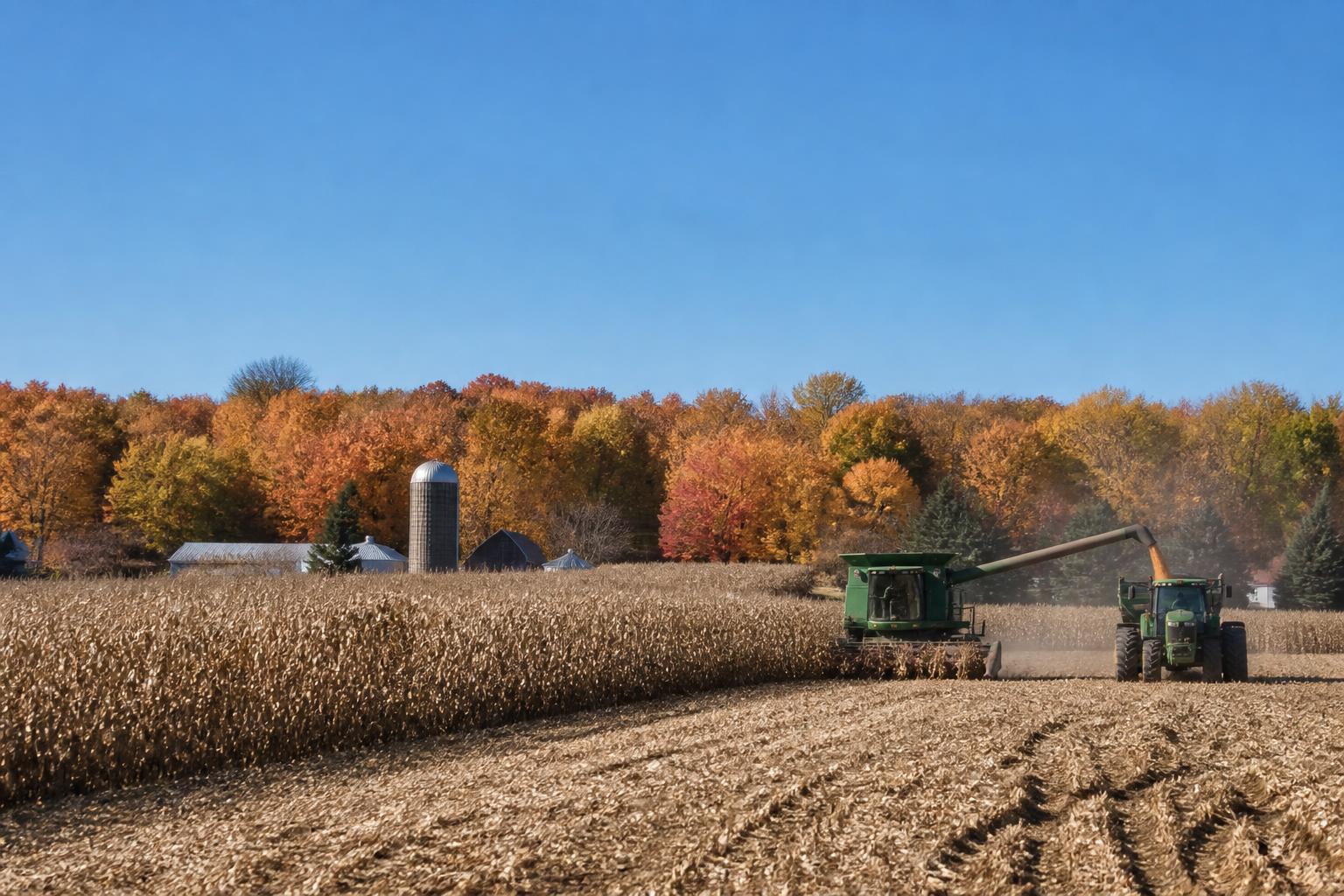
As Kansas producers move closer to the heart of the fall harvest season, the focus on supply chain resilience has intensified. Recent industrial developments in the state suggest a concerted effort to expand domestic capacity for grain storage, a critical component for managing regional inventory as throughput increases across our elevator network.
Investment in local manufacturing of grain bins helps to shorten the logistical tail between production and storage. By bolstering the regional supply of bins, Kansas agribusinesses are better positioned to mitigate temporary bottlenecks that often occur when bumper crops hit the intake facilities simultaneously. This infrastructure strengthening is a vital step for elevators aiming to maintain steady handling speeds throughout the busy months ahead.
Aligning Storage with Regional Demand
For many operations, the ability to store grain on-site or at local, modernized facilities provides essential flexibility. When transportation networks face seasonal congestion, having expanded bin capacity allows producers and grain handlers to manage flow more effectively. This shift toward localized production of storage assets may assist in lowering the overhead associated with importing equipment from distant manufacturing hubs.
As we navigate the demands of this fall, keeping a pulse on Kansas grain logistics and transit constraints remains paramount for maintaining farm-gate profitability. The integration of more robust storage solutions into the local landscape acts as a buffer against the high-pressure environment of peak delivery windows.
What it means for the market
The expansion of bin manufacturing capacity in Kansas provides a tangible benefit to the agricultural supply chain by reducing reliance on external production timelines. For farmers and elevator managers, this means more accessible options to upgrade or expand storage footprints, which is essential for preserving grain quality and optimizing marketing timing. As infrastructure matures, the ability to pivot during high-volume harvest cycles will likely become a competitive advantage for operators across the Sunflower State.
Comments
No comments yet - be the first to share your take.