
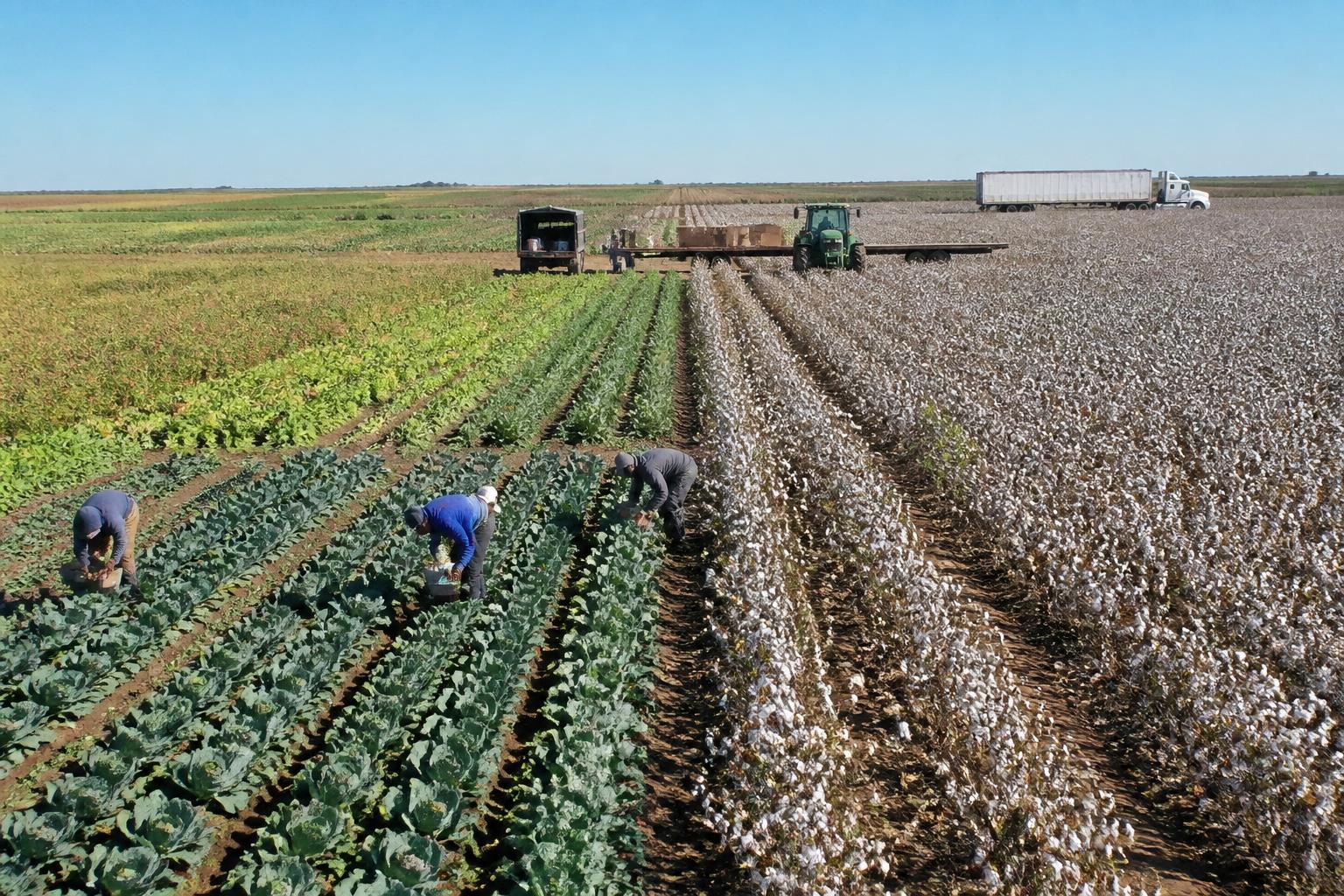
Texas farmers and ranchers are currently balancing a unique set of operational challenges as the fall season takes hold across the state. From the high plains to the coastal regions, the agricultural sector is working through a period of economic recalibration, characterized by heightened pressure on profit margins and an increasing need for operational resilience.
For many across the state, navigating persistent input cost pressures remains a primary concern. Producers are closely monitoring the economic landscape as industry stakeholders and policymakers look into the factors driving costs, particularly in essential inputs like fertilizers. These financial constraints are forcing many operations to adopt more conservative management strategies, often re-evaluating supply needs to maintain solvency amidst market uncertainty.
Operational Adaptation in a Volatile Climate
Beyond the spreadsheets, field-level management is becoming increasingly complex. In various regions, producers are finding that historical production norms are shifting due to evolving operational pressures. Whether it is experimenting with new crop varieties or adjusting planting schedules to better align with changing moisture patterns, the drive for innovation remains a hallmark of the Texas producer. This flexibility is critical as the industry faces external threats, including recent concerns regarding livestock health and the broader impacts of weather volatility on regional crop yields.
Market Outlook and Long-Term Stability
The broader agricultural economy in Texas is also feeling the effects of structural changes. As the number of farms continues to shift, consolidation remains a significant factor influencing how producers interact with supply chains and local service providers. For those involved in the grain market, keeping a close eye on local storage capacity and logistical bottlenecks is essential for maintaining liquidity. These factors, combined with the need to optimize resource use, are defining the operational agenda for the remainder of the year.
What it means for the market
For agribusinesses and carriers, the current environment suggests a heightened demand for cost-effective logistical solutions and precision input management. Producers who focus on resilient planning and risk mitigation are likely to find themselves better positioned to weather the fluctuations in commodity and input pricing as the sector moves toward the end of the year.
Comments
No comments yet - be the first to share your take.