
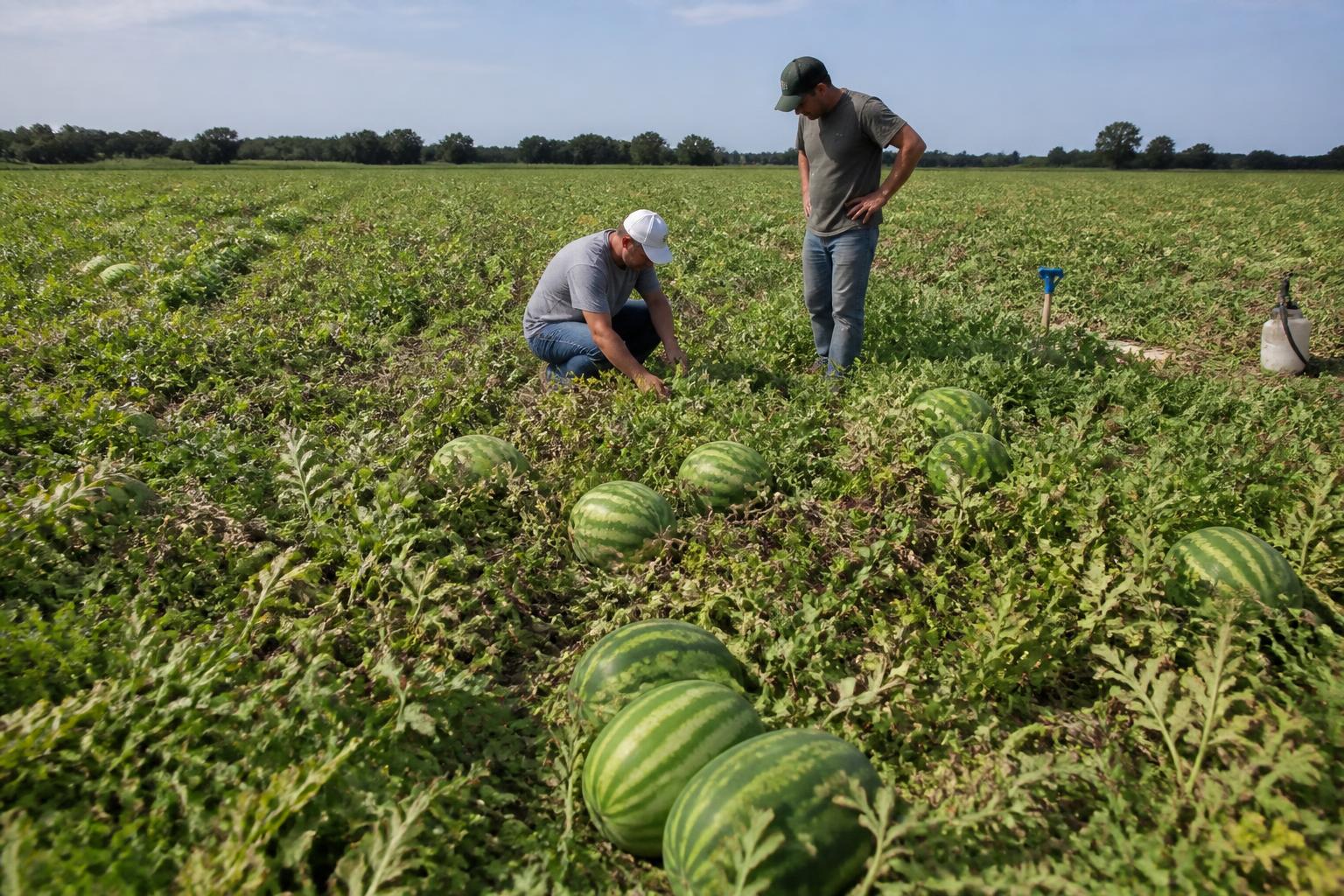
As Florida enters the fall growing season, agricultural producers are managing a heightened array of crop protection concerns. From the Panhandle to the southern reaches of the state, managing persistent threats remains a priority for ensuring stable yields. Growers are observing increased pressure from specific pathogens, such as gummy stem blight in watermelon crops, which requires diligent scouting and timely intervention.
Beyond biological threats, regional producers are balancing these field-level challenges with broader economic pressures. Fluctuations in the cost of essential inputs, such as fertilizers and diesel, continue to influence management decisions across the state, prompting many to look for more efficient resilience strategies. These logistical and economic hurdles underscore the need for precise application and the adoption of modern crop protection tools.
Navigating Input Volatility and Emerging Pests
The arrival of new regulatory and product developments, such as recent state registrations for novel crop protection agents, offers potential new avenues for integrated pest management. Keeping a close eye on these options can provide critical flexibility when addressing emerging pests like the bollworm. As farm centers transition ownership and research continues into sustainable practices, Florida growers remain at the forefront of adapting to both environmental and market-driven shifts.
Key Takeaways for Producers
- Scouting remains critical: Increased reports of fungal pathogens necessitate frequent field monitoring.
- Monitor input costs: Stay updated on regional fertilizer and fuel pricing, as global geopolitical events continue to ripple through the agricultural supply chain.
- Evaluate new tools: Emerging registrations for innovative protection products may provide a necessary advantage against resistant pest populations this season.
What it means for the market: The current environment demands that producers prioritize operational efficiency and risk mitigation. By integrating advanced pest management technologies with careful budgeting for inputs, Florida agribusinesses can better navigate the volatility inherent in this year's fall cycle.
Comments
No comments yet - be the first to share your take.