
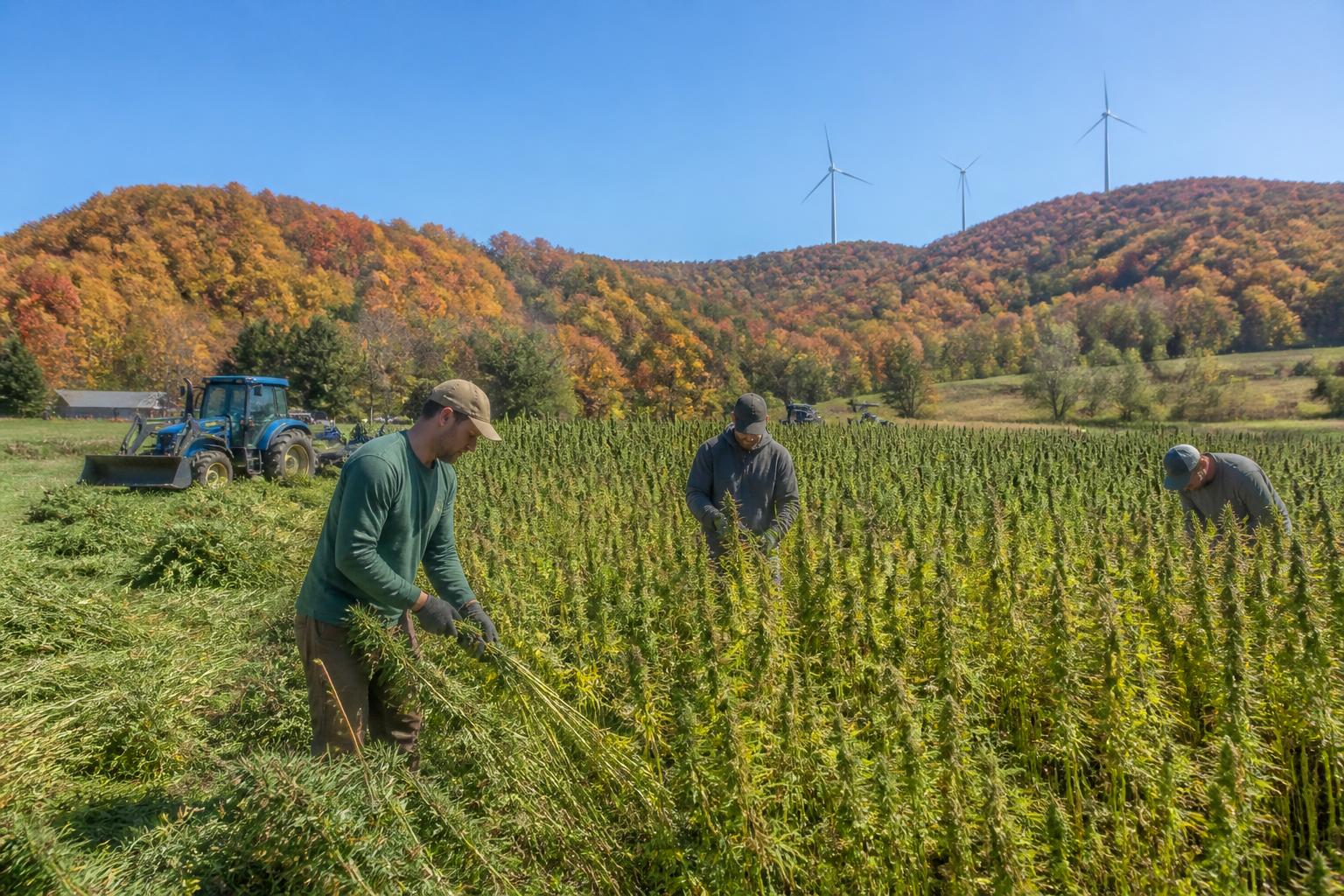
As West Virginia enters the fall harvest season, producers across the state are grappling with a complex landscape of operational costs and market volatility. While local fields show progress, the broader agricultural economy is under increasing strain, with reports of rising farm bankruptcies surfacing nationwide. For many producers in the state, managing liquidity is becoming just as critical as the physical harvest itself.
The current economic environment highlights the importance of maintaining robust financial and operational agility. Costs related to energy and transport often ripple through the local supply chain, impacting everything from grain drying to fuel expenses for machinery operating in the hilly terrain of the Mountain State.
Managing Input and Operational Costs
Agribusinesses in West Virginia are continuing to seek efficiencies to offset these mounting pressures. Partnerships with agricultural technology and input providers, such as those seen between state departments and major chemical firms, are increasingly focused on improving crop resilience and yield potential. These collaborations often aim to mitigate the impact of external price shocks, which can be particularly disruptive for smaller, independent operations in regions like the Eastern Panhandle.
Innovation as a Buffer
Beyond traditional crop management, there is ongoing interest in how emerging technology can support long-term sustainability. Research into insect-inspired robotics and other advancements at the university level may eventually offer new ways to tackle labor and efficiency hurdles. While these technologies remain in development, their potential role in future farm operations represents a shift toward more modernized, data-driven approaches to managing the physical and financial risks inherent in today's agricultural climate.
What it means for the market
For West Virginia farmers and input buyers, the priority for the coming months is clear: preserving margins in a high-cost environment. With financial pressures building across U.S. agriculture, operators should prioritize reviewing their debt servicing capabilities and supply chain commitments. Successfully navigating this season will likely depend on a conservative approach to capital expenditures and a focus on stabilizing operating costs before the winter cycle sets in.
Comments
No comments yet - be the first to share your take.