
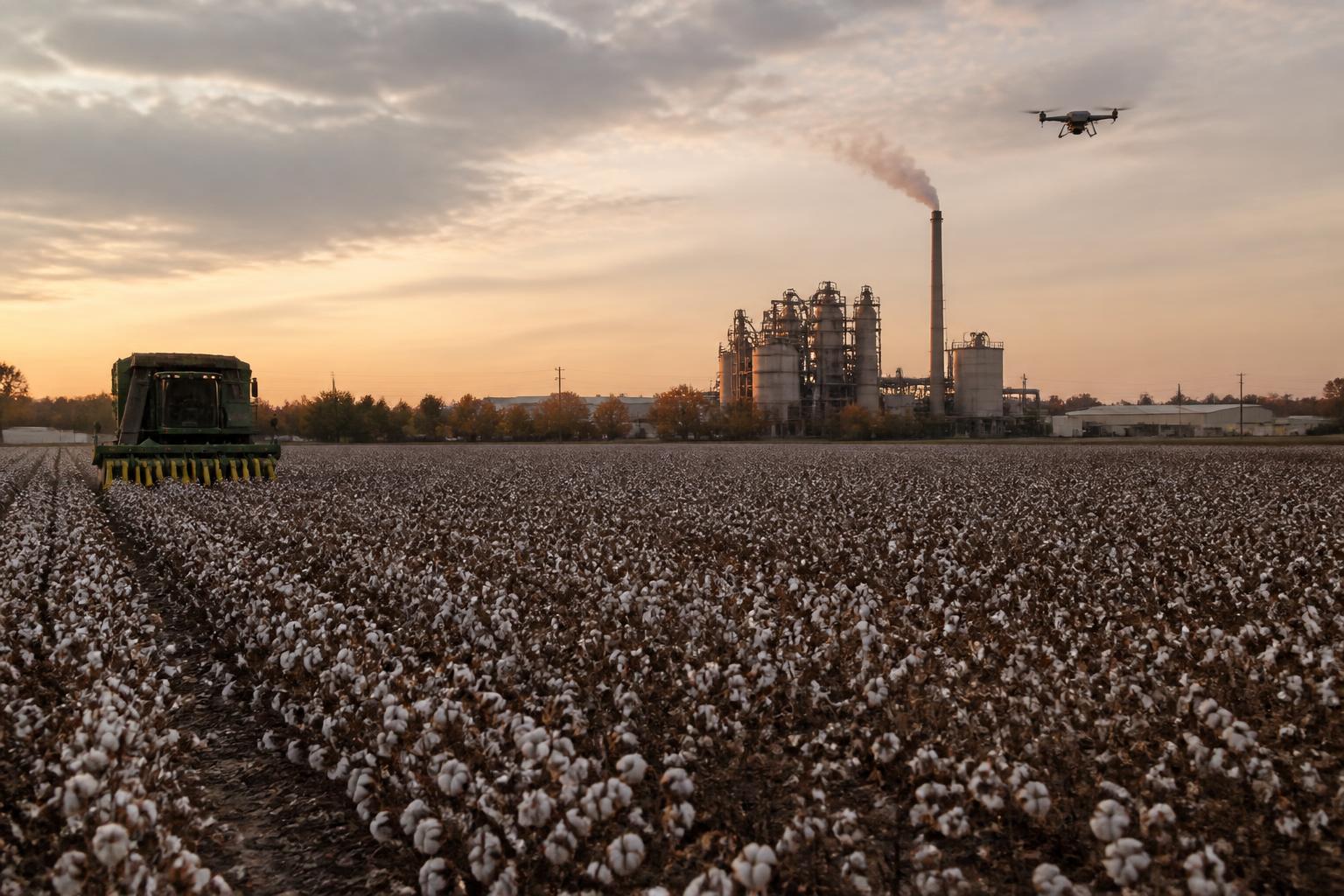
As the fall harvest gains momentum across Idaho, the agricultural community remains focused on balancing operational costs with the need for infrastructure resilience. From the high-yield fields in the Treasure Valley to the expansive operations in the Magic Valley, producers are navigating a shifting landscape defined by both traditional crop demands and emerging logistical requirements.
Producers managing the complexities of harvest-time logistics are increasingly looking toward technological solutions to mitigate risks. Recent developments in precision agriculture, including the integration of drone monitoring for crop damage, reflect a broader trend of leveraging data to protect yields throughout the autumn months.
Advancements in Processing and Production
Investment in the supply chain remains a critical theme. New processing facilities, such as the upcoming beef plant operations, highlight the state's drive to vertically integrate more of its agricultural output. This, combined with ongoing research into AI-driven safety and production efficiencies at processing plants, underscores a commitment to modernization that extends beyond the field.
However, these advancements occur against a backdrop of persistent challenges. Input costs, particularly for labor and technical equipment, continue to be top-of-mind for dairy operators and vegetable growers alike. Maintaining a stable labor force and managing regional production costs are key factors in ensuring that Idaho products remain competitive on both the national and international stage.
Operational Resilience in the Field
With the current season in full swing, local infrastructure is being put to the test. Efficient transport corridors and reliable storage facilities are essential for moving products from the farm gate to market. The emphasis on maintaining robust logistics networks is vital as producers coordinate the movement of goods during this high-activity window.
What it means for the market: For Idaho agribusinesses, the intersection of new processing capacity and refined management strategies offers a path to greater stability. While external market pressures remain, the combination of proactive infrastructure investment and tech-forward monitoring allows for a more responsive and resilient approach to the demands of the fall season.
Comments
No comments yet - be the first to share your take.