
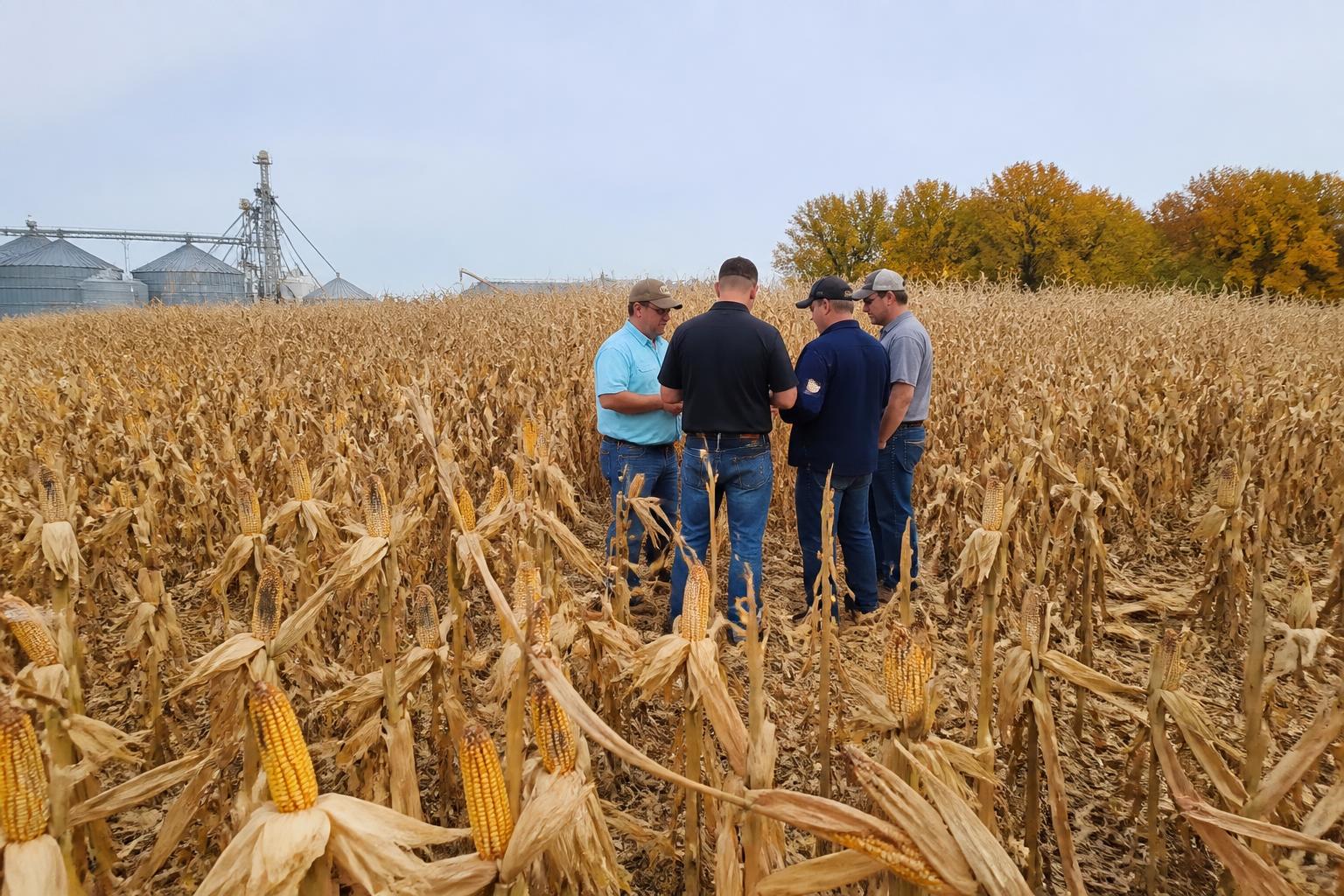
For North Carolina farmers and grain handlers, the transition into the height of the fall season brings a familiar set of logistical demands. As harvest activity accelerates, the state's rural road network remains the primary artery for moving grain from fields to regional elevators and, eventually, toward coastal transport hubs. Operators are currently balancing these seasonal flows with increased oversight regarding labor compliance and land usage, as both state and federal agencies step up enforcement of industry standards.
Regulatory Compliance and Labor Oversight
Recent enforcement actions have highlighted the critical importance of strict adherence to H-2A program requirements within the state. With labor availability remaining a top concern for many growers, the coordination of seasonal workforce needs continues to be a high-stakes operational necessity. Agribusinesses are encouraged to prioritize transparent documentation and maintain standard-compliant housing for guest workers to avoid the severe penalties, including debarment and significant fines, that have impacted contractors in parts of North Carolina recently.
Infrastructure and Resource Management
Beyond labor, land preservation and the long-term sustainability of regional operations remain top-of-mind. State-level initiatives, such as the recent grant allocations in Henderson County, reflect a broader push to keep farmland productive amid rising operational pressures. These efforts are often aimed at helping the local agricultural sector maintain its footprint against economic headwinds. When managing seasonal inputs, growers may also consider how local soil conditions, which vary significantly across the state, influence fertility strategies as winter weather approaches later this year.
Logistics in the Field
Logistics in North Carolina are rarely static, especially when fuel costs remain a volatile variable. Operators working across the state's varying topography should remain vigilant regarding road resilience and regional transit risks during peak delivery windows. Maintaining consistent communication with local grain elevators is essential for smoothing out the delivery process during the busiest weeks of the season, helping to reduce wait times and potential bottlenecks on secondary roads.
What it means for the market
For the North Carolina agribusiness sector, the current environment demands a dual focus on operational efficiency and regulatory discipline. Those who proactively address labor management and optimize their local transport routes stand to mitigate the most common disruptions. While market conditions and external pressures like fuel costs and drought effects present challenges, staying ahead of administrative requirements and logistical coordination will be the key to navigating the remainder of the harvest season successfully.
Comments
No comments yet - be the first to share your take.