
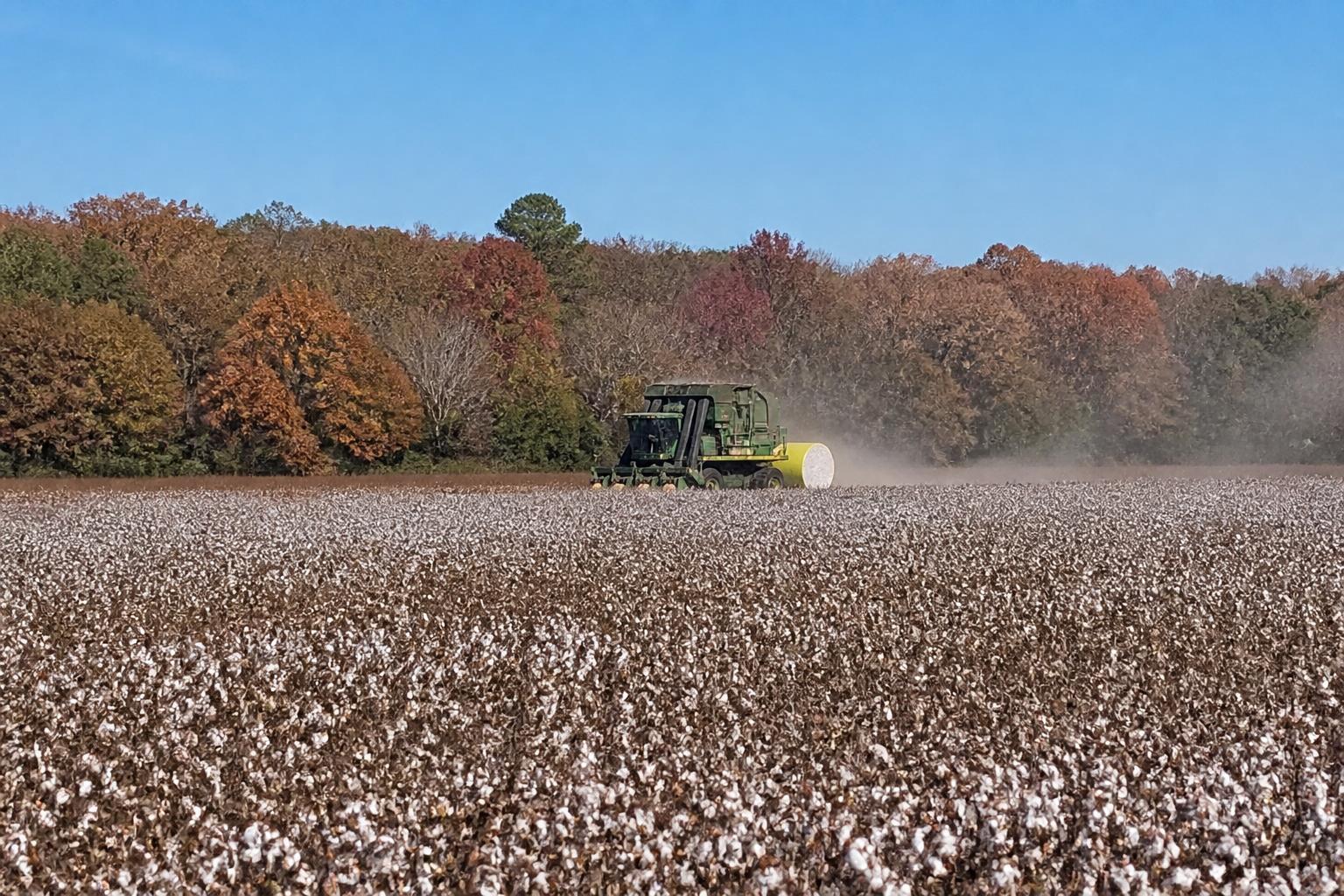
As the fall season brings harvest activity to the forefront across Virginia, stakeholders in the agricultural supply chain are turning their attention toward the logistical efficiency of our regional networks. Maintaining a fluid movement of commodities from the field to storage and processing centers remains a top priority for agribusinesses and producers throughout the Commonwealth.
With ongoing developments in key transit hubs, such as the strengthening of Virginia's supply chain infrastructure, there is a renewed emphasis on how local storage and logistics centers can mitigate seasonal bottlenecks. For many farmers, understanding the current capacity of transit nodes is critical to ensuring that timely delivery does not succumb to regional congestion.
Navigating Local Logistics and Transit
Producers are often reminded to evaluate their local routes and storage options early in the harvest window. Whether operating in the Tidewater region or throughout the Shenandoah Valley, coordinating with local grain handlers and trucking services early can help navigate the pressure periods typical of the autumn peak. Staying informed on how to optimize Virginia ag-logistics as volume increases is essential for maintaining harvest momentum and preventing equipment or transport downtime.
Efficient handling is not just about the final mile but also about the integrity of the data and management systems connecting our farms to broader markets. In some regions, the integration of technology in plant science and food supply systems has demonstrated the value of precision in managing agricultural output from harvest through distribution.
Strategic Planning for Fall Throughput
Infrastructure readiness, particularly in high-volume corridors, is a recurring theme for agricultural managers. By staying ahead of standard seasonal shifts, producers can better position themselves to avoid the uncertainties that occasionally impact regional transit and storage. For those looking to refine their approach to regional transport, focusing on navigating logistics during periods of high activity remains a staple strategy for maximizing yield profitability.
What it means for the market
For Virginia farmers and agribusiness owners, the current environment underscores the necessity of proactive logistical planning. As infrastructure projects continue to evolve in key commercial areas, those who align their harvest schedules with available regional capacity and communicate frequently with their logistics partners will likely be best positioned to navigate the fall season effectively. Maintaining agility in transport and storage decisions serves as a critical buffer against the inherent fluctuations of the agricultural market.
Comments
No comments yet - be the first to share your take.