
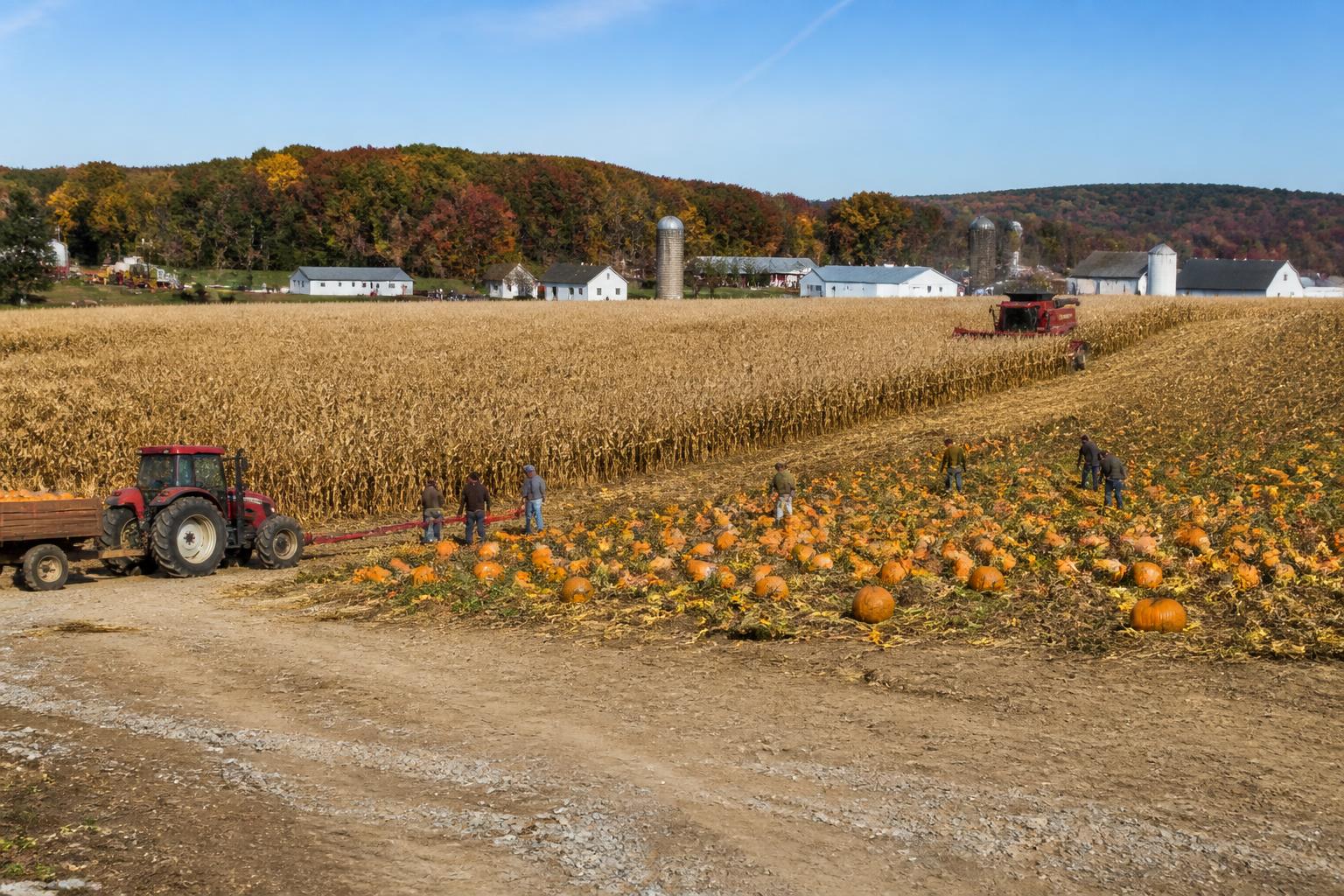
As Alaska agriculture transitions into the height of the fall harvest, producers across the state are navigating the typical logistical pressures of the season. In regions like the Matanuska-Susitna Valley and parts of the Kenai Peninsula, farmers are prioritizing field management and storage integrity as daylight hours shorten and temperatures begin their steady decline. Protecting agricultural assets remains a primary focus, ensuring that efforts made during the growing season culminate in successful market delivery.
Adapting to Seasonal Production Demands
For many Alaskan producers, the current environment necessitates a dual approach: optimizing current harvest workflows while keeping an eye on long-term infrastructure resilience. Implementing strategic land stewardship and focusing on soil and water health is often essential to maintaining high productivity. Farmers who are protecting Alaska's agricultural productivity amidst seasonal shifts are finding that small operational adjustments—such as timing equipment maintenance to avoid downtime during critical weather windows—can yield significant improvements in net output.
Building Operational Stability
Logistics in a state with diverse geography and challenging terrain can be demanding. Building robust supply chain resilience remains a central concern for growers seeking to reach consumers in hubs like Anchorage and beyond. Many operations are increasingly looking at ways to diversify, such as integrating advanced storage solutions or improving local distribution channels to better manage the volatility of the shoulder seasons. Those interested in further securing their operations can review strategies for protecting Alaska's agricultural assets, particularly as the frost deadline approaches in northern regions.
What it means for the market
Market participation for Alaskan growers in the coming weeks will likely hinge on the successful mitigation of environmental risks. As supply chains tighten, the focus remains on keeping high-quality produce moving efficiently from the field to local retailers. Producers who maintain strict harvest schedules and leverage site-specific stewardship will be better positioned to navigate the market constraints typical of the late-season transition, ultimately supporting the viability of the state's expanding agricultural sector.
Comments
No comments yet - be the first to share your take.