
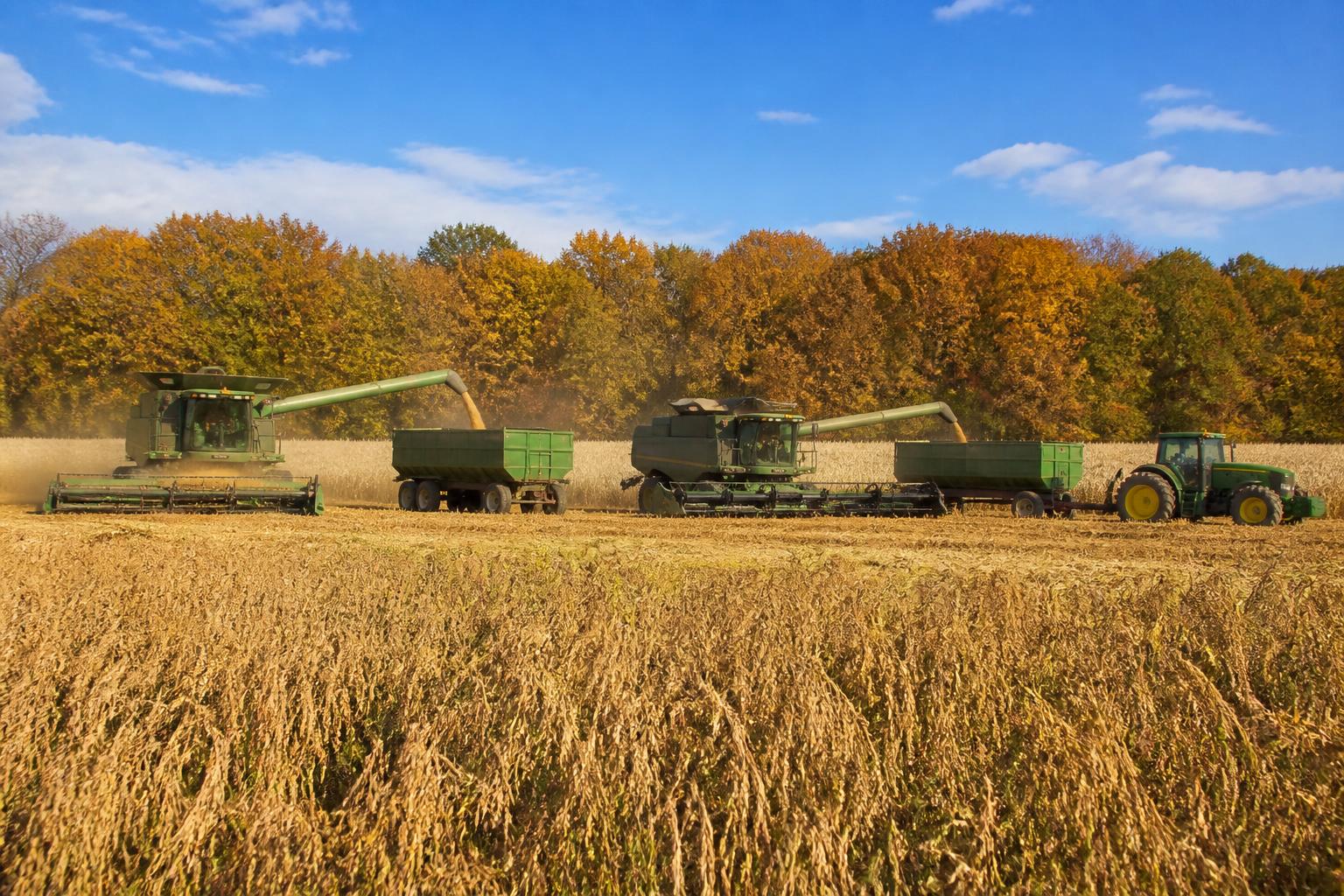
As the fall harvest gains momentum across Arkansas, producers are balancing the physical demands of bringing in this season's crops with a cautious eye on shifting economic conditions. While field operations move forward in major production regions, market participants are increasingly focused on the intersection of rising production expenses and the overall outlook for the state's agricultural portfolio.
For grain handlers and farm managers, the current environment necessitates a disciplined approach to asset management. Recent reports indicate that the financial pressures impacting major row crops are broad-based, potentially influencing long-term land-use decisions as growers navigate thin margins. The challenge of maintaining input efficiency remains a top priority, particularly as farmers look to mitigate risks before the next production cycle begins.
Managing Input Costs in a Volatile Market
The input sector remains a focal point for those managing operations across the Arkansas Delta and River Valley. With fertilizer and crop protection costs exerting sustained pressure on balance sheets, many are revisiting their strategic input management protocols. These adjustments are critical, as small shifts in overhead can significantly impact the bottom line in a season defined by tighter commodity price support.
Regional Operational Insights
Logistics and processing facilities are also paying close attention to quality metrics, which remain essential for maintaining competitive market access. As research continues to highlight the evolution of milling rates and grain quality, elevators are working closely with growers to ensure that moisture and storage management meet industry standards. Maintaining this quality is vital for producers aiming to preserve value in a market where external pressures remain elevated.
Ultimately, the resilience of the Arkansas agricultural community is being tested by this combination of weather-driven harvest timing and broader financial constraints. For those on the ground, the focus must remain on precision at every stage of the supply chain, from the field to the point of sale.
What it means for the market
Producers and agribusinesses should prepare for continued fiscal scrutiny throughout the remainder of the harvest season. While balancing late-season protection needs against tight cash flows is difficult, prioritize liquidity and evaluate input requirements early to hedge against future uncertainty. Monitoring regional milling trends and grain quality reports will be essential for those looking to secure the best possible premiums in an otherwise challenging economic landscape.
Comments
No comments yet - be the first to share your take.