
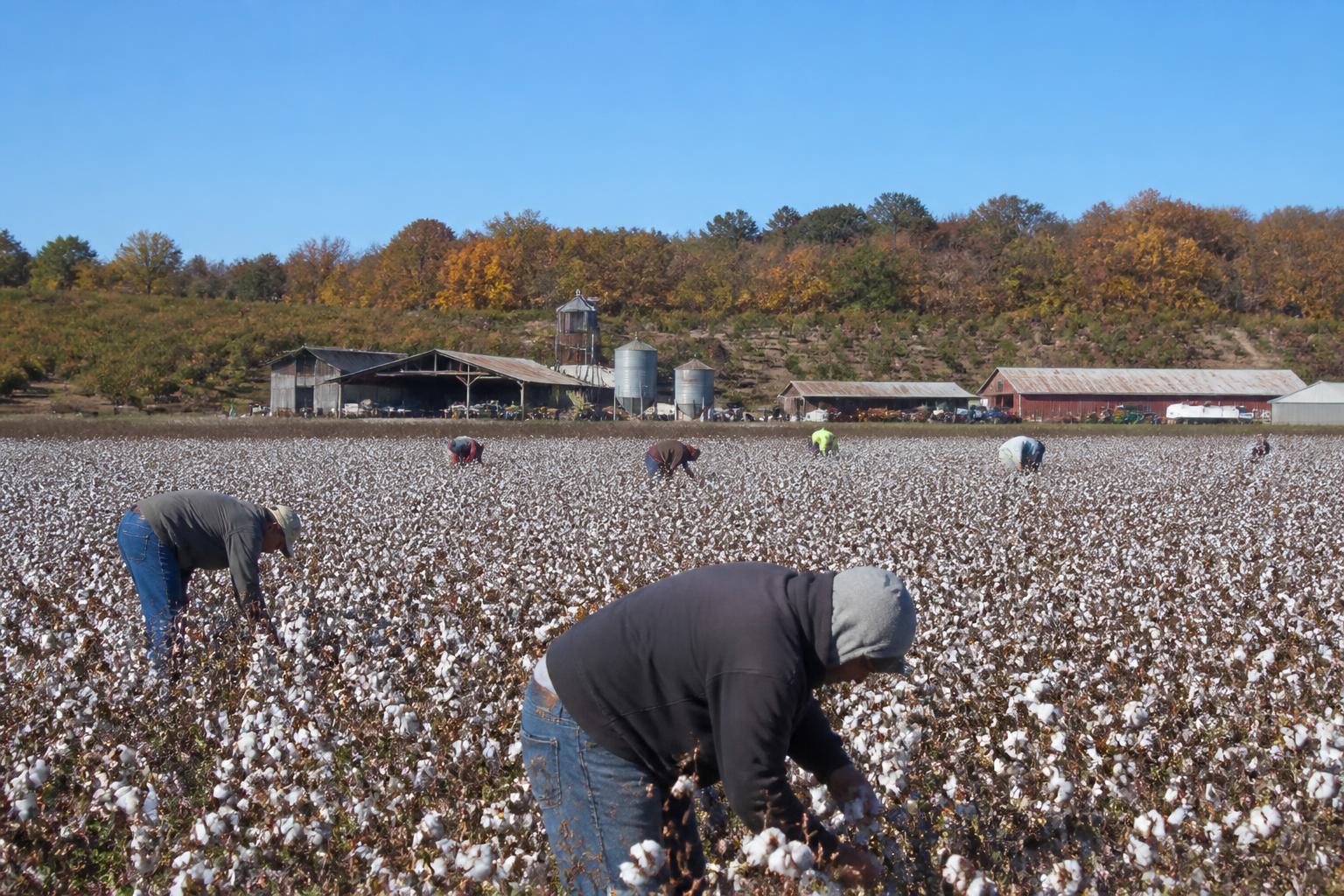
The arrival of September brings a shift in the operational rhythm for California agriculture. As producers across the San Joaquin Valley and beyond push through critical harvest windows, the interplay between regional regulatory shifts and logistical capacity remains a top concern for local agribusinesses.
Maintaining smooth harvest flow is increasingly complex given current sanitary requirements. With ongoing fruit fly quarantines expanding across parts of the state, growers are navigating stringent movement restrictions that can complicate standard transport schedules. For those moving perishables from field to cooling facilities, ensuring compliance while avoiding delays has become an essential part of the daily operational plan.
Export Dynamics and Port Throughput
The movement of commodities through the Port of Oakland remains a focal point for the export sector. As efforts continue to streamline agricultural container flows, producers are watching closely for any relief in terminal dwell times. Consistent communication with freight forwarders and local drayage providers is often cited as a key strategy to mitigate the risk of missed sailing windows as seasonal volumes reach their highest levels.
Land Use and Production Shifts
Beyond the immediate logistics of the current harvest, the industry is closely monitoring long-term shifts in land availability. Proposals to repurpose acreage for non-agricultural development, even on lands historically tied to institutional or research use, underscore the ongoing tension between urbanization and the preservation of prime agricultural ground in regions like the Central Coast and the interior valleys. These pressures, combined with the rising interest in efficiency-focused inputs such as potassium humate, reflect a broader industry push to maximize output on existing, high-value acreage.
What it means for the market: Producers and handlers should anticipate continued logistical volatility throughout the fall. Staying ahead of regulatory updates regarding pest quarantines and maintaining flexible logistics partnerships will be vital for protecting margins during this high-stakes harvest period.
Comments
No comments yet - be the first to share your take.