
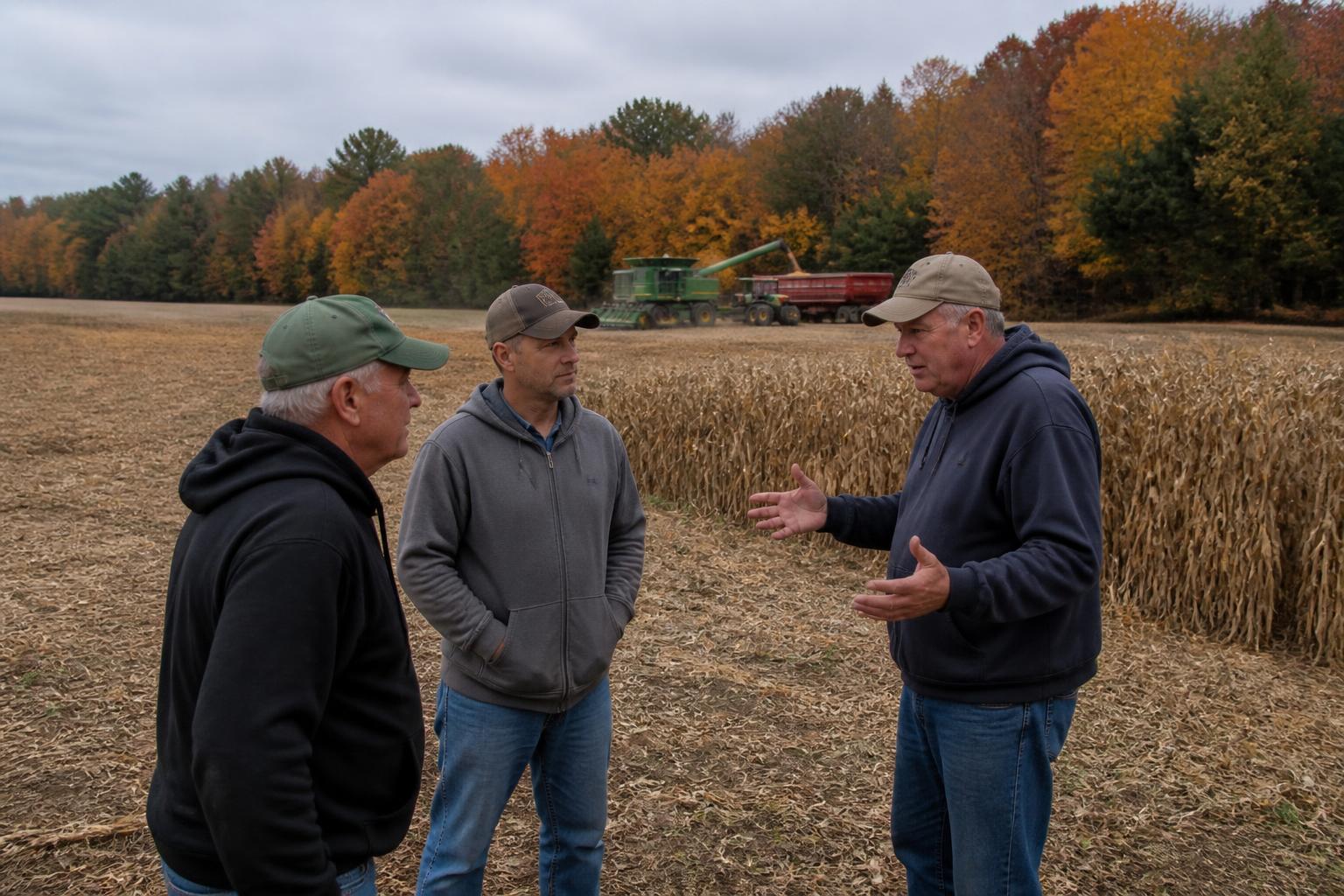
Georgia producers are intensifying field monitoring efforts as the first cases of tar spot have been officially confirmed in the state for the 2026 season. While this fungal disease is often more common in the Midwest, its arrival in local fields serves as a critical reminder for growers to maintain rigorous scouting schedules as the harvest window approaches.
Managing Field Risks and Pathogen Spread
The presence of this pathogen in local crops may impact yield potential if left unaddressed. Experts typically advise producers to work closely with local extension services to identify early symptoms, which often appear as small, raised black spots on the leaves. Vigilance during the remainder of the fall period is essential, as environmental conditions can frequently influence the speed and severity of disease progression.
As farmers assess their current crop health, managing input costs and fertilizer logistics remains a primary concern during this potentially volatile time. Integrating disease management with standard harvest preparations can help protect the bottom line against unexpected production losses.
Operational Logistics and Future Planning
Beyond immediate disease control, the agricultural sector in Georgia continues to evolve with new infrastructure projects, such as the recent opening of specialized logistics sites and sustainable fuel facilities across the state. These developments reflect a broader trend of shifting supply chains, which may eventually offer more efficient transport options for farmers looking to move their grain and specialty crops to processors more reliably.
What it means for the market: The arrival of tar spot adds a layer of operational complexity for Georgia farmers this fall. Producers who prioritize timely scouting and clear communication with their local grain elevators and logistics partners will be better positioned to mitigate quality concerns and handle any necessary shifts in their harvest logistics as the season concludes.
Comments
No comments yet - be the first to share your take.