
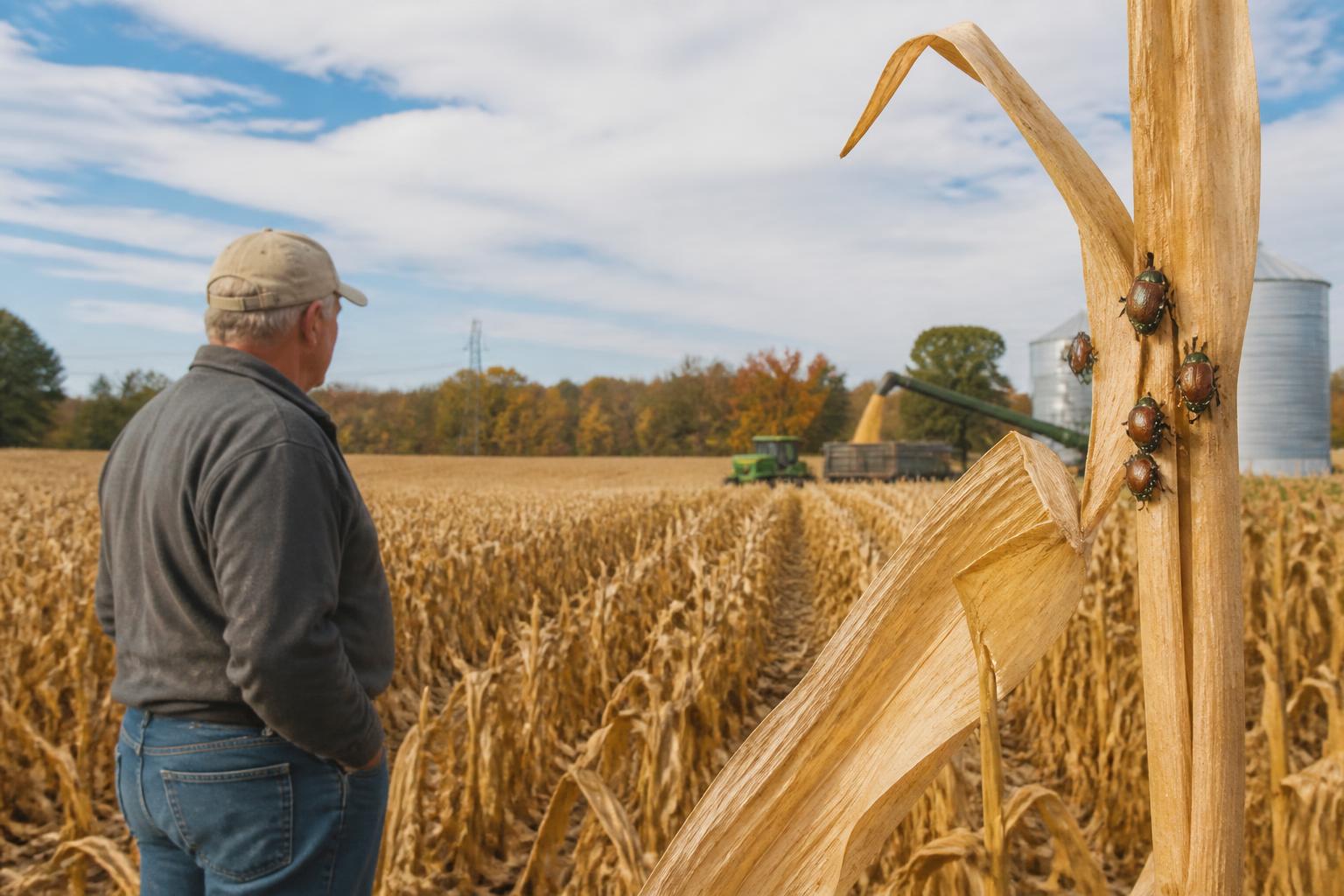
As harvest activities accelerate across Iowa, farmers are balancing a mix of persistent logistical challenges and a cautious optimism. Producers in regions ranging from the fertile plains of central Iowa to the rolling hills of the southeast are navigating the complexities of a season marked by early weather-related delays and the ongoing need for precise management of crop health and late-season inputs. While the focus remains squarely on bringing in the crop, the agricultural community continues to monitor regional infrastructure developments that may influence future operational costs.
Managing Ongoing Crop Protection Challenges
Beyond the immediate demands of the harvest, producers are remaining vigilant regarding emerging field threats. With the arrival of cooler weather in some parts of the state, managing late-season pest activity is essential to protecting yield potential. Field observers note that monitoring for common pests, such as the Japanese beetle, remains a key task even as the season matures. Effective protection strategies and proactive scouting are vital to preventing quality losses during these critical final weeks before full-scale field operations conclude.
Logistics and Economic Resilience
The conversation among agribusinesses and grain handlers often shifts to the broader economic environment. While land values have shown stability in recent reporting, the volatility of input costs and the potential for new industrial developments, such as the proposed fertilizer facilities in southeastern Iowa, keep producers focused on long-term capital management. Maintaining efficiency at the elevator and on the road remains a top priority, as logistics and seasonal transport volume typically dictate the pace of movement for the incoming crop.
What it means for the market
For Iowa producers and stakeholders, the current market environment necessitates a disciplined approach. Balancing the immediate, time-sensitive demands of harvest with long-term input and protection planning is key to mitigating risk. As the season progresses, focusing on reliable logistics and maintaining a close watch on field conditions will be the primary factors for those aiming to optimize returns in an evolving agricultural economy.
Comments
No comments yet - be the first to share your take.