
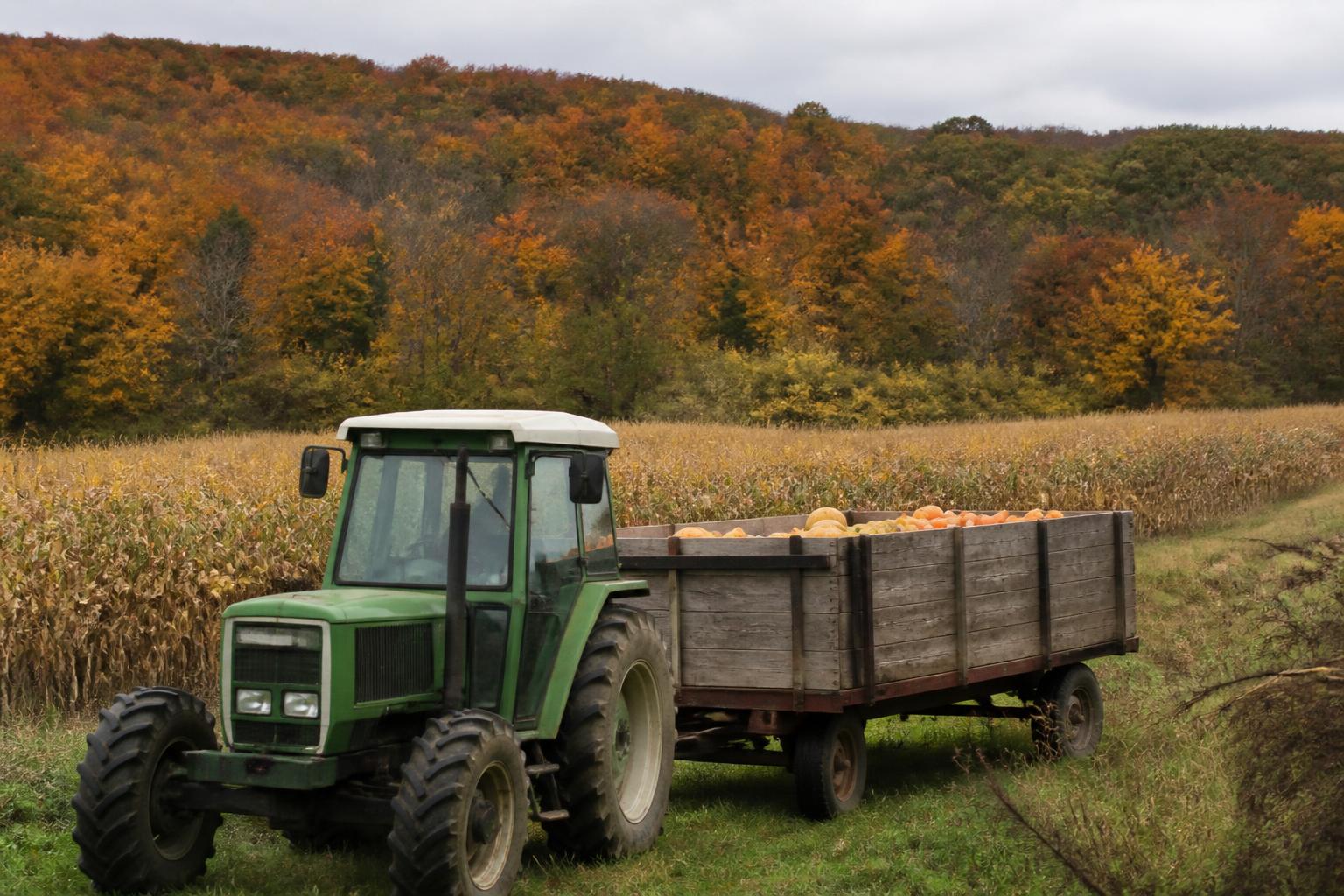
As Vermont farmers enter the core of the fall season, the agricultural landscape remains defined by a complex intersection of market volatility and regulatory adaptation. Producers across the state are carefully monitoring global supply chain signals, particularly as external pressures continue to influence the cost of essential inputs like fertilizer and fuel. For local operations, managing these overheads is becoming increasingly vital to maintaining margins while transitioning into late-season harvest activities.
Operational resilience is currently being tested by more than just market pricing. The regulatory environment in Vermont is also seeing meaningful shifts, particularly regarding new pesticide recommendations and evolving land-use policies. Farmers are tasked with balancing productivity with compliance, often looking toward more efficient resource management to ensure long-term viability in regions known for sensitive watershed management and diverse crop production.
Strategic Shifts in Production and Logistics
The push for sustainable practices continues to reshape how regional operations handle logistics and field management. With ongoing supply chain volatility, many growers are reassessing their reliance on traditional input streams. Adopting integrated pest management or optimizing tillage practices is often cited as a practical approach for those looking to offset rising input costs while remaining responsive to environmental standards that protect the state's natural resources.
Beyond field-level adjustments, logistics remain a critical bottleneck. Whether moving product through central corridors or coordinating with local food hubs, maintaining reliable transport access is essential during the high-traffic harvest months. Growers who have diversified their market access points often find themselves better insulated against local distribution disruptions, ensuring that seasonal crops reach consumers or processors without unnecessary delays.
What it means for the market
For Vermont agribusinesses, this fall signals a period of calculated risk management. As fuel and fertilizer prices remain sensitive to international developments, the premium on operational efficiency has never been higher. By prioritizing long-term soil health and exploring innovative logistics strategies, producers can better position themselves to withstand the compounding pressures of rising production costs and stringent regulatory oversight. Success in the coming months will likely hinge on the ability to leverage existing local infrastructure while remaining agile enough to pivot in response to shifting national policies.
Comments
No comments yet - be the first to share your take.