
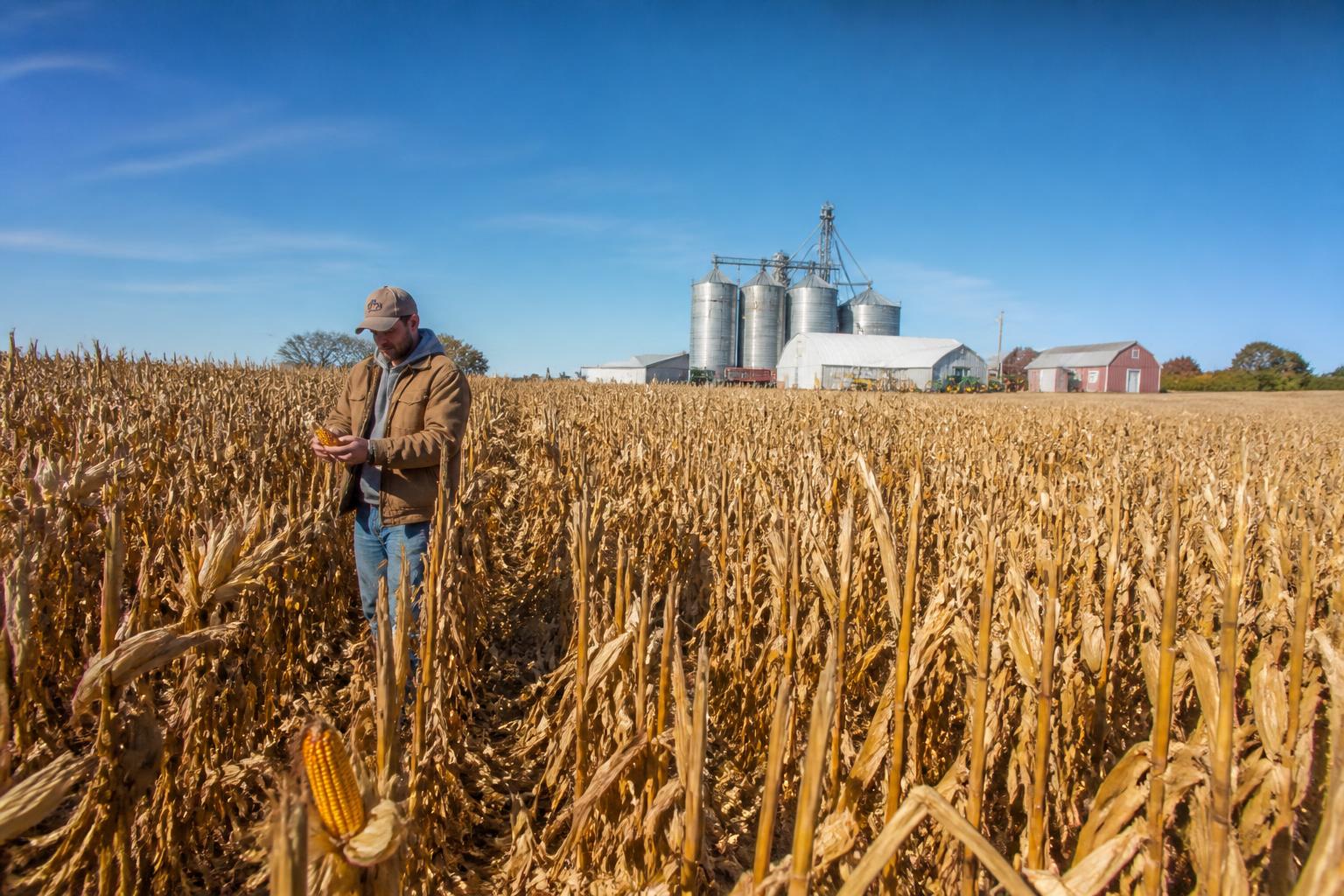
As Utah producers transition into the fall season, the agricultural landscape remains focused on balancing operational efficiency against broader economic headwinds. For many local operators, particularly those managing grain and forage production in the Bear River Valley, the primary challenge remains the cost and availability of critical inputs. Market discussions continue to center on how rising fertilizer expenses impact bottom lines, a concern that echoes national trends where many farmers are navigating limited budgetary flexibility.
Managing Input Challenges
The reliance on essential soil amendments, such as potassium chloride, remains a focal point for regional soil health. While Utah is home to significant industrial resources like the potash ponds near Moab, the broader fertilizer market is often subject to global supply chain volatility. Producers are increasingly looking toward cooperative models to buffer against these market shocks. These cooperatives provide a critical layer of support, helping to streamline procurement and stabilize costs during times of uncertainty.
Innovation in the Field
Despite the operational hurdles, the push for agricultural innovation remains strong across the state. Farmers are keeping a close watch on advancements in precision input application and yield-enhancing technologies. As the industry evolves, the integration of smarter tools can help mitigate some of the financial strain caused by input price fluctuations. Maintaining a focus on regional market resilience, many local agribusinesses are prioritizing long-term soil sustainability and efficient resource management as key strategies for the upcoming year.
What it means for the market
For Utah farmers and grain handlers, the current environment demands a proactive approach to procurement and risk management. As we move deeper into the fall harvest period, staying aligned with cooperative networks and monitoring both regional and national input trends will be vital to protecting margins. While market volatility remains a constant factor, focus on local operational strengths continues to provide a buffer against larger systemic challenges.
Comments
No comments yet - be the first to share your take.