
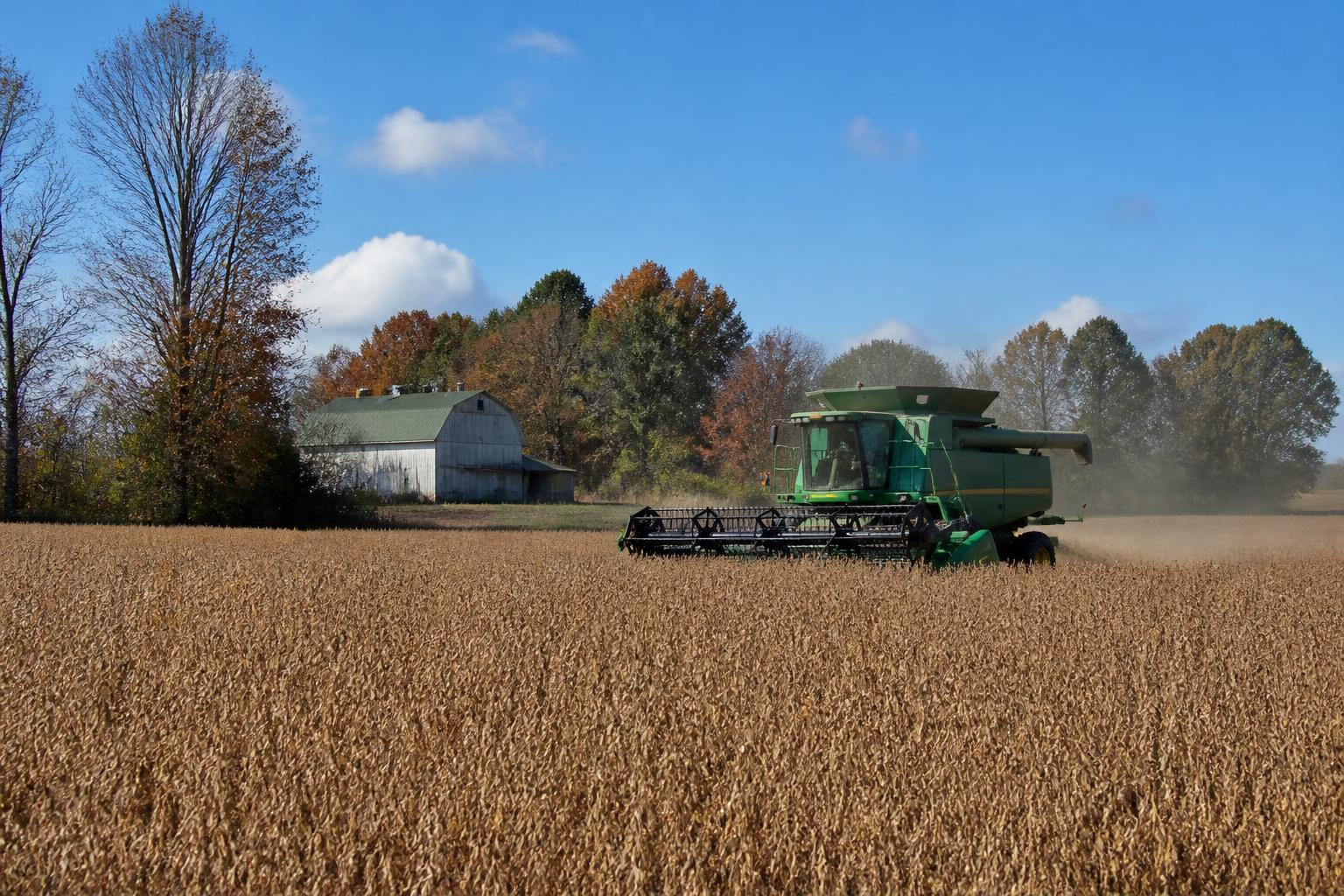
As the fall season settles over Connecticut, agricultural land management remains a top priority for growers and industry stakeholders alike. Recent initiatives, including the permanent protection of over 100 acres at Oakridge Dairy in Ellington, highlight the ongoing commitment to keeping productive soils in the hands of farmers. For agribusinesses and producers, these efforts are essential to ensuring that the state’s agricultural footprint remains resilient against development pressures.
Navigating Regulatory and Environmental Hurdles
Managing a farm in Connecticut often requires navigating a complex web of environmental regulations and shifting operational standards. As producers look to optimize their acreage, understanding local land use policies is critical to avoiding costly delays or enforcement actions. Whether dealing with wetland protections or broader logistics and infrastructure shifts, farmers are finding that proactive engagement with state agencies can help prevent compliance issues before they arise.
Beyond land use, the state’s agricultural community continues to contend with the aftermath of recent severe weather, with significant relief funds directed toward assisting impacted operations. As farmers assess their post-flood recovery, the emphasis remains on building long-term durability, protecting soil health, and ensuring that future land management practices align with state regulatory guidance.
What it means for the market
For landowners and regional handlers, the combination of permanent land protection and evolving regulatory oversight suggests a tightening of available agricultural land. Producers should focus on maximizing existing output while maintaining strict compliance with state guidelines, as the competitive landscape for protected land in regions like Ellington continues to grow. Keeping a close watch on state-level developments in the Bureau of Regulatory Services will be vital for planning future expansions or operational adjustments during this harvest season.
Comments
No comments yet - be the first to share your take.