
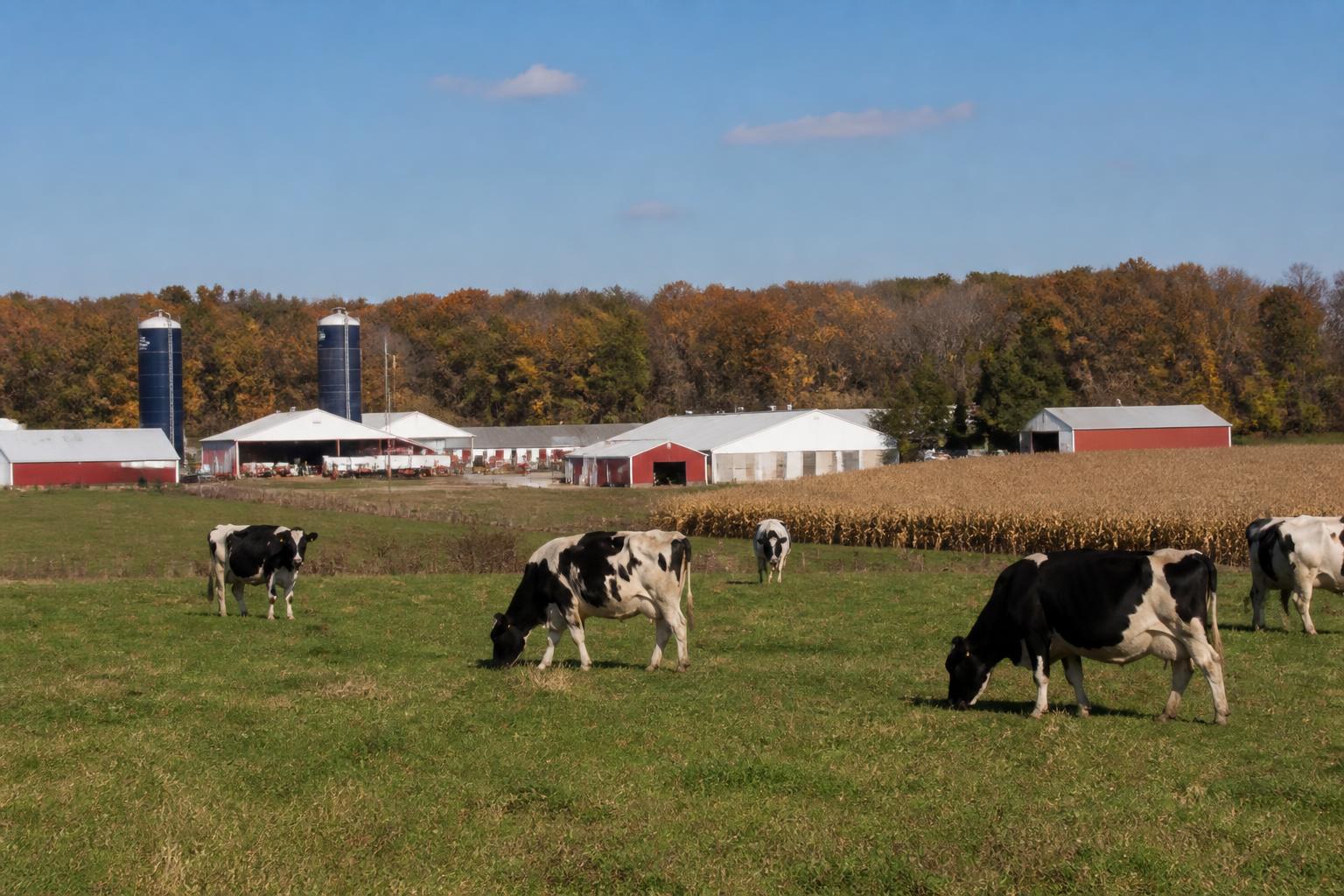
As the Connecticut agricultural sector navigates the transition into fall, farmers are balancing the push for final harvest productivity with the ongoing need for vigilance against invasive species. Protecting land assets and crop health remains central to long-term profitability, particularly as the state continues to integrate new federal relief resources designed to support recovery and operational stability.
Vigilance Against Pests and Biosecurity Threats
Monitoring for invasive pests is a standard, yet increasingly complex, operational requirement for regional producers. Recent reports of invasive insect nymphs in areas like Norwalk serve as a reminder that early detection is critical for protecting Connecticut crops. Whether dealing with known regional threats or emerging invasive species, farm managers often find that consistent monitoring—both of fields and surrounding perimeters—is essential to mitigate potential damage before it impacts seasonal margins.
Securing Agricultural Land
Land security continues to be a defining conversation among producers, particularly as local communities debate the expansion of infrastructure and alternative land uses. Initiatives aimed at permanently protecting acreage, such as recent efforts in Lebanon, provide a foundation for growers to invest in their infrastructure without the uncertainty of future development encroachment. This stability allows for better long-term planning, whether that involves soil health improvements or the adoption of modern Connecticut farmland preservation strategies.
Logistics and Resource Management
With the harvest season underway, maintaining the efficiency of rural transport corridors is vital for moving goods from field to market. As seen in past periods of regional growth, infrastructure shifts can directly influence the speed and cost of moving agricultural inputs and commodities. Staying updated on logistics and market updates helps operators anticipate potential bottlenecks and optimize their delivery schedules during this high-traffic time of year.
What it means for the market
For Connecticut agribusinesses, the current focus is on operational resilience. By prioritizing the protection of existing farmland and maintaining active surveillance for invasive pests, farmers can better insulate their operations against unpredictable external factors. Coupled with the strategic use of available federal disaster relief, these efforts are aimed at ensuring that regional producers remain competitive and structurally sound as they look toward the final quarter of the year.
Comments
No comments yet - be the first to share your take.