
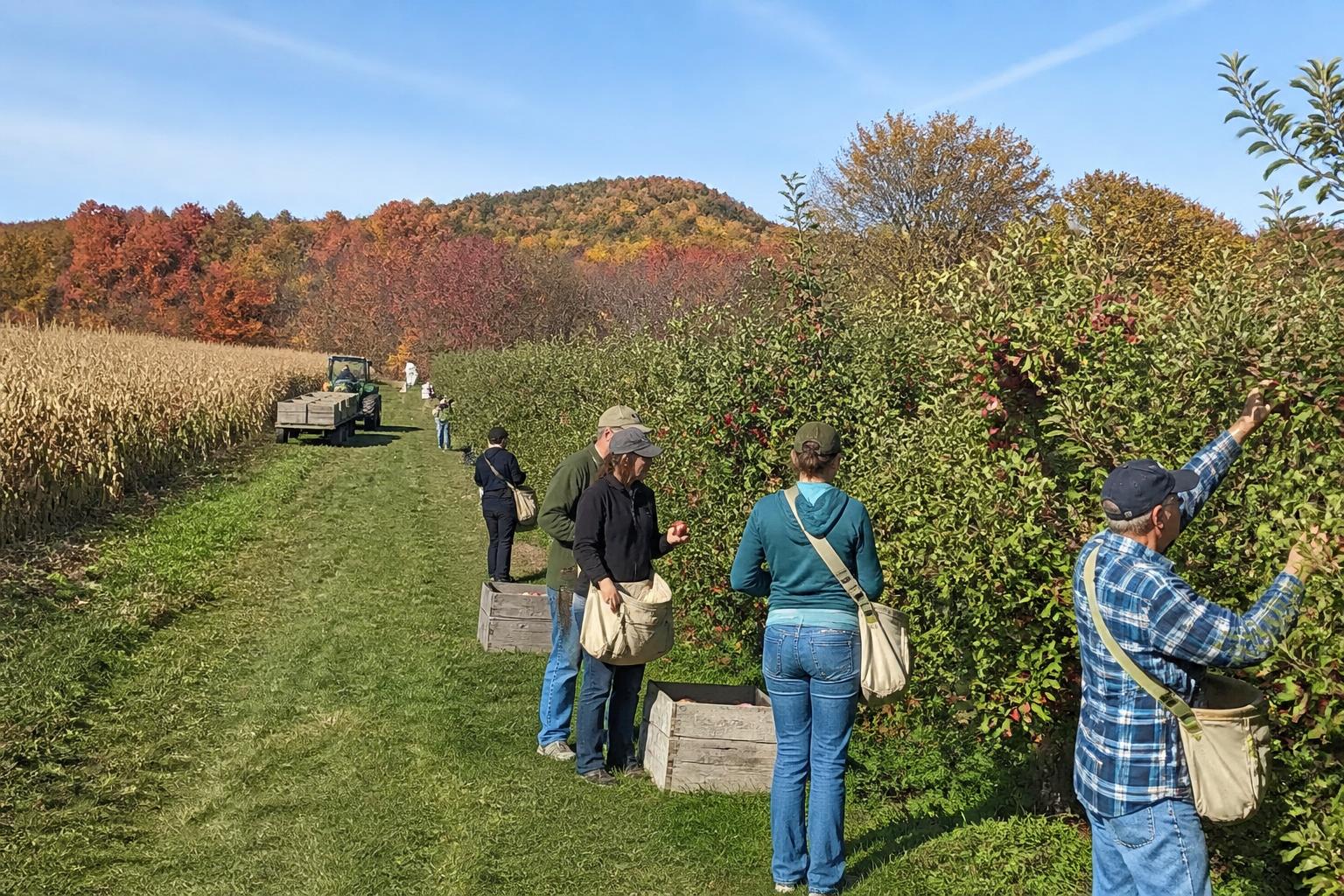
As we move deeper into the fall season, the New York agricultural community is facing a complex intersection of land-use challenges and infrastructure requirements. The shifting nature of rural acreage, often influenced by competing development interests, has prompted many producers to re-evaluate their long-term operational footprint. Maintaining the integrity of productive farmland remains a central theme for many across the state, from the Finger Lakes region to the Hudson Valley.
Investment in mission-aligned infrastructure continues to be a priority for those looking to bolster the sustainability of their operations. Whether it involves upgrading grain handling systems or retrofitting facilities for more efficient processing, these capital improvements are essential for remaining competitive. Many growers are finding that strategic investments can help mitigate the risks associated with volatile inputs and broader economic pressures that frequently affect regional producers.
The Evolving Landscape of Land Management
The conversation around agricultural land in New York often touches on the balance between expansion and conservation. As the state sees a continued rise in interest regarding solar development, farmers are increasingly focused on policies that prioritize the long-term viability of their soils. Protecting high-quality arable land is frequently cited as a baseline for maintaining the state's diverse crop output, which supports both local economies and regional supply chains.
For many, the focus is on sustainable production practices that allow for both short-term yields and long-term asset protection. As producers head into the height of the fall harvest, the dual pressure of managing current field conditions while planning for future land stewardship continues to shape decision-making at the farm level.
Infrastructure and Logistical Readiness
Infrastructure is not limited to land management alone; it extends to the logistics of transport and storage. Effective management of soil health and post-harvest infrastructure remains a cornerstone of successful seasons in the Northeast. Elevators and independent grain processors are playing an active role in this environment, often acting as hubs for information and logistics coordination for local growers.
What it means for the market
For farmers and agribusiness stakeholders, the current environment signals a shift toward more integrated planning. Staying informed on land-use developments and prioritizing the maintenance of essential infrastructure can provide a buffer against market fluctuations. As the season progresses, those who invest in resilient, future-proof assets will likely be better positioned to navigate the complexities of the regional agricultural landscape.
Comments
No comments yet - be the first to share your take.