
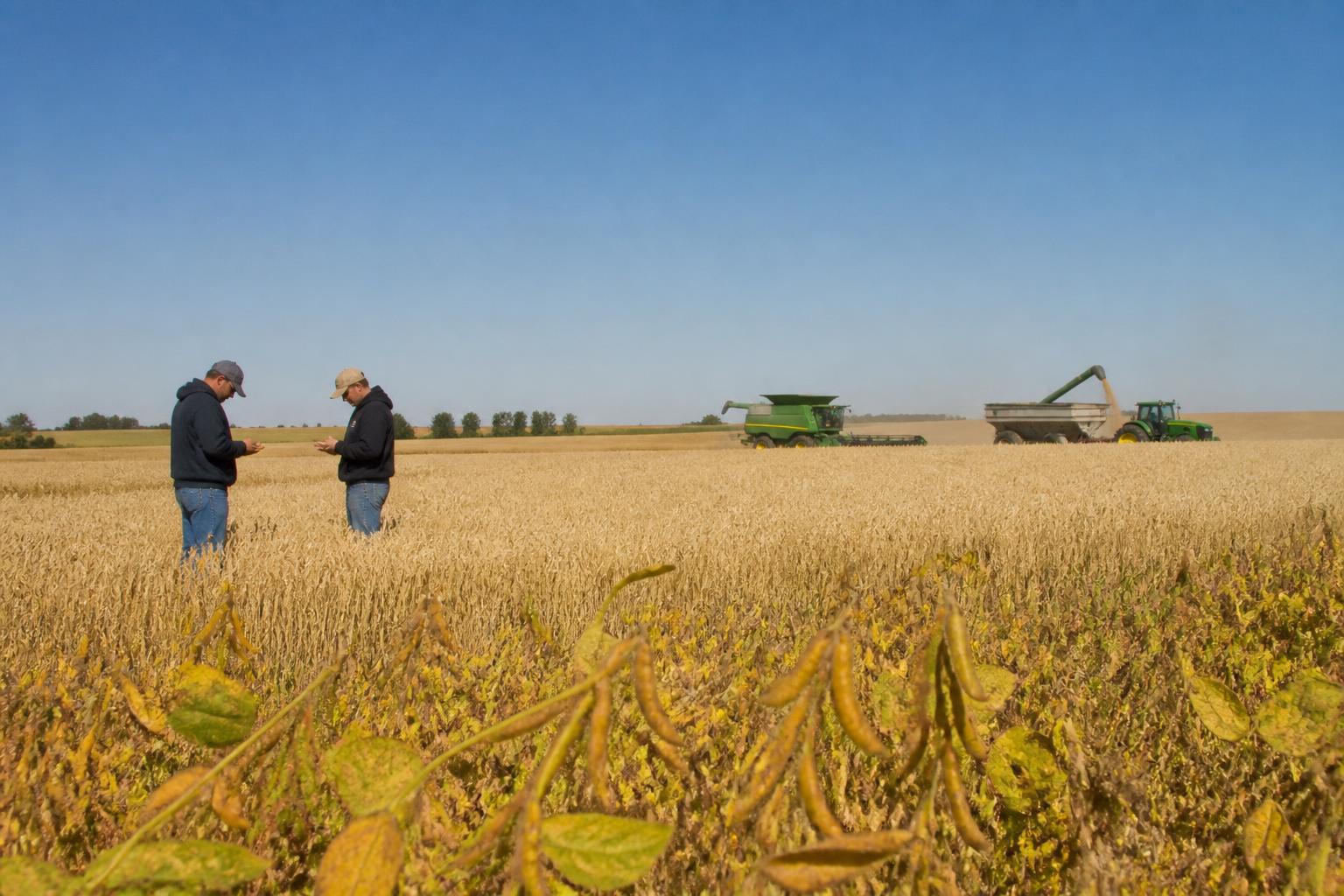
As the fall season takes hold across the Northern Plains, North Dakota farmers are balancing the immediate demands of the harvest with long-term adjustments to the state's agricultural landscape. With machinery moving across major corridors and grain elevators preparing for the incoming crop, the focus remains on operational efficiency and managing the bottom line amidst shifting regulatory and economic conditions.
A key change currently impacting the state's grain handlers and producers is the shift in regulatory oversight regarding grain trading. Recent legislative moves have transitioned authority from the Public Service Commission to the North Dakota Department of Agriculture. This structural change is designed to enhance oversight, providing a more direct line of accountability for grain transactions, which remains a top priority for growers during the high-volume fall months.
Navigating Persistent Input Headwinds
Financial stability for the upcoming season remains tightly linked to input affordability. Farmers continue to express concerns over rising fertilizer costs, which remain a primary hurdle as many begin planning for the next cycle. Research highlights that agricultural input costs are frequently impacted by complex international trade policies and tariffs, which can create significant ripple effects for regional producers.
Managing these evolving input costs requires a proactive approach to farm management. Many producers are utilizing this time to tighten recordkeeping protocols and assess supply chain options to mitigate the impact of price volatility. For those looking to optimize their agricultural business management, aligning with local cooperatives and utilizing state-level resources remains a standard practice for navigating current market headwinds.
Efficiency Through Regulatory Compliance
Beyond financial management, the regulatory environment for crop protection continues to evolve. Recent decisions surrounding the usage of tools like chlorpyrifos have prompted farmers to stay closely attuned to state-level compliance updates. Staying informed on these regulatory shifts is essential for ensuring that field operations proceed without interruption during the critical harvest window.
What it means for the market: Producers who prioritize clear communication with grain elevators and stay updated on the latest shifts within the Department of Agriculture are better positioned to manage risk. While input costs remain high, disciplined recordkeeping and staying informed on policy changes provide the necessary stability to navigate the current season effectively.
Comments
No comments yet - be the first to share your take.