
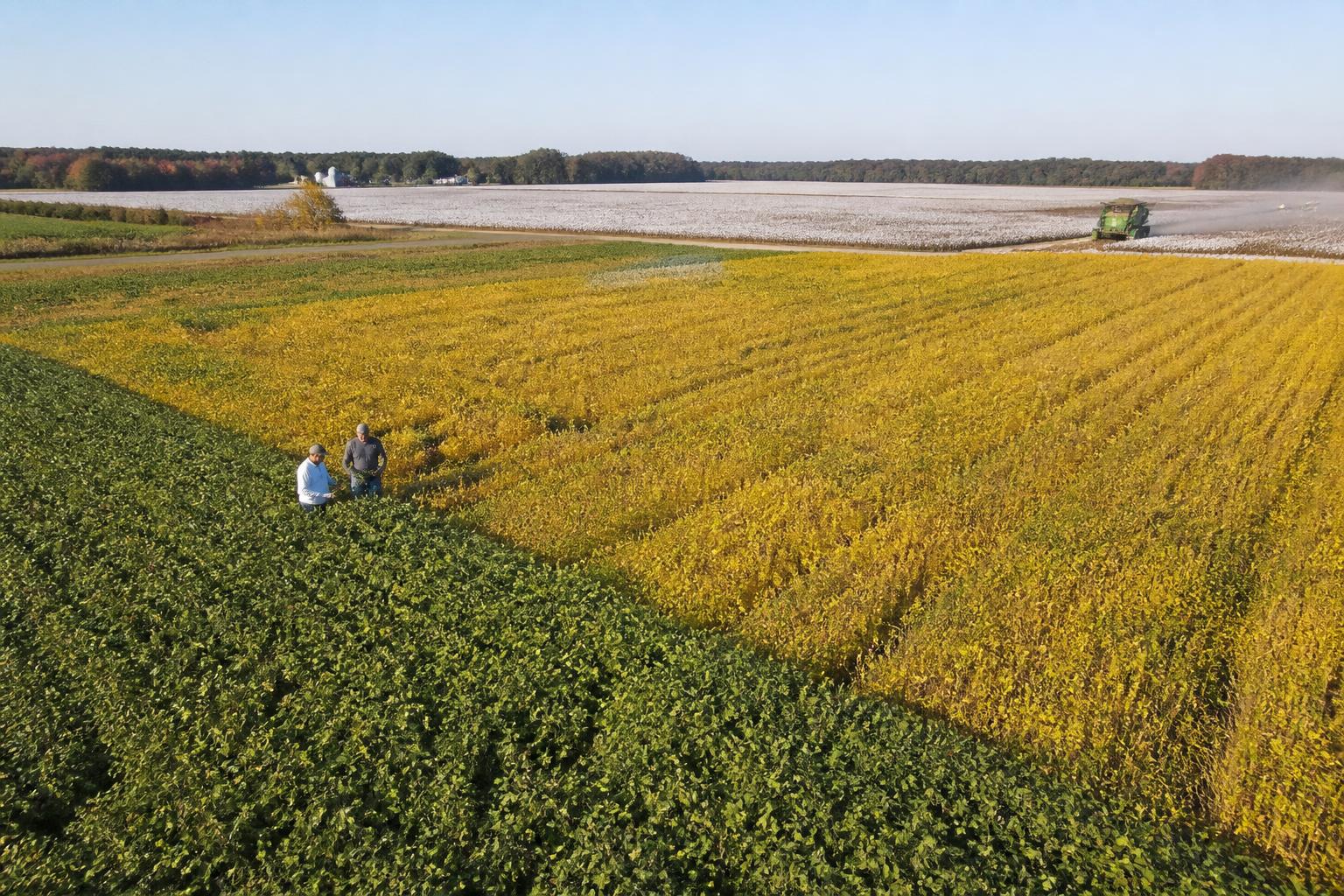
As the fall harvest season shifts into high gear across Mississippi, agricultural producers are balancing the promise of strong yield potential with the persistent challenges of variable environmental conditions. Protecting the integrity of the crop from field to storage remains a primary focus, particularly as late-season pest activity and fluctuating moisture levels can impact overall commodity quality.
With crops across various growth stages, Mississippi growers are staying vigilant against evolving threats. The recent confirmation of pests like the kudzu bug in soybean fields highlights the need for continued scouting and integrated management strategies. Effective protection efforts now are essential to safeguard the investment made throughout the growing season.
Logistics and the River Connection
For many producers in the Mississippi Delta, the ability to move harvested grain efficiently depends heavily on river transit. Fluctuating water levels can disrupt traditional shipping routes, creating bottlenecks that impact local elevator capacity and regional pricing. Staying ahead of these logistics hurdles is critical as the volume of harvested crops increases. Monitoring river conditions allows agribusinesses to better coordinate trucking and rail movements to avoid being caught by restricted barge traffic.
Technology in Field Management
Beyond traditional protective measures, innovation continues to play a significant role in how Mississippi farmers manage their operations. From ongoing research into automated harvesting technologies for specialty crops like blackberries to the broader application of digital monitoring tools, the focus remains on maximizing efficiency. These advancements support the long-term sustainability of the state's diverse agricultural sectors, including its vital cotton crop.
What it means for the market: For growers and elevator managers, the priority in the coming weeks is twofold: maintaining a tight watch on late-season crop protection to prevent quality degradation and ensuring flexible logistics plans are in place to mitigate potential river-borne supply chain disruptions.
Comments
No comments yet - be the first to share your take.