
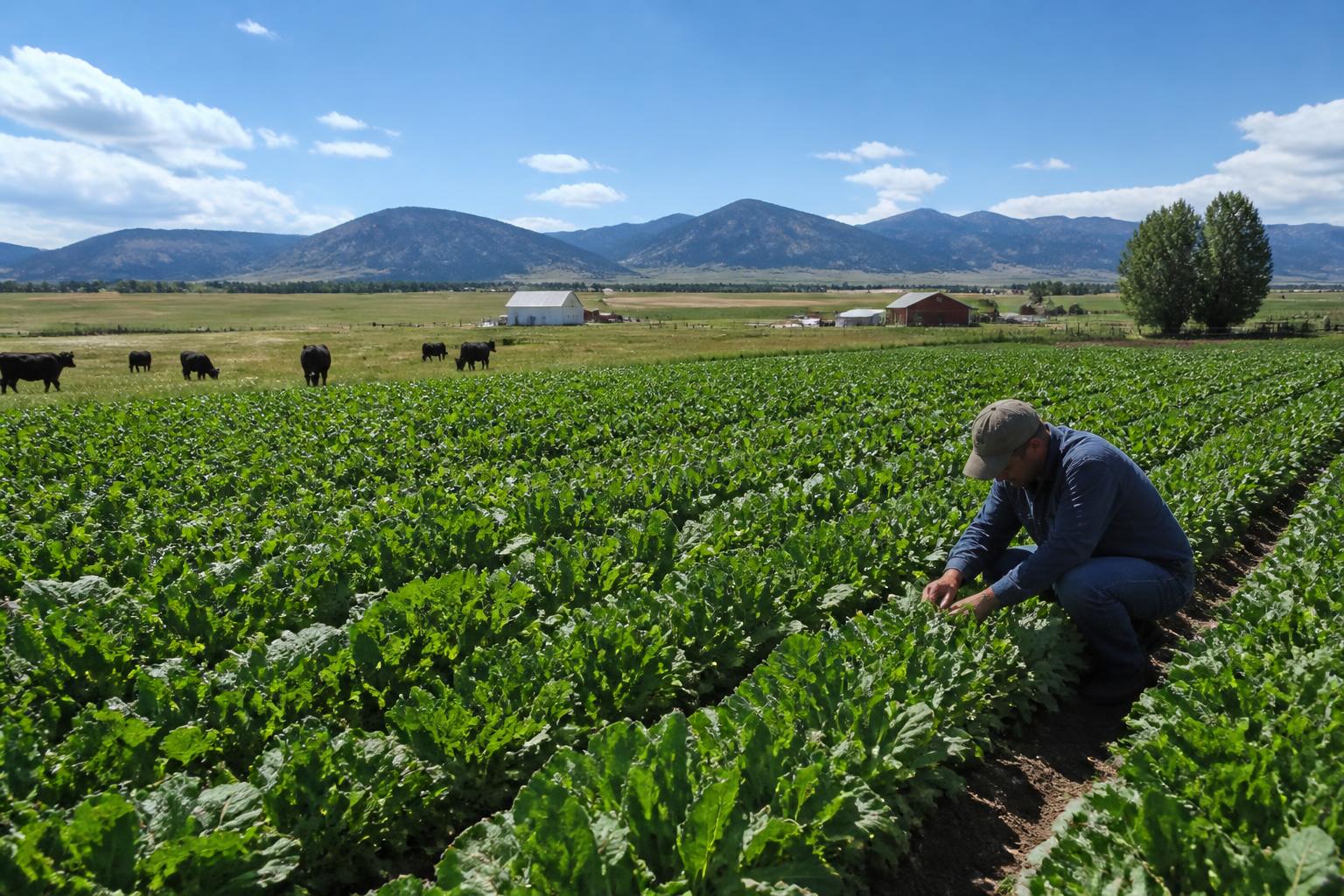
With summer in full swing across Wyoming, agricultural operations are entering a critical phase of crop and livestock protection. The combination of rising temperatures, dry range conditions, and seasonal pest pressures presents unique challenges to the state's producers. From the irrigated fields of the Big Horn Basin to the sprawling rangelands of Albany and Niobrara counties, managing biological and environmental threats is essential for securing this season's yields and protecting herd health.
Maintaining vigilance during these warmer months requires a multi-pronged approach. Growers are actively monitoring forage crops for destructive insects, while cattle ranchers are implementing strict biosecurity protocols and preparing emergency logistics plans to shield their operations from summer hazards.
Tackling Alfalfa Weevil with Targeted Pesticides
Alfalfa is a cornerstone of Wyoming's forage economy, but it remains highly susceptible to pest pressure. Crop protection researchers have been focused on refining chemical control methods, particularly evaluating pesticide combinations to manage the alfalfa weevil. Because these pests can rapidly defoliate fields and reduce both yield and forage quality, finding highly effective, synergistic pesticide treatments is vital for local growers.
Producers must balance chemical efficacy with resistance management. Integrating newer, targeted pesticide combinations helps ensure that alfalfa stands remain productive through multiple cuttings. Successfully securing these high-value forage crops is particularly critical for growers who are navigating Wyoming's weather challenges and crop opportunities to maximize their seasonal returns.
Livestock Protection: Combating Anthrax and Brucellosis
For Wyoming's livestock sector, health and biosecurity remain top priorities. Ranchers must stay alert to infectious diseases that can devastate herds and restrict market access. Specifically, cases of anthrax and brucellosis have historically posed serious threats to cattle populations in the region.
Anthrax, which can emerge from soil spores during hot, dry summer periods following heavy spring rains, requires rapid identification and quarantine. Similarly, managing brucellosis demands strict adherence to state vaccination mandates and testing protocols, particularly within the Designated Surveillance Area (DSA) near the Greater Yellowstone Area. Ranchers are encouraged to work closely with local veterinarians to monitor herd health, implement proper carcass disposal methods if disease is suspected, and maintain rigorous vaccination schedules to protect their livelihoods.
Summer Wildfires and Emergency Transport Logistics
Dry summer conditions across the high plains frequently elevate the risk of rangeland wildfires. When fires break out, rapid response is necessary to protect livestock grazing on vulnerable public and private lands. During active fire emergencies, state officials and local transportation networks often coordinate to facilitate emergency livestock transport, allowing ranchers to move cattle quickly out of harm's way.
These emergency movements underscore the vital role of robust rural transport infrastructure. Ensuring that local operators have access to functional transloading facilities and reliable highway corridors is crucial, especially when Wyoming ag logistics and forage markets benefit from transloading and federal infrastructure investments. Having an evacuation plan and maintaining open communication with local emergency management agencies are essential summer preparation steps for any livestock operation.
Key Takeaways for Wyoming Producers
- Evaluate Alfalfa Treatments: Monitor weevil populations closely and utilize recommended pesticide combinations to prevent yield drag on late-season cuttings.
- Enforce Herd Biosecurity: Stay updated on regional vaccine requirements for brucellosis and watch for signs of anthrax during dry summer spells.
- Formulate Wildfire Plans: Establish emergency evacuation routes, maintain livestock trailers, and coordinate with local logistics networks for rapid cattle relocation if necessary.
What it means for the market
Active risk management this summer will directly influence Wyoming's agricultural bottom line. Effective pest control preserves the quality of local hay, which supports both regional livestock feed security and export value. Meanwhile, proactive animal disease monitoring and emergency fire preparedness prevent costly herd losses and logistical disruptions, keeping Wyoming's beef supply chain stable and competitive in the national marketplace.
Comments
No comments yet - be the first to share your take.