
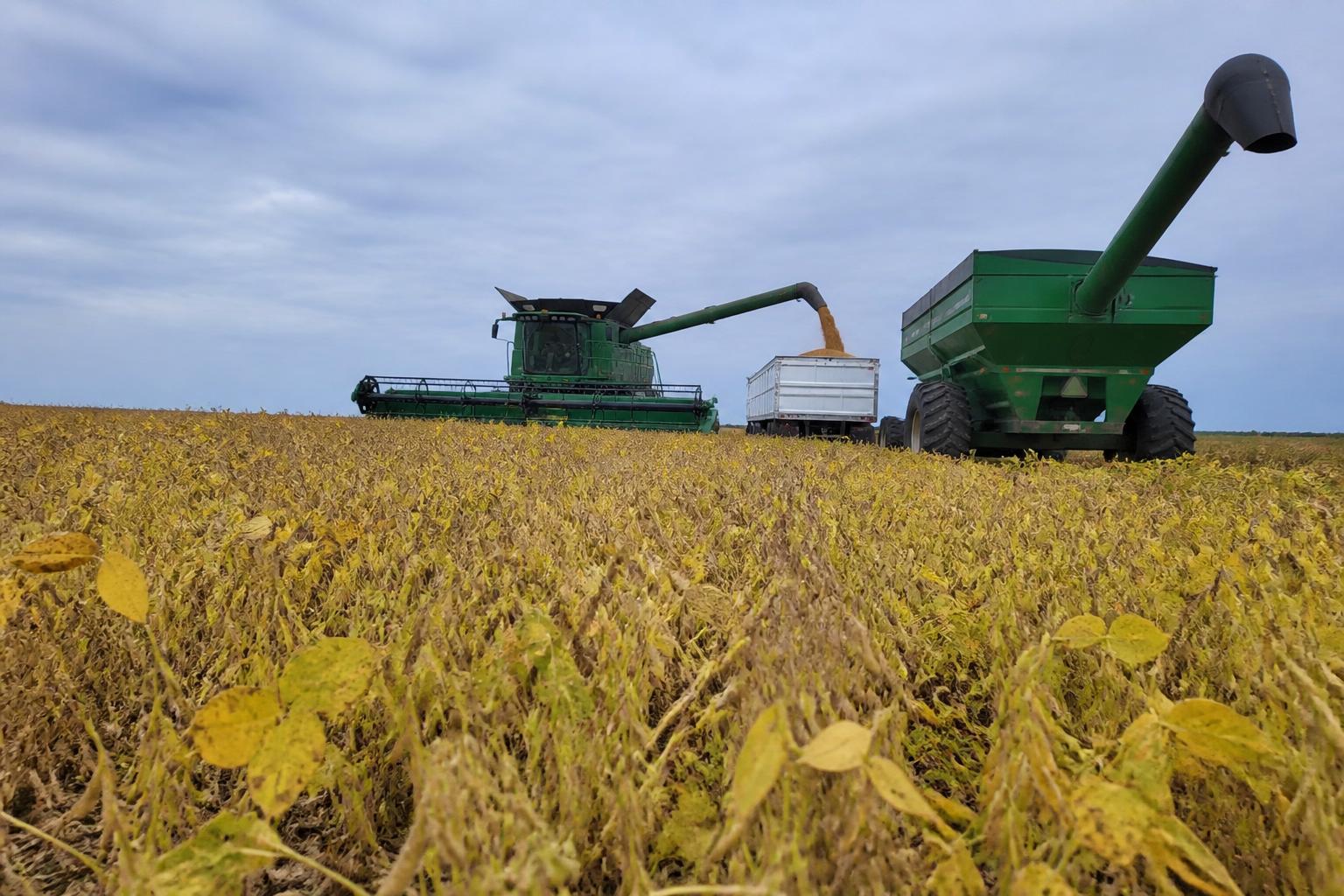
As the fall harvest season gathers momentum across Illinois, producers are navigating a complex landscape defined by shifting operational costs and the need for logistical precision. With the window for fieldwork narrowing, the focus shifts to balancing crop quality with the immediate pressures of rising energy prices that can impact everything from drying operations to transport logistics.
For many across the state, these seasonal hurdles are compounded by broader market trends that require a disciplined approach to input management and resource allocation. Staying ahead of potential logistics and operational headwinds is essential for farmers looking to protect their bottom line during the busiest time of year.
Evaluating Operational Costs in a Volatile Market
In addition to fuel and drying expenses, the current agricultural environment demands a close look at overall farm efficiency. Many operations are reassessing their workflows to streamline field-to-bin timelines, which often helps mitigate the impact of labor and equipment volatility. Engaging with local stakeholders, including grain elevators and regional transport partners, can often provide clarity on local storage capacity and wait times.
Producers should remain vigilant about shifting market pressures, as regional infrastructure often faces bottleneck risks during peak harvest volume. Proactive communication with transport providers remains a standard best practice to avoid delays that can threaten margins.
What it means for the market
For Illinois agribusinesses and growers, the coming weeks represent a critical period for risk management. By prioritizing efficient harvest logistics and maintaining a lean approach to energy-intensive tasks, farmers can better position themselves against the prevailing economic uncertainty. Continued monitoring of both input prices and local supply chain capacity will be the most effective strategy for navigating the final stretch of the 2026 season.
Comments
No comments yet - be the first to share your take.