
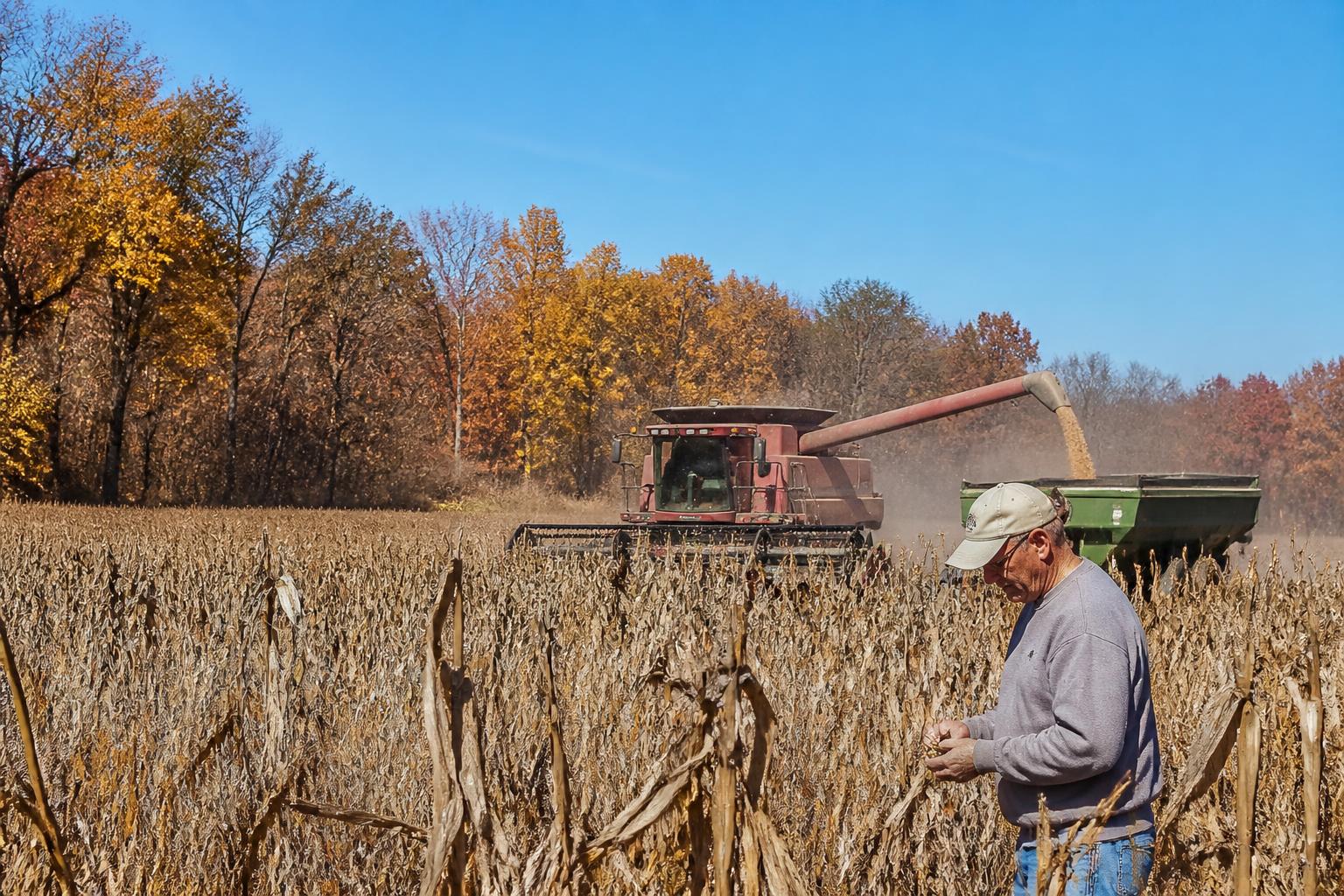
As the fall harvest season accelerates across Alaska, growers are navigating a particularly demanding period. From the Matanuska-Susitna Valley to interior agricultural hubs, producers are balancing the final push of the season with ongoing infrastructure and supply chain considerations. The current climate presents a unique set of challenges that can impact efficiency, from the maintenance of aging equipment to the management of evolving logistical corridors.
For many farm operations, managing seasonal risks is becoming an increasingly integrated part of the business cycle. Recent discussions among stakeholders highlight the necessity of protecting essential agricultural assets during these critical weeks. Whether it is mitigating the risk of field equipment fires or adjusting to fluctuating transportation availability, producers are often looking toward more resilient, diversified management strategies to safeguard their yields and investments.
Building Operational Resilience
The agricultural landscape in Alaska is not static, and the current focus remains on ensuring long-term viability despite broader industry pressures. As some sectors, such as the dairy industry, evaluate their future trajectory, many farmers are looking toward diversification to secure the next generation of operations. This shift often involves a deeper analysis of soil health, water management, and the stewardship of working lands—principles that are fundamental to maintaining productivity in northern latitudes.
Furthermore, navigating the complexities of regional infrastructure remains a key priority. For grain handlers and logistics providers, the stability of transport routes is essential for maintaining a steady flow of commodities. Producers are encouraged to keep a close watch on regional development updates, as these can directly influence the ease with which products move to market. Effective resource management, coupled with a proactive approach to land stewardship, remains the cornerstone for those looking to maintain consistent output.
What it means for the market
For those involved in the Alaska agricultural supply chain, the immediate focus is on harvest throughput and cost-effective logistics. As operators weigh the financial and operational challenges of a changing climate, the market may see a greater emphasis on local value-added processing and supply chain agility. Producers who prioritize equipment safety and lean into sustainable management practices are better positioned to mitigate the inherent volatility of the fall season, ensuring that their hard-won harvest reaches its destination efficiently despite regional logistical headwinds.
Comments
No comments yet - be the first to share your take.