
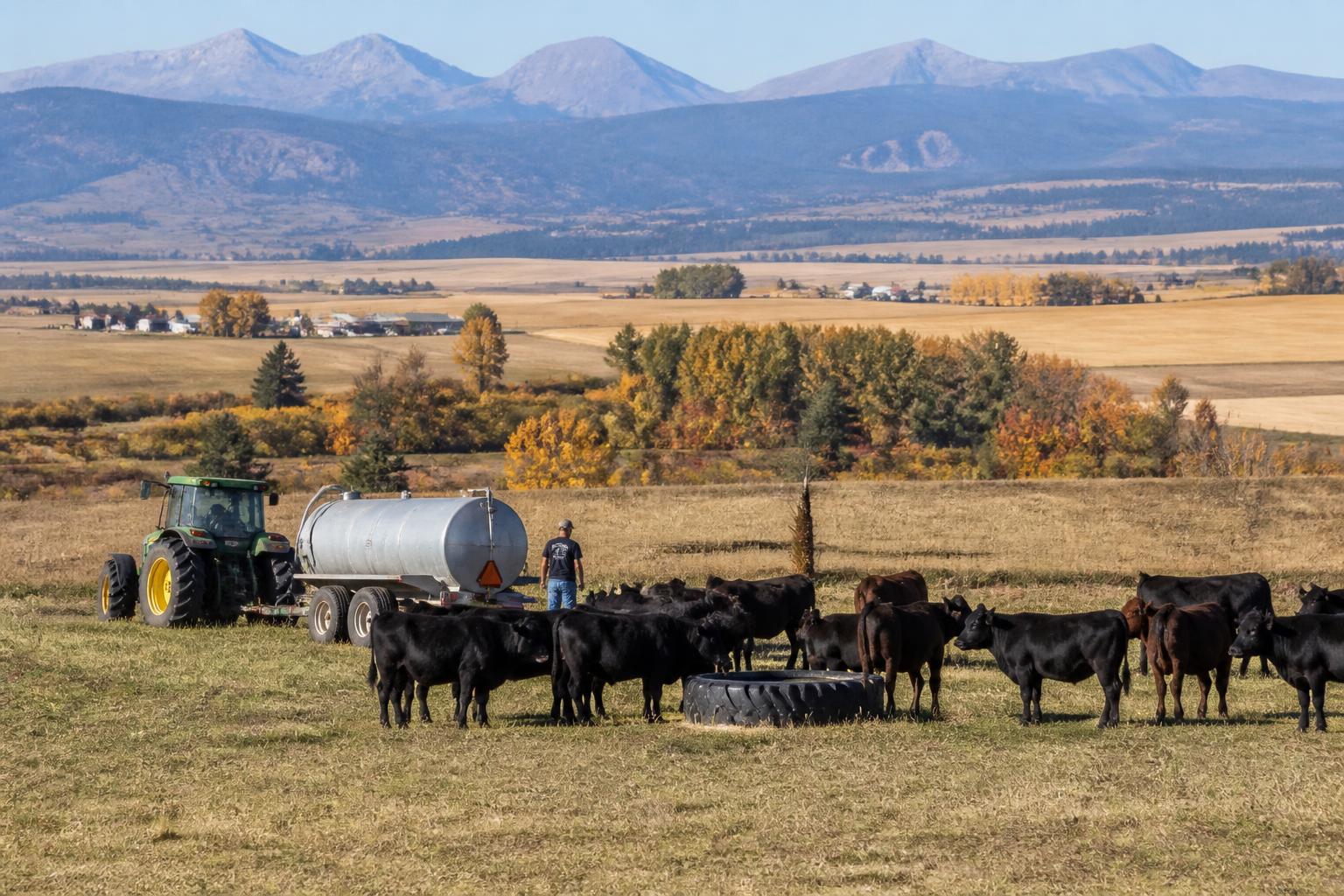
As we move deeper into September, Colorado's agricultural sector remains focused on the practical realities of a challenging growing season. Farmers across the state are contending with the effects of prolonged drought, which has impacted both pasture conditions and the overall outlook for wheat yields. For those managing grain operations, the current environment necessitates a heightened focus on logistical efficiency and risk management.
Producers are balancing these environmental pressures with an evolving economic landscape. As discussed in our look at Colorado grain markets, maintaining operational control is critical when facing unpredictable output and shifting input requirements. With the harvest season now underway, the focus shifts to maximizing throughput while navigating the complexities of regional storage and transportation.
Managing Resource Constraints
Drought conditions have placed increased strain on ranching and cropping operations, leading to some localized challenges in water management and field maintenance. For some, the necessity of hauling water has become a standard, if burdensome, chore during this dry stretch. These operational realities underscore the importance of leveraging Colorado harvest outlook data to plan for labor and machinery demands as the fall season progresses.
Additionally, the agricultural land market continues to show signs of settling. As land values stabilize, many operators are re-evaluating their capital investments in machinery and infrastructure. Staying informed on resource constraints in Colorado agriculture can provide valuable context for making equipment or storage decisions during this transition period.
What it means for the market
For grain handlers and farmers, the path forward requires a disciplined approach to managing both yield uncertainty and logistical bottlenecks. Market volatility remains a significant factor, and producers who prioritize flexible storage solutions and efficient transport planning are better positioned to respond to regional price fluctuations. As the fall harvest continues, close monitoring of local basis levels and input availability will be essential for maintaining margins in an increasingly complex agricultural climate.
Comments
No comments yet - be the first to share your take.