
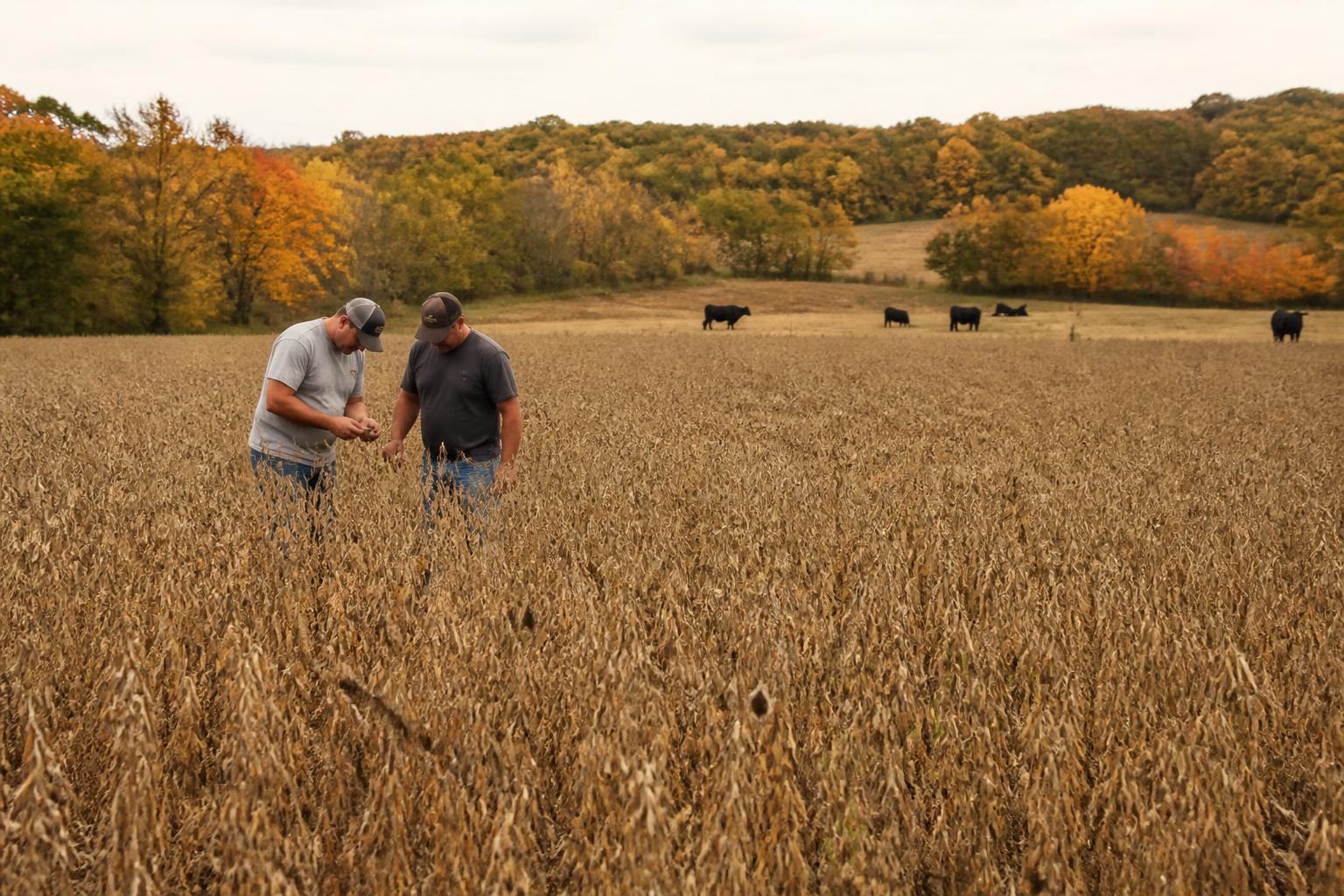
As Missouri producers move into the heart of the fall harvest season, the reality of stagnant input and operational costs remains a central theme in farm management. While the focus naturally shifts toward yield collection and logistical throughput at local elevators, the pressure to maintain margins in a high-cost environment is forcing many to re-evaluate their long-term protection strategies.
Economic headwinds continue to shape decision-making across the state, from the fertile river bottoms to the rolling hills of the Ozarks. Experts note that despite shifting seasonal cycles, the financial burden for inputs does not appear to be easing significantly, making precise management more critical than ever for those looking to protect their bottom line during the 2026 cycle.
Strategic Protection in a High-Cost Market
Managing overhead while securing yield potential is a balancing act that requires constant vigilance. For many, this means leaning into efficient weed control and input management to ensure that every dollar spent on crop protection delivers a clear return. As operational expenses remain elevated, producers are increasingly prioritizing tools that offer the highest degree of reliability in varied soil and weather conditions.
Furthermore, staying ahead of emerging threats is vital. Recent reports of new soybean pests highlight the necessity of active field monitoring. For those looking to optimize their strategic pest and weed management, integrating scouting data with seasonal protection plans can help mitigate losses before they impact the final tally at the scale.
Logistics and Market Resilience
Infrastructure developments, such as new cold storage hubs in regional centers like Kansas City, may offer additional flexibility for managing perishable assets and supply chains. As the harvest tempo increases, coordinating with reliable transport and storage partners is essential to avoid bottlenecks. The broader agricultural landscape, influenced by global logistical strains and local environmental factors, continues to demand a proactive approach to marketing and resource allocation.
What it means for the market: Producers should anticipate that elevated input costs will likely persist through the coming season, necessitating a shift toward efficiency-driven protection strategies. Protecting current yield potential and securing logistical capacity now may offer a hedge against continued price volatility in the supply chain.
Comments
No comments yet - be the first to share your take.