
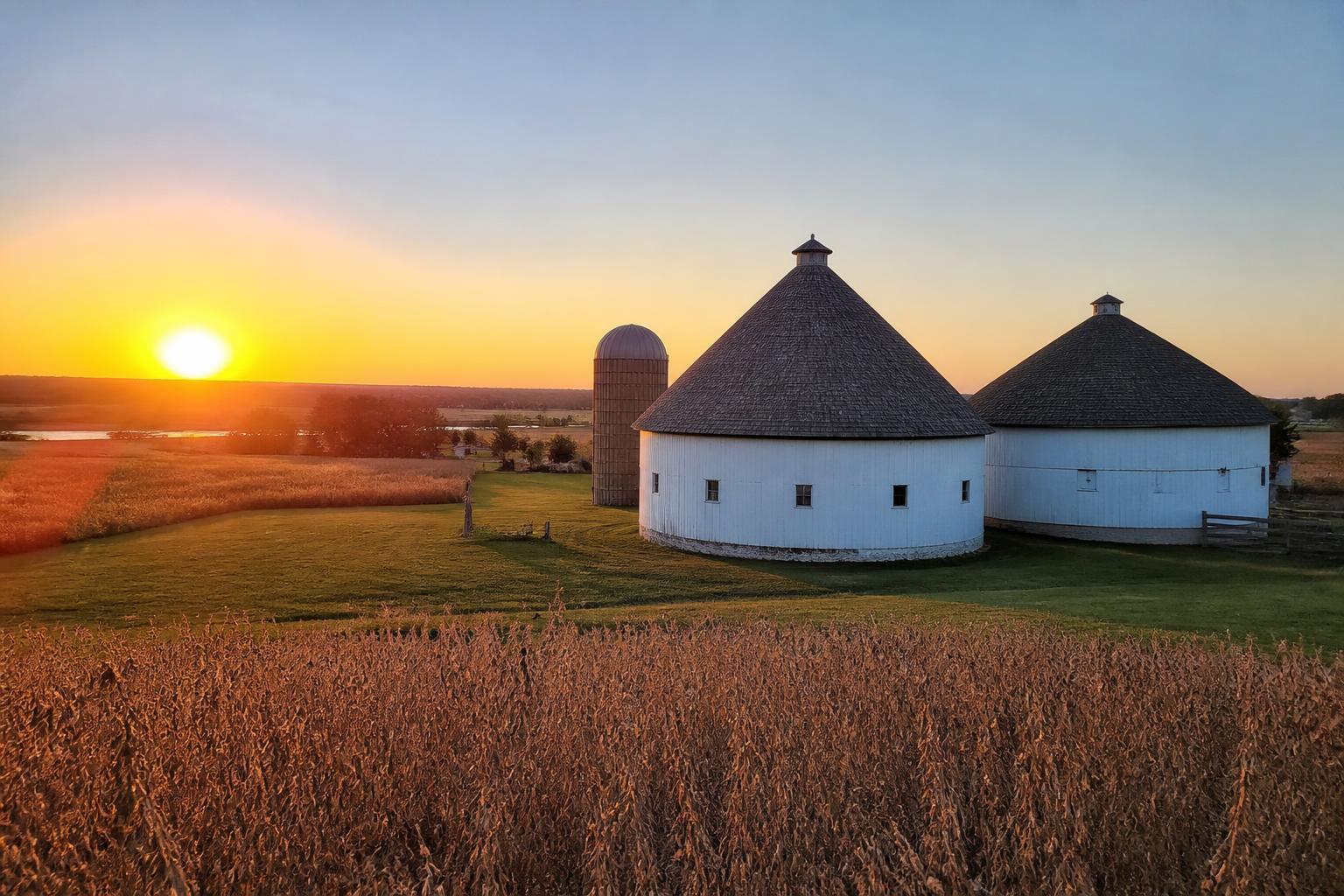
As we move deeper into the harvest season, Iowa agriculture remains in a period of consolidation and cautious management. While the farmland market appears to be holding steady as we head into the closing months of 2026, the underlying operational costs for producers continue to command significant attention. For many, navigating late-season input strategies has become a delicate balancing act between maintaining yield potential and controlling overhead in the face of persistent price volatility.
Monitoring Crop Health and Resilience
Recent reports suggest that producers across the state are remaining vigilant regarding late-season disease pressure in corn. With some fields showing increased leaf disease presence, the ability to make rapid, data-informed decisions on crop protection is essential. Managing these variables effectively is often the difference between a high-performing harvest and unexpected losses as the season winds down.
Alongside traditional corn and soybean management, some Iowa growers are exploring crop diversification, such as integrating sorghum into rotation cycles, to help improve soil health and mitigate ongoing pathogen risks. This comes at a time when resistance to threats like soybean cyst nematode continues to erode, making integrated pest management more critical than ever for maintaining long-term field productivity.
Balancing Financial Stability and Operational Overhead
While cash rents for Iowa cropland have seen minimal movement compared to previous cycles, the broader financial picture remains challenging. Producers continue to face testing conditions from elevated fertilizer prices, which put pressure on margins despite stable land costs. Utilizing precise nitrogen management tools, such as those that help walk the fine line of input efficiency, can provide a necessary buffer against these rising costs.
As operations look toward the off-season, the emphasis remains on fiscal discipline. Producers are encouraged to evaluate their current crop protection and input procurement strategies to better manage potential market fluctuations ahead of the next planting season. For further insight into optimizing your operations, you can review our previous guidance on managing late-season protection and keeping a close watch on regional health risks.
What it means for the market
For Iowa agribusinesses and farmers, the current climate dictates a need for agility. With input costs remaining a primary pain point and disease pressures surfacing in some regions, the market is favoring those who can balance traditional agronomy with modern cost-management tools. Expect to see continued interest in precision agriculture and alternative cropping strategies as producers look to secure their bottom line amidst an evolving economic landscape.
Comments
No comments yet - be the first to share your take.