
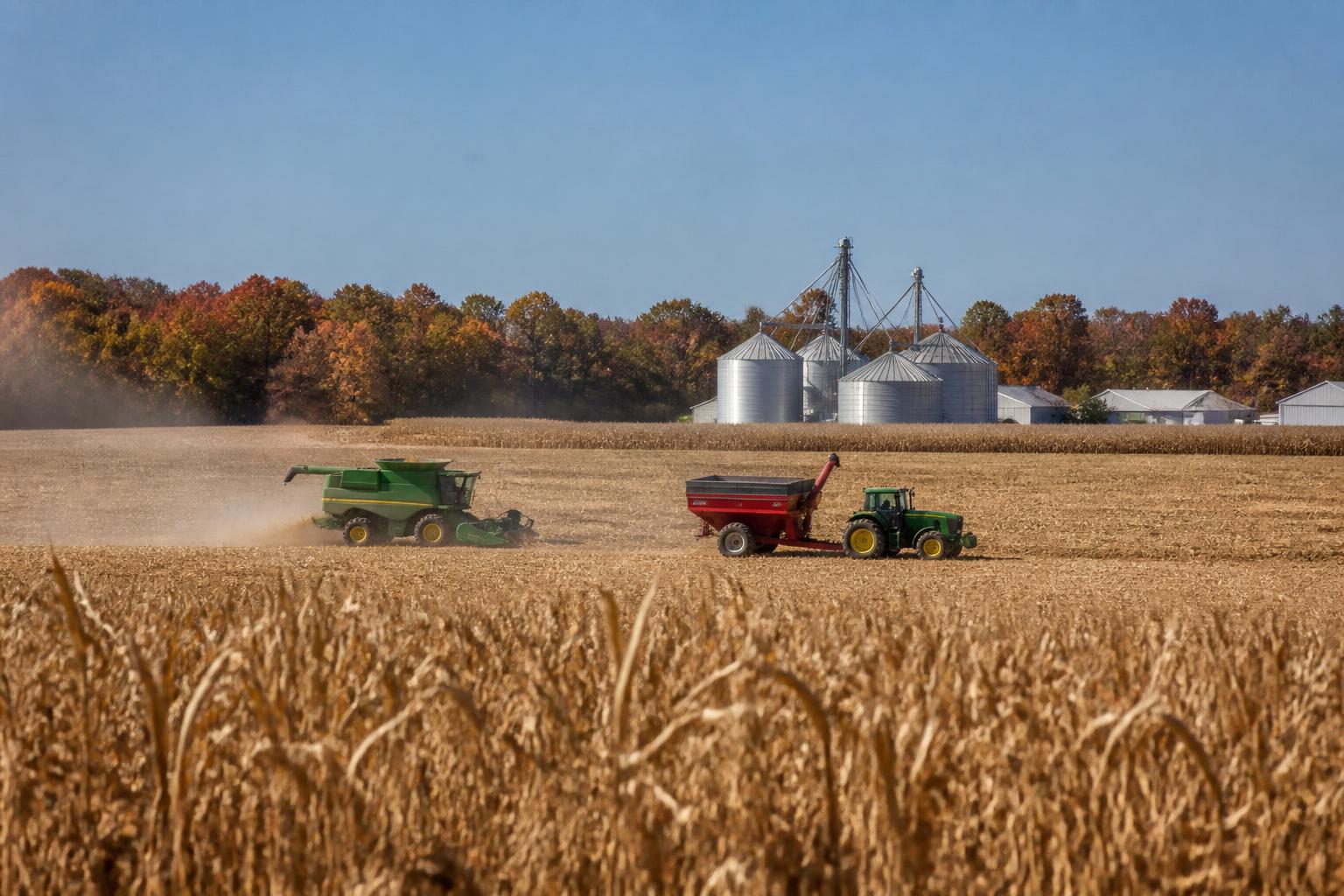
As the fall season takes hold across Nevada, agricultural producers are increasingly focused on balancing the long-term sustainability of their operations with immediate input requirements. With seasonal harvesting and preparatory work for the upcoming cycle underway, regional growers are closely monitoring the stability of essential production supplies. Navigating input management in Nevada requires a keen understanding of both global commodity trends and the specific logistical challenges inherent to the high desert landscape.
Water Security and Resource Management
Water remains the most significant variable for Nevada agribusinesses. Recent federal discussions regarding potential adjustments to Colorado River allocations have prompted local producers to prioritize precision in their irrigation practices. Research initiatives centered on high-efficiency water management for alfalfa crops are becoming increasingly relevant as producers look for ways to maintain yield potential while navigating the reality of limited reservoir levels in key watersheds. Managing these resources effectively is essential to protecting operational viability throughout the fall.
Input Market Outlook
On the supply side, the broader agricultural market shows complex dynamics affecting local access to fertilizers and crop protection products. While some sectors grapple with volatility in supply volumes, the emphasis for Nevada producers often remains on sourcing consistency. Strategic planning in the procurement of fertilizers and crop protection inputs can provide a buffer against market fluctuations. Understanding how these global supply chains intersect with regional needs is a vital component for those looking to ensure input stability in Nevada.
What it means for the market
For Nevada farmers and agrologistics providers, the current market climate underscores the importance of efficiency and foresight. As the state balances agricultural demand with broader regional water priorities, those who invest in precision irrigation technology and proactive input sourcing may be better positioned to navigate the coming months. Staying informed on shifting federal policies and regional supply chain developments remains the most reliable strategy for protecting profitability through the end of the year.
Comments
No comments yet - be the first to share your take.