
As the summer heat intensifies across the Sunshine State, Florida grain buyers, crop input distributors, and livestock feed managers are navigating a complex landscape of supply chain shifts, labor changes, and seasonal weather risks. While Florida is globally recognized for specialty crops, its role as a critical hub for regional feed logistics and national fertilizer inputs makes its domestic market performance highly influential for agribusinesses far beyond the state lines.
From the panhandle down through the central ridge, logistics managers are closely monitoring transportation corridors like Interstate 75 and key ports to secure vital commodities. Local operations are balancing these logistics with rising operational costs, making it essential for refining North Florida grain and feed strategies amidst shifting cost structures.
Phosphate Market Dynamics and Fertilizer Supply Risks
Florida remains a powerhouse for crop inputs, specifically phosphorus, which is foundational for grain production across the United States. Major corporate maneuvers, such as The Mosaic Company's 1.2 billion dollar acquisition of CF Industries' Florida phosphate business, have consolidated the state's processing footprint. This heavy concentration of production in Central Florida creates a highly efficient supply loop but also exposes the market to acute regional disruptions.
Severe weather remains the most significant threat to this critical supply chain. Extreme weather events, such as Hurricane Milton tracking directly toward Florida's major phosphorus production facilities, underscore the fragility of domestic fertilizer logistics. Even temporary shutdowns at these facilities can trigger rapid shifts in wholesale fertilizer prices, directly affecting the margins of corn and wheat growers throughout the Midwest who rely on Florida-mined phosphate.
Labor System Tests and Technical Support
On the ground, Florida's agricultural operations are facing pivotal changes in farmworker regulations. Shifting rules for farm labor are turning new state legislation into a major test for the overall agricultural labor system. Grain elevators, feed mills, and specialty crop operations alike must adapt to these regulatory changes, which are altering labor availability and increasing compliance costs during peak summer activity. This regulatory environment aligns with the broader shifts in Florida's diverse agriculture where labor and environmental pressures are redefining traditional operations.
To mitigate labor constraints and improve operational efficiency, the agricultural machinery sector is focusing heavily on technical training. For example, John Deere has actively trained employees at a remote Florida training facility. These initiatives aim to ensure that regional equipment dealers and operators have the technical expertise required to support advanced precision agriculture machinery, which is vital for maximizing yield efficiency in a high-cost environment.
Climate Volatility and Broad-Scale Agribusiness Resilience
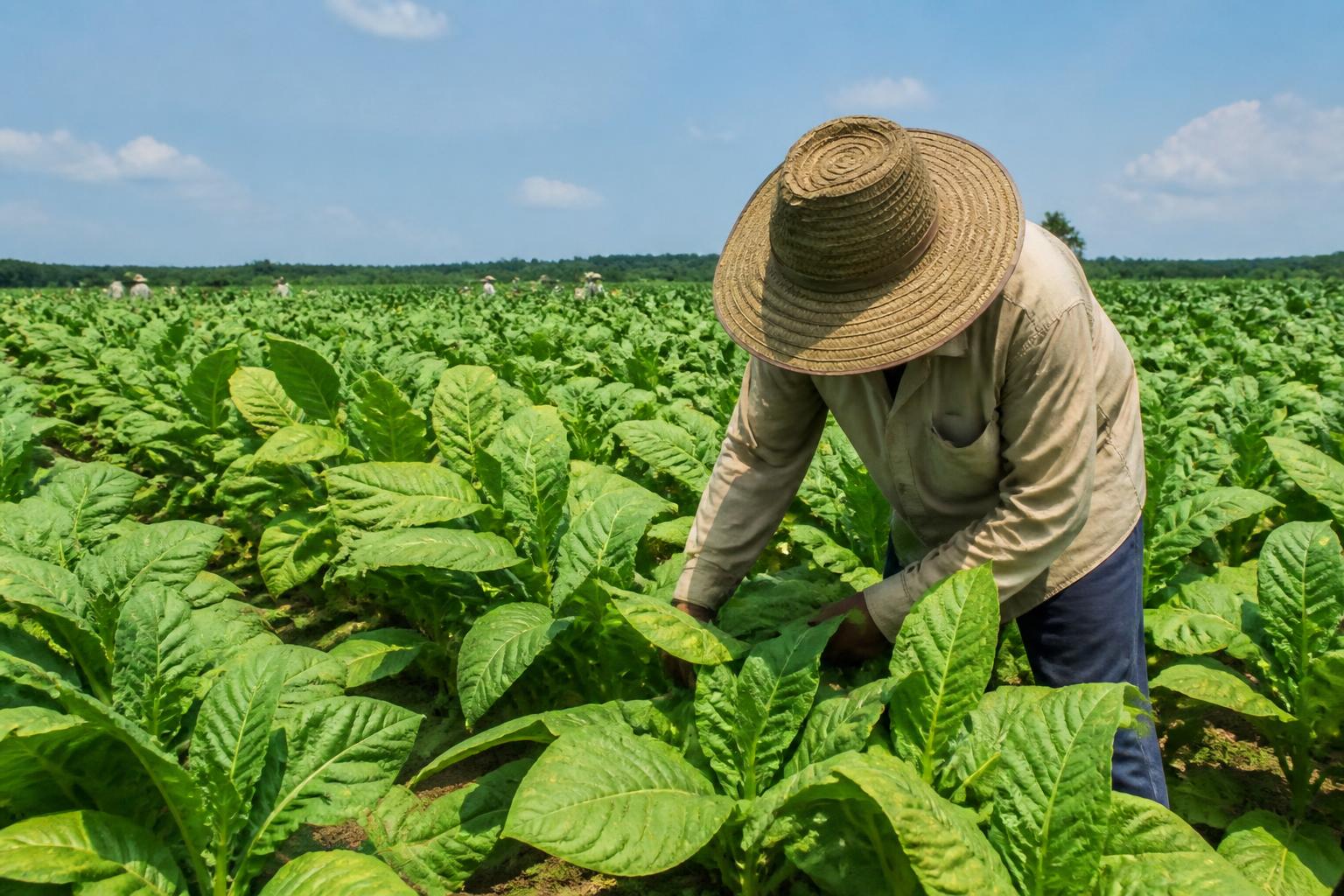
Florida's agricultural economy is routinely tested by extreme climate volatility, ranging from summer tropical storms to unseasonal winter freezes. Past events, such as when an arctic air mass severely impacted Florida's vegetable crops, highlight the constant environmental risks that local producers manage. While tobacco harvests and collaborative grapefruit ventures, such as the partnership between IMG Citrus and the Mixon family, showcase the resilience of the state's specialty sectors, they also compete for the same regional shipping containers, labor pools, and fuel supplies that grain and feed distributors rely upon.
Furthermore, broader leadership changes, such as the retirement of chief economist Seth Myers, come at a time when national and regional agricultural policy is adjusting to these compounding climatic and logistical challenges, leaving local businesses to rely heavily on real-time market data to steer their purchasing decisions.
What it means for the market
For Florida's agribusinesses and grain handlers, this summer is a period of strategic positioning. With domestic phosphorus production vulnerable to seasonal storm disruptions, securing crop inputs early remains a prudent hedge against potential localized shutdowns. Concurrently, adapting to the state's shifting farmworker labor rules and leveraging advanced machinery training will be critical to maintaining operational efficiency and preserving profit margins through the remainder of the crop year.
Comments
No comments yet - be the first to share your take.