
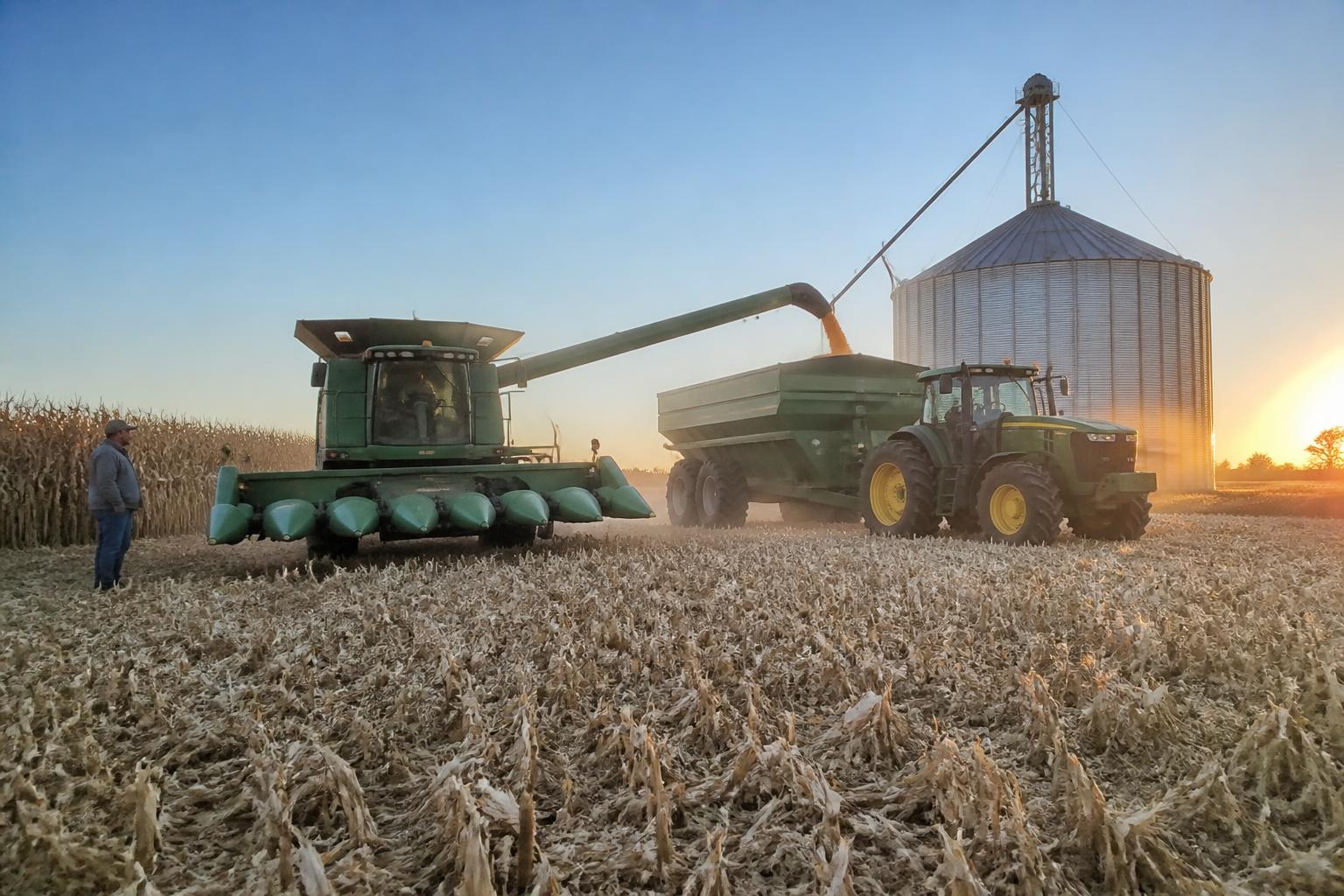
As the fall harvest season accelerates across Ohio, agricultural stakeholders are placing a renewed focus on operational safety and long-term land stewardship. Managing the logistical demands of a busy harvest period requires not only efficient transport but also a commitment to the safety of workers and the integrity of sensitive local environments.
With the current season bringing increased activity to fields and grain storage facilities, the availability of specialized safety resources has become a focal point for many operators. Efforts to integrate updated safety protocols and equipment are essential as elevators and farms handle increased throughput, helping to reduce risks associated with high-volume grain movement.
Advancing Sustainable Crop Management
Beyond physical safety, Ohio producers are looking toward enhanced crop management strategies that align with current environmental research. Implementing updated fertilizer recommendations is becoming a common practice for many farms, as these guidelines are refined to boost yields while simultaneously protecting local waterways. Such measures are vital for maintaining the long-term productivity of regional soil and ensuring that nitrogen and phosphorus applications are managed with precision.
For those managing diverse operations, protecting sensitive acreage is increasingly supported by local reporting initiatives, such as the state's registry for sensitive crops. By utilizing these systems, growers can better mitigate the risks of pesticide drift, a critical factor for maintaining farm viability in mixed-use rural corridors. These proactive steps are part of a broader shift in how Ohio grain markets navigate changing seasonal data and emerging industry requirements.
Logistics and Market Connectivity
As market dynamics evolve, the importance of reliable supply chains remains constant. Ohio's agribusinesses are continuing to find opportunities to optimize their input procurement and product distribution. Integrating modern management practices is crucial for those looking to stay competitive, especially as producers monitor shifting grain market trends through the final months of the year. Investing in both modern facility equipment and updated certification training is helping local operators bridge the gap between traditional practices and the demands of a modern global market.
What it means for the market: For farmers and handlers, this season is characterized by a balance between peak operational output and the implementation of rigorous safety and environmental standards. Adopting these best practices not only helps mitigate direct operational risks but also positions Ohio's agricultural sector to maintain its reputation for consistent, high-quality production in a complex trade environment.
Comments
No comments yet - be the first to share your take.