
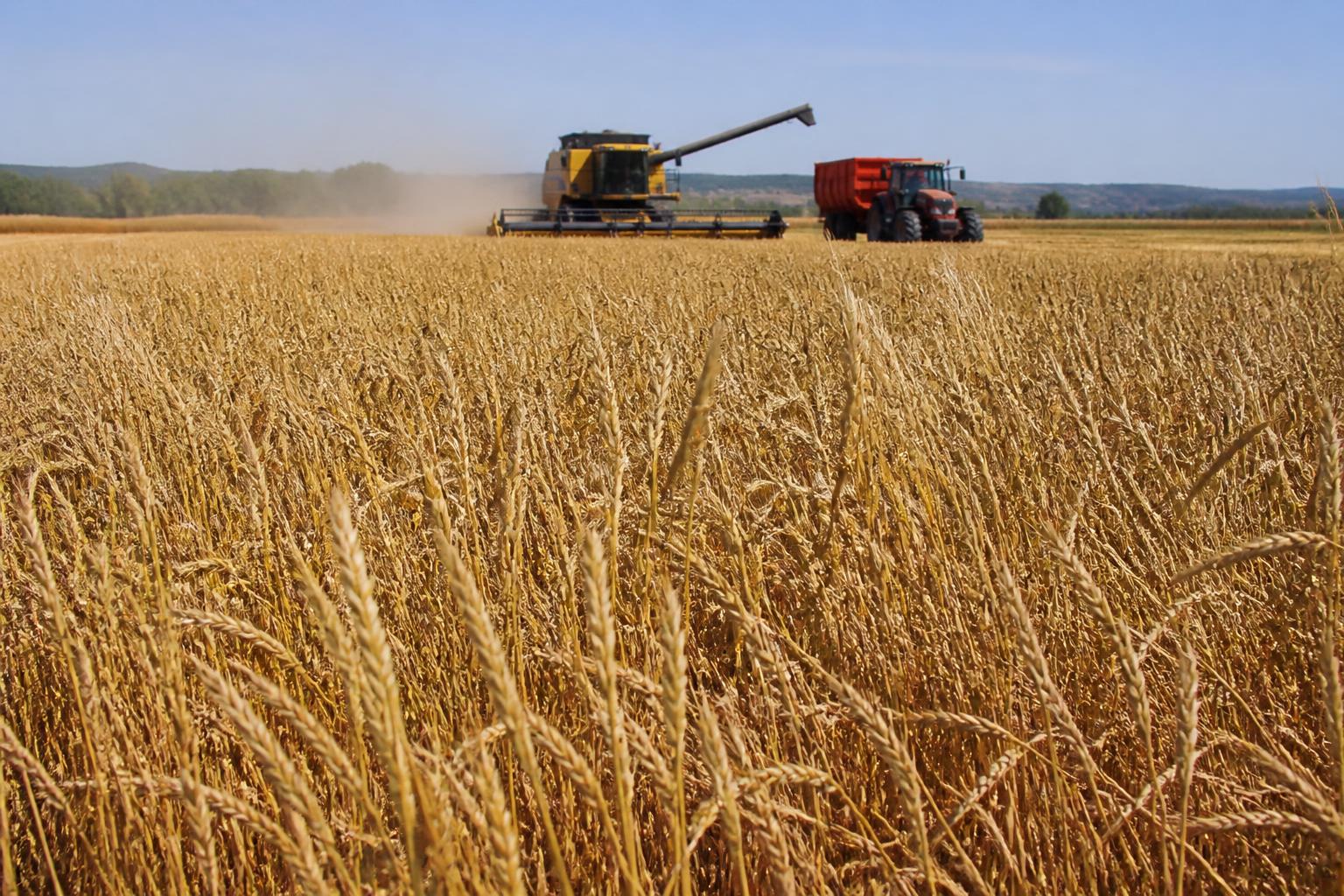
The arrival of September across the Commonwealth brings a shift in focus toward the fall harvest, yet the broader market environment remains sensitive to global fluctuations. For many producers in the state, the current season is characterized by a need to balance immediate production demands with long-term financial stability. With international conflict impacting global fuel and fertilizer prices, the resulting ripple effects can create challenging cost structures for local agribusinesses operating in a high-input environment.
Agricultural operators in regions like the Pioneer Valley and coastal farming communities are increasingly evaluating how to preserve operational margins. Strengthening resilience against environmental pressures has become a primary objective for those managing land-intensive operations. Whether dealing with shifting climate patterns that necessitate the transition of traditional bogs into wetlands or investing in improved storage, the industry is navigating significant operational pivots to remain competitive.
Adapting to Input Cost Pressures
The recent spikes in energy-related input costs serve as a reminder of the volatility inherent in modern farming. Farmers in Massachusetts often feel these impacts through increased utility bills for grain drying and logistics operations. Maintaining profitability requires a disciplined approach to resource allocation, especially as the industry continues to explore late-season resource management strategies. Efficient utilization of existing equipment, and in some cases the integration of precision technologies, may offer a way to mitigate the rising cost of production.
Infrastructure and Sustainability
Sustainability efforts are increasingly tied to economic survival. Many farms are looking at ways to integrate energy production or waste management, turning potential expenses into revenue streams or efficiency gains. This shift toward self-reliance is supported by a growing emphasis on protecting natural land assets from loss, which is essential for ensuring that Massachusetts remains a viable place for future generations to continue farming.
What it means for the market
For grain handlers, carriers, and input buyers, the current market climate necessitates a focus on liquidity and cost-efficiency. As we head deeper into the fall, monitoring regional supply chain disruptions will be critical. Producers should focus on securing necessary inputs early where possible and assessing the feasibility of infrastructure upgrades that might reduce dependency on volatile energy markets. Resilience in this environment is not just about adapting to the weather; it is about building an operation that can withstand the broader shifts in the global agricultural economy.
Comments
No comments yet - be the first to share your take.