
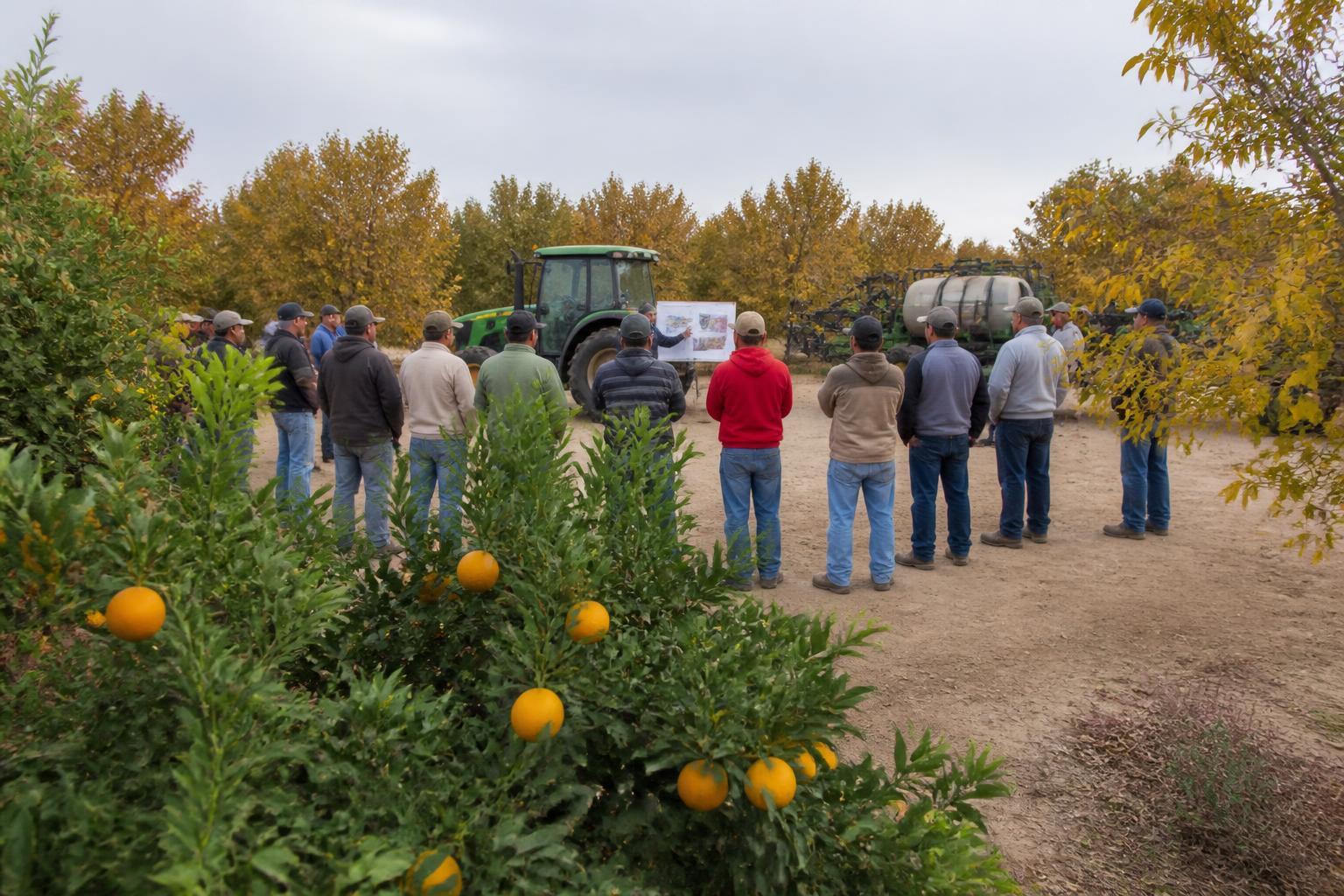
The California agricultural sector is moving into a busy harvest window, characterized by intense field activity and a focus on operational efficiency. As producers look to manage input costs and logistics, staying ahead of local regulatory adjustments and pest pressures remains a top priority for agribusinesses across the state.
Adapting to Evolving Crop Protection Standards
Growers are increasingly navigating a more complex regulatory environment regarding crop protection. Recent policy shifts, including updates to pesticide approvals and the implementation of new bans, require proactive farm management. For many, the introduction of alternative solutions, such as the recently approved preventive biofungicide Romeo CA, offers a potential path to maintain crop health while aligning with changing state guidelines. These transitions often necessitate a recalibration of integrated pest management (IPM) strategies to ensure long-term sustainability.
Addressing Emerging Field Challenges
Beyond regulatory hurdles, California farmers are managing new biological threats. Recent reports of a virus impacting celery crops underscore the importance of vigilant monitoring in the field. Local operators are encouraged to work closely with extension services and peer networks to identify symptoms early. Addressing such pressures is essential for maintaining yield quality as harvest logistics continue to tighten across major corridors. For insights on managing these peak season pressures, refer to California harvest logistics to optimize your supply chain.
Market Outlook and Regional Trends
The economic outlook shows potential for strengthening prices in the grains sector, providing some stability for producers adjusting to these diverse field challenges. As supply chains remain sensitive during the fall, managing transport and storage becomes critical. Producers should review established guidelines to ensure efficient field access and export flow during this period. Additionally, as consumer interest in organic products continues to reshape demand, California growers remain uniquely positioned to leverage these market preferences through careful planning and adherence to rigorous standards.
What it means for the market
For California agribusinesses, the intersection of new biological threats and changing chemical regulations emphasizes the need for flexible, data-driven farming practices. While market sentiment for commodities remains constructive, successful operations this season will likely hinge on the ability to integrate new protective technologies swiftly and maintain fluid logistics amidst a high-demand fall harvest window.
Comments
No comments yet - be the first to share your take.