
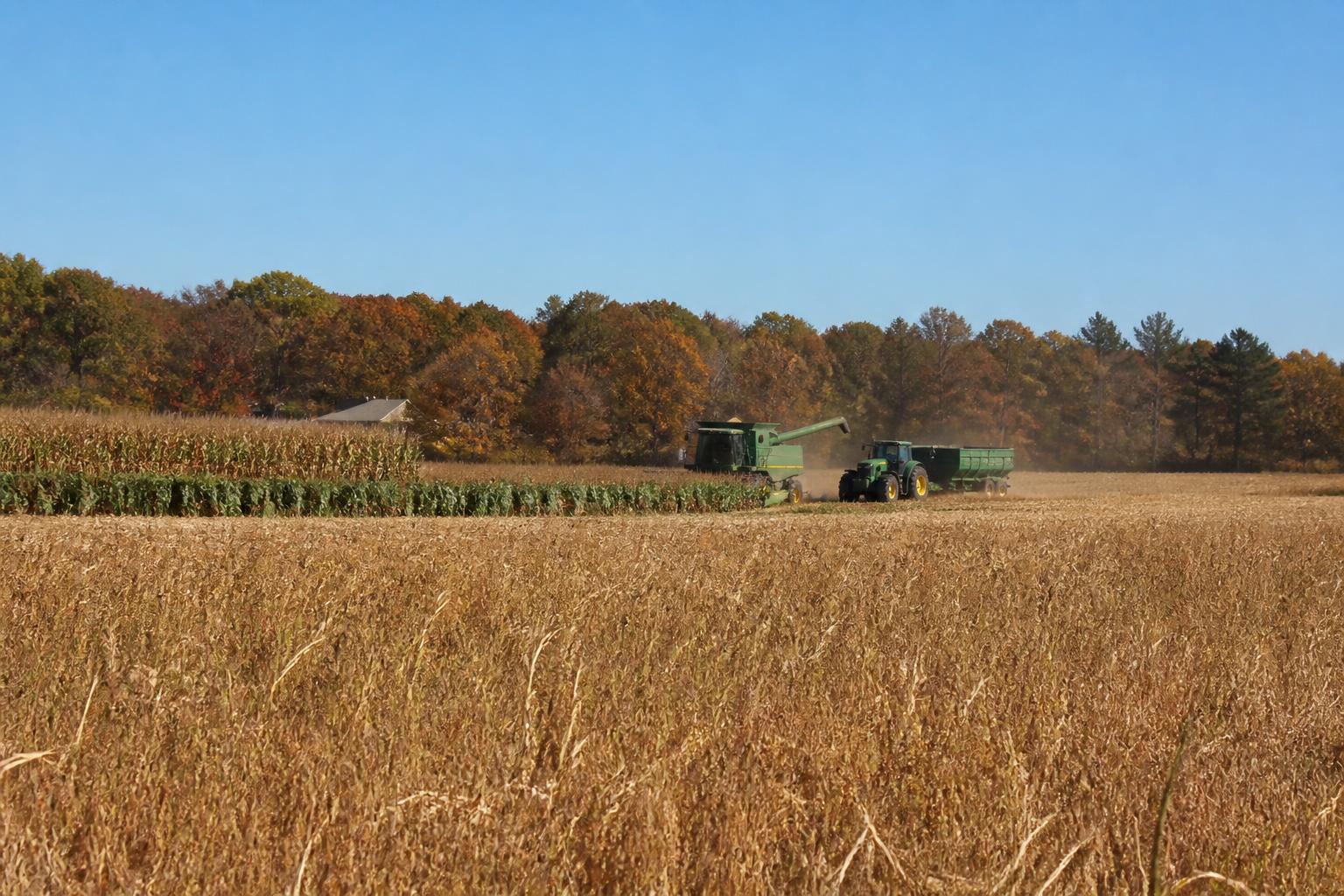
As the fall harvest season gathers pace in Virginia, growers across the Commonwealth are evaluating their crop management strategies to stay competitive. While local producers continue to focus on traditional grain rotations, the broader agricultural landscape is increasingly shaped by how effectively these commodities can be moved to domestic and global markets. Efficiency at the farm level remains a critical priority for maintaining thin margins in an evolving economic environment.
Infrastructure remains a cornerstone of the conversation for local agribusinesses. Recent developments, such as the ground-breaking on the new intermodal export facility in Portsmouth, signal a long-term commitment to enhancing the state's logistical capacity. For those looking to streamline their harvest logistics, staying informed about these regional hubs can be essential for reducing bottlenecks during peak delivery windows.
Refining Operations in a Competitive Market
For many Virginia farmers, maximizing output starts with field-level decisions. Maintaining a diverse portfolio of crops, including regional staples like peanuts and corn, has proven to be a resilient strategy for many families. However, adapting to fluctuating demand often requires more than just crop selection; it necessitates a keen understanding of optimized supply chain flows to ensure that grain reaches elevators and processing facilities without unnecessary delays.
As producers prepare for end-of-season assessments, the focus shifts toward managing moisture levels and securing reliable transport partners. With logistics and infrastructure outlooks remaining a key variable this fall, growers are encouraged to communicate early with their buyers to align delivery schedules with the capacity of local storage sites.
What it means for the market
For the average Virginia grain producer, the coming weeks are about patience and preparation. While national trends regarding productivity and trade policies may create uncertainty, regional success will likely continue to hinge on tactical logistics. By prioritizing local storage efficiency and aligning with the latest intermodal developments in coastal port regions, farmers can better position themselves to mitigate the risks of seasonal traffic and potential delivery constraints.
Comments
No comments yet - be the first to share your take.