
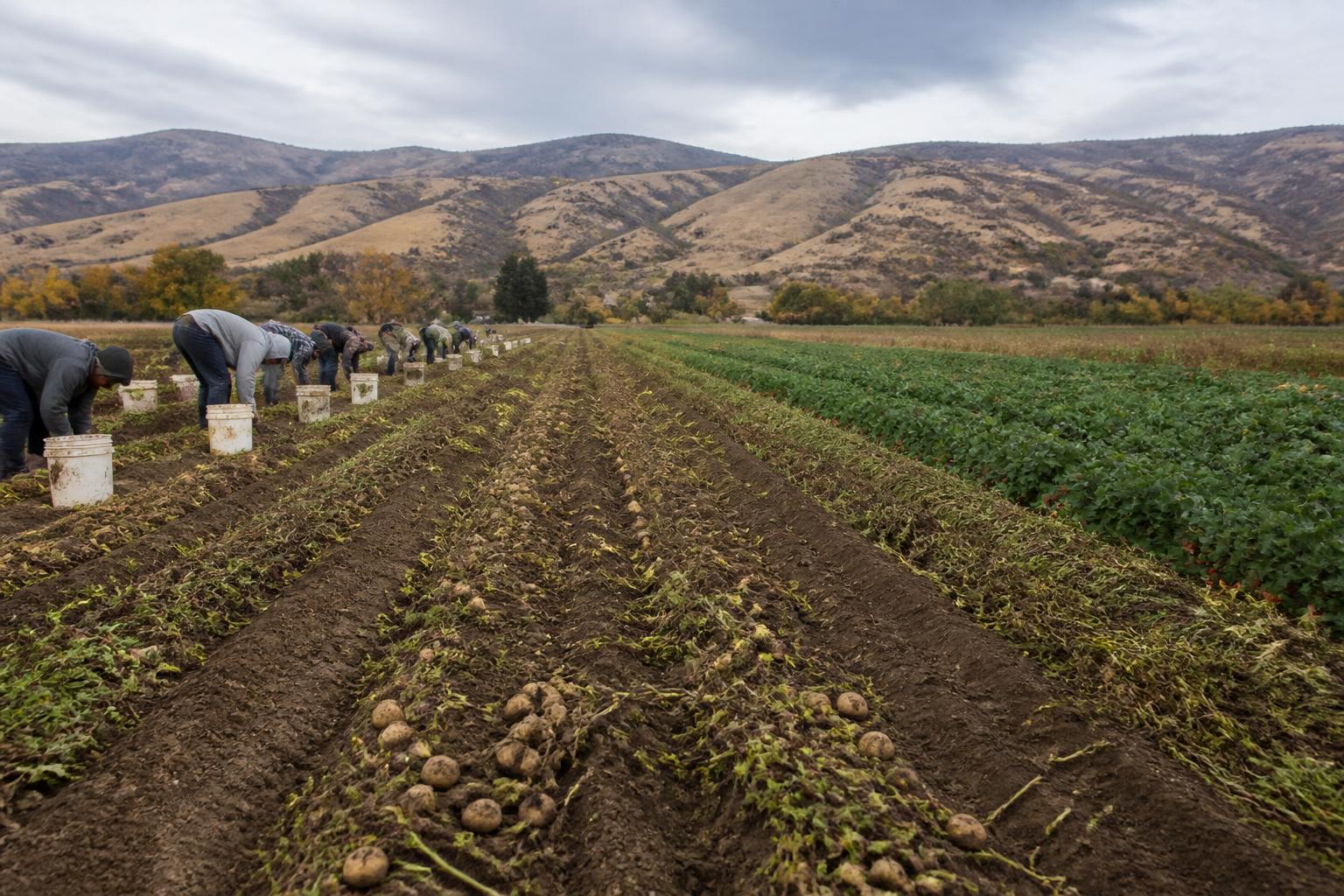
As the fall harvest season accelerates, Idaho producers are deep in the cycle of bringing in key commodities. From the expansive potato fields that define the state’s agricultural identity to the specialized crops like dry peas and lentils, the logistical tempo is rising. Effectively managing the movement of this produce is a top priority for growers and handlers alike as they aim to minimize bottlenecks at receiving facilities and elevators.
Managing Field Operations and Resource Protection
Harvest progress often brings farmers into direct contact with wildlife and environmental challenges. In areas like Unit 32, for instance, producers have been looking at integrated plans to reduce agricultural damage caused by elk herds on private land. These proactive measures are essential for protecting yields and maintaining the long-term viability of high-value acreage.
Furthermore, the focus on navigating regulatory and operational shifts in Idaho agriculture remains a critical component of day-to-day management. Whether it is addressing water usage efficiency—where recent research suggests that potato fields may be consuming less water than once estimated—or coordinating labor for high-heat conditions, staying ahead of operational adjustments can prevent significant delays.
Input Market and Logistical Outlook
Beyond the field, the broader input market is experiencing subtle shifts. Demand for phosphate rock, driven by sectors such as electric vehicle manufacturing, continues to influence fertilizer supply chains. Meanwhile, regional logistics hubs like the Port of Lewiston remain central to maintaining the export flow, especially for pulses, which continue to show resilience in global trade.
For growers and agribusinesses, this season underscores the need for tight integration between field activities and supply chain management. Ensuring that equipment, labor, and storage solutions are aligned is vital to weathering the volatility currently squeezing margins across the sector.
What it means for the market
Market participants should keep a close eye on regional infrastructure capacity as harvest volume peaks. Success in the coming weeks will likely depend on the ability of producers to balance operational costs with protective strategies that defend their land and bottom lines against both biological pressures and input cost fluctuations.
Comments
No comments yet - be the first to share your take.