
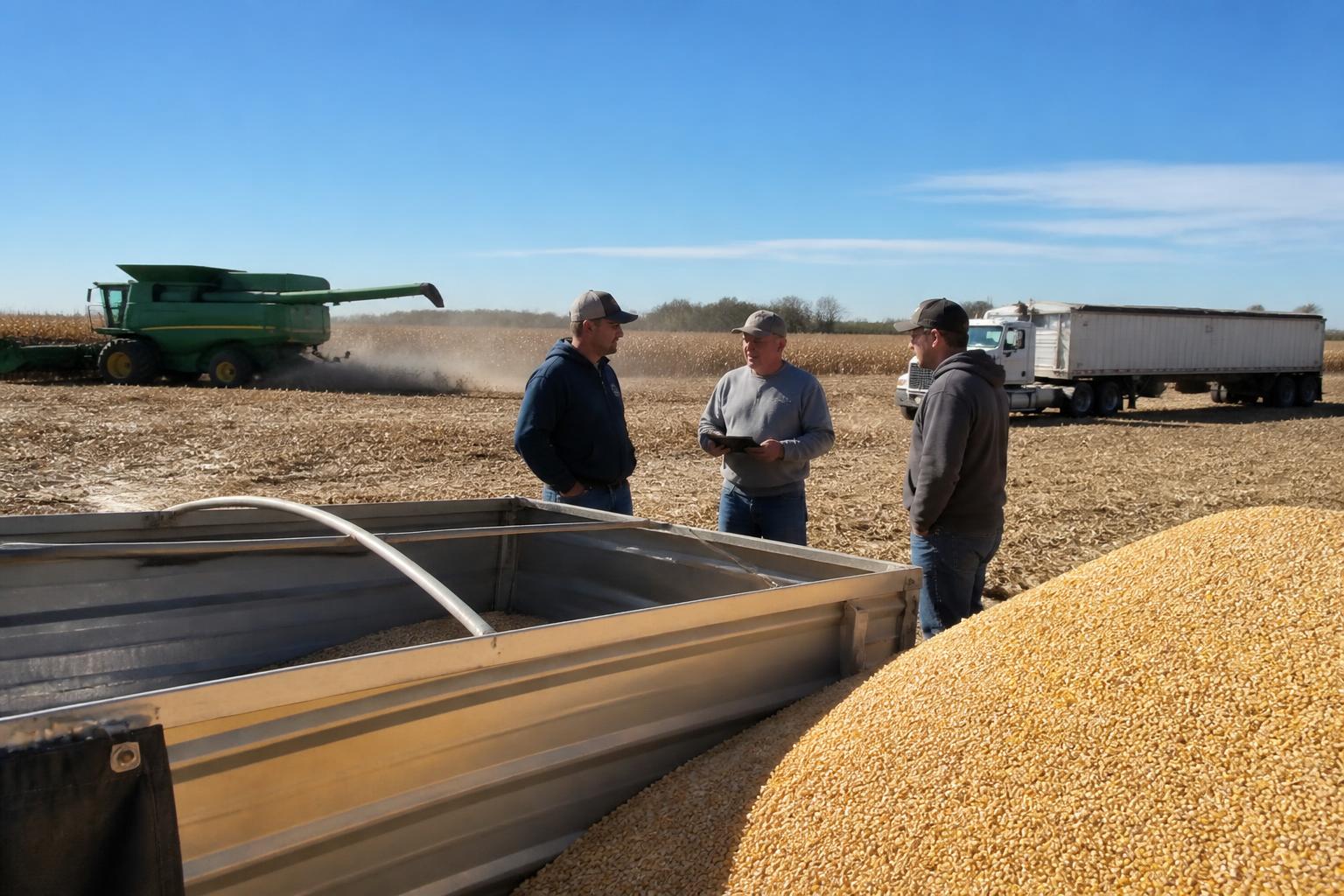
As Illinois producers shift focus toward the fall harvest, the agricultural landscape remains tightly constrained by a confluence of rising operational expenses and logistical hurdles. Farmers across the state are currently re-evaluating their cost structures, particularly as concerns mount regarding potential volatility in input pricing and the long-term accessibility of essential crop protection tools.
For those managing logistics during the Illinois harvest season, the margin for error remains thin. Beyond equipment maintenance and grain storage capacity, industry observers point to the tightening of specialized labor markets as a factor that may further complicate the efficient movement of crops from fields in the heart of the Corn Belt to regional elevators and ports.
Input Cost Pressures and Regulatory Uncertainty
The conversation regarding production expenses has intensified, with stakeholders highlighting how rising operational costs for Illinois producers continue to weigh on net profitability. This is compounded by ongoing regulatory debates, such as those surrounding herbicide availability. Many growers have expressed concern over proposed import duties on critical inputs like glyphosate, which could create significant price shocks for the upcoming planting cycle if implemented.
Strategic risk management is no longer optional. As producers look to stabilize their bottom lines, there is a growing emphasis on optimizing chemical application schedules and exploring conservation programs. Engaging with local advisors on these topics may provide a pathway to offset some of the inflationary pressures impacting the broader sector.
Infrastructure and Market Access
Efficient market access continues to be a priority for the Illinois agribusiness community. The recent activity in grain asset acquisition highlights a broader push to modernize infrastructure, aiming to keep pace with the state's significant production volume. Whether navigating the logistical complexities of the ag transport sector or evaluating storage alternatives, the ability to move grain quickly remains a defining factor for success as we move deeper into the fall.
What it means for the market: For farmers and handlers, the current environment demands a proactive approach to supply chain management. By tightening control over variable costs and staying informed on shifting transport regulations, stakeholders can better protect their margins against the seasonal volatility typical of this harvest period.
Comments
No comments yet - be the first to share your take.