
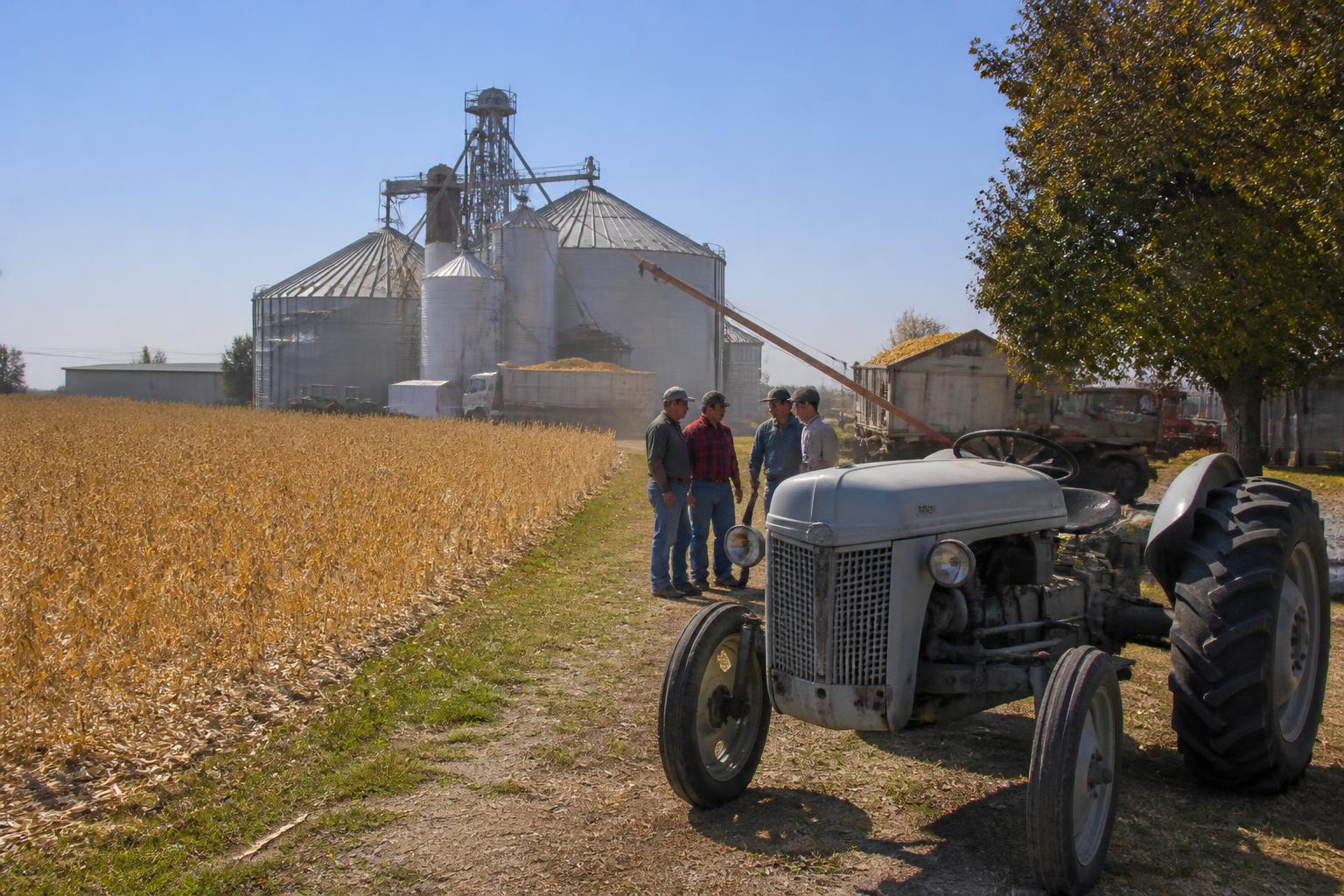
With the autumn harvest season now in full swing, Wisconsin producers are facing a significant logistical hurdle: a shortage of available space at local grain elevators. As fields across the state reach maturity, the rapid influx of new corn is outpacing the storage capacity of many regional facilities, creating mounting pressure on producers to manage their own inventory more aggressively.
This storage crunch is forcing a transition in how growers manage their post-harvest operations. Many are finding that the ability to store grain on-farm is no longer just a strategic advantage, but a necessity to avoid being sidelined by full intake bins at commercial sites. The current environment highlights the critical importance of evaluating modernized grain storage infrastructure to maintain operational flexibility when local demand reaches capacity.
Managing the Flow Under Tight Constraints
The strain on elevator space often ripples through regional supply chains, impacting everything from transport scheduling to the timing of grain sales. Growers in major producing counties are navigating this bottleneck by coordinating closely with their primary handlers. Producers are encouraged to maintain clear communication regarding delivery windows, as the combination of high yield expectations and storage limitations often necessitates a change in traditional delivery patterns.
Moreover, the logistics of moving grain remain subject to the broader pressures of regional transportation cycles. The ongoing need for reliable grain logistics management is essential as farmers look to bridge the gap between their fields and the remaining available capacity at terminal points.
What it means for the market
For the Wisconsin agricultural sector, this season serves as a reminder of the volatility inherent in harvest-time logistics. While the focus remains on getting the crop out of the field, the inability to move product efficiently into long-term storage can erode margins. Moving forward, the industry will likely see continued interest in on-site storage upgrades and a greater emphasis on localized, flexible transport arrangements to navigate these recurring seasonal capacity limits.
Comments
No comments yet - be the first to share your take.