
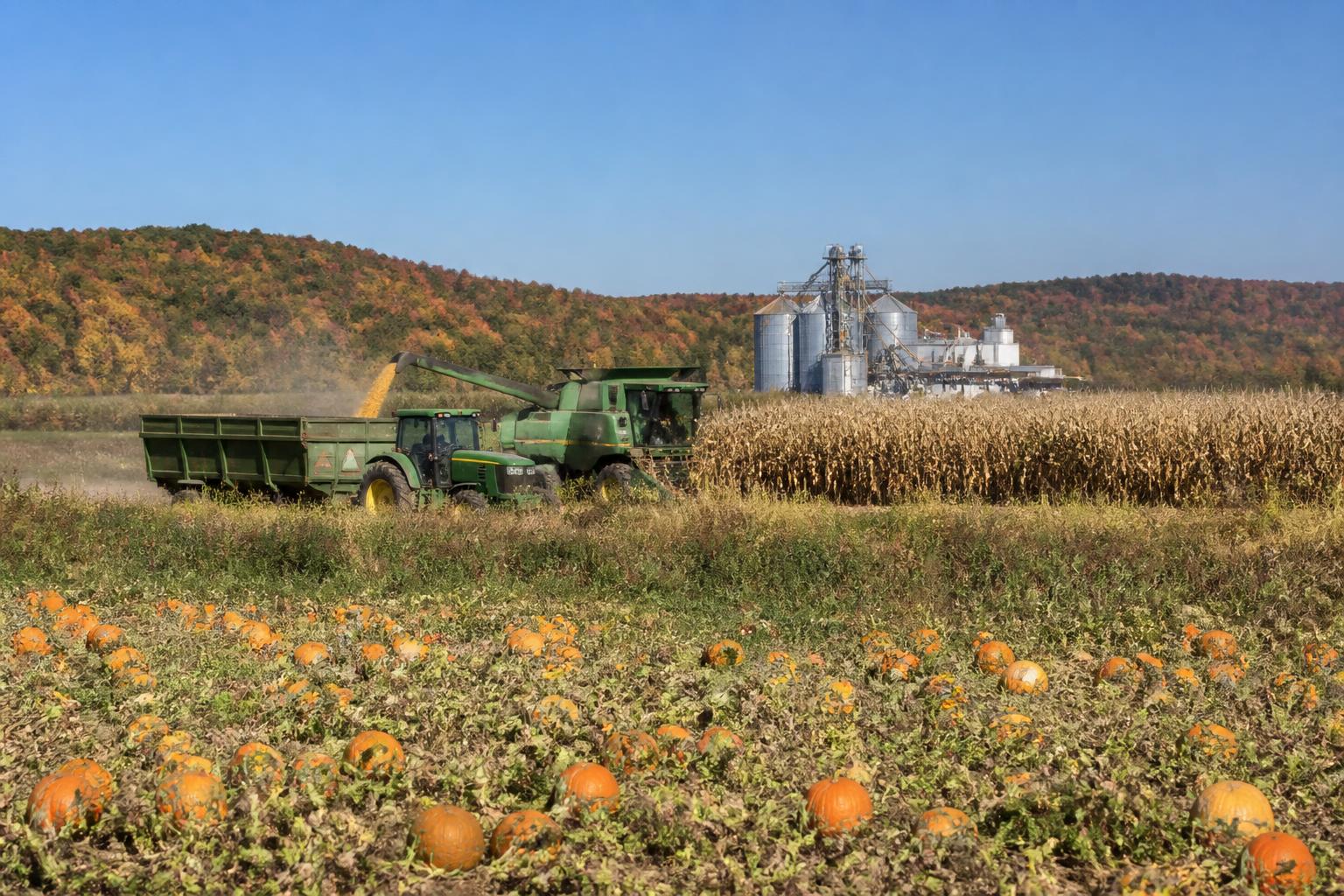
As New York transitions into the peak of the fall season, regional agricultural operators are focusing heavily on logistics efficiency and supply chain resilience. With the harvest window narrowing and nutrient management needs shifting, the ability to move inputs and commodities effectively remains a priority for local elevators and transport providers.
Recent capital support, such as the infusion of federal funding into fertilizer infrastructure in the Avon region, highlights the ongoing commitment to bolstering the state's internal supply chain. These facility enhancements typically allow for better handling and storage capacities, which can prove critical when seasonal demand spikes during the fall application window. Improved throughput at these nodes helps minimize wait times for carriers, ensuring that fertilizer reaches fields without unnecessary delays.
Logistics and Market Coordination
Beyond facility upgrades, the coordination of regional agricultural teams plays a vital role in navigating the complexities of the current market. As outlined in our coverage of New York agricultural logistics, maintaining clear communication between carriers and producers is essential for managing the flow of goods across major corridors. Reliable transportation is the backbone of regional productivity, and consistent performance across both input delivery and output transport supports broader economic stability for agribusinesses across the state.
For those managing heavy loads during the harvest, regional infrastructure remains a focal point for long-term viability. As discussed in our piece on navigating structural shifts in agribusiness, keeping a close eye on transport constraints is advisable, particularly as rural road conditions fluctuate with the changing weather patterns characteristic of late September.
Building Operational Resilience
As the sector moves through the fall, industry participants are encouraged to stay informed about local grant opportunities and technological shifts that may influence day-to-day operations. Programs aimed at fostering youth involvement in local agriculture and community fairs underscore the importance of long-term succession and operational continuity. Staying active in regional networks, including those supported by local cooperative extension services, often provides the tactical advantage needed to navigate the evolving logistics landscape effectively.
What it means for the market
For New York farmers and grain handlers, the focus on local infrastructure and refined logistics planning suggests a shift toward more centralized efficiency. By leveraging upgraded facilities and staying aligned with regional network updates, market participants can better insulate themselves from broader, unpredictable supply chain disruptions as they wrap up the final stages of the fall season.
Comments
No comments yet - be the first to share your take.