
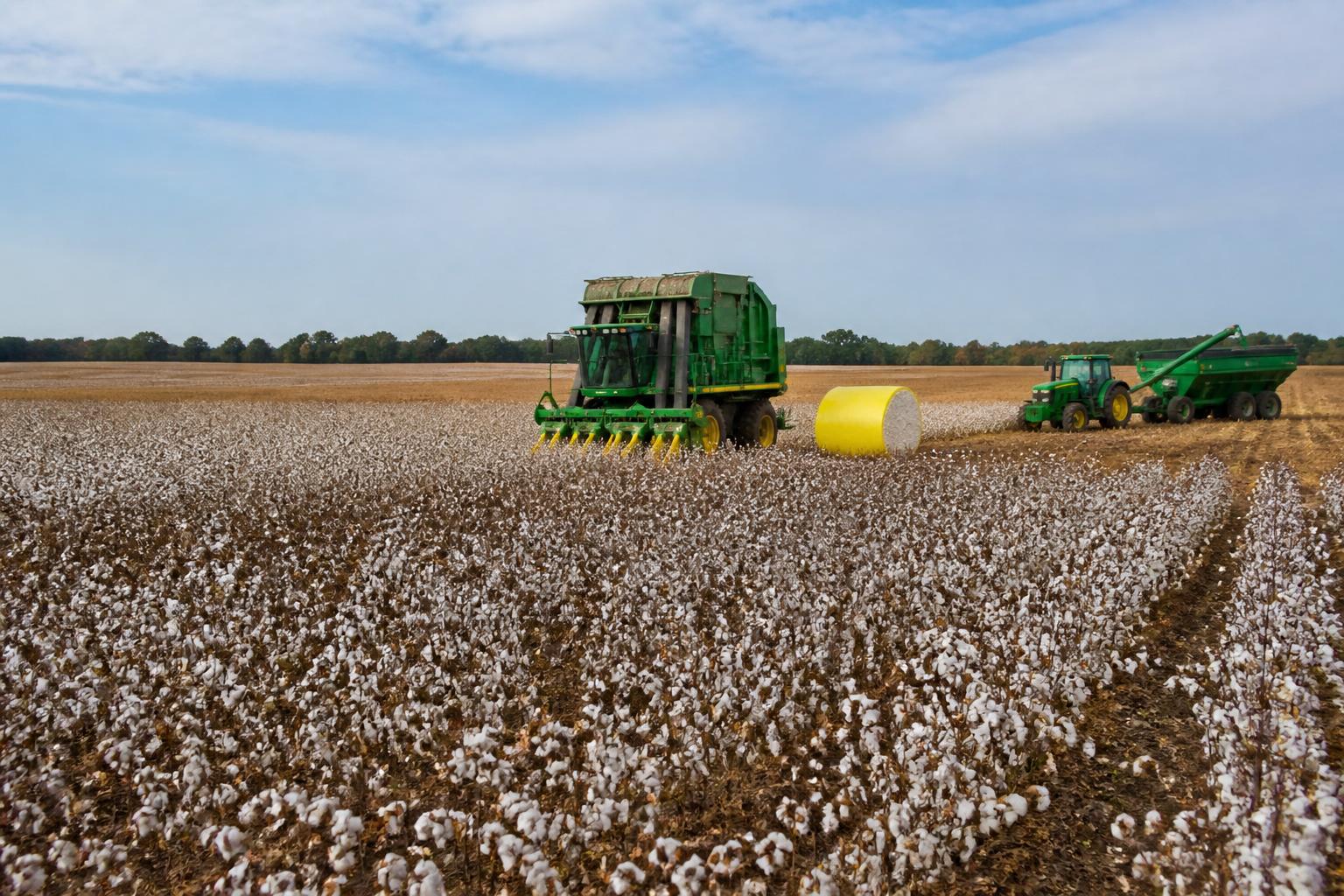
As the fall harvest season accelerates across Arkansas, agricultural producers are increasingly focused on balancing immediate field logistics with long-term input sustainability. With recent reports indicating that significant portions of the state have faced intensified drought conditions, field management remains a primary concern for growers aiming to maintain efficiency amidst tightening margins.
Strategic input management has become a critical focal point, particularly for those operating in the fertile regions of the Arkansas Delta. Many producers are exploring ways to reduce reliance on intensive chemical applications by prioritizing soil health improvements, which can help mitigate the impact of environmental stressors on late-season crop development.
Optimizing Crop Protection Strategies
Effectively managing pest and weed pressures remains a cornerstone of navigating a shifting acreage landscape across the state. In rice production, in particular, growers are working to stay ahead of persistent threats like barnyardgrass, which requires precise timing for herbicide applications to avoid compromising yield quality. Beyond weed control, the integration of new seed technologies and treatment innovations continues to provide options for farmers looking to enhance fiber quality and resilience in row crops.
Producers are encouraged to remain diligent in their scouting efforts. As the harvest windows narrow, ensuring that crop protection investments align with current field-level data can help prevent unnecessary expenditure while safeguarding the season's bottom line. For those interested in deeper tactical adjustments, reviewing strategic input management for fall planning offers a practical framework for adjusting chemical applications to match specific regional pressures.
Maintaining Operational Resilience
The current agricultural environment demands a high degree of adaptability. Whether dealing with moisture deficits or managing complex input portfolios, the focus for many remains on efficiency. Understanding how to balance input costs for late-season success is essential for operations looking to preserve capital in the face of forecasted fluctuations in net farm income.
What it means for the market: As the fall harvest proceeds, the demand for precision input tools and water-efficient crop protection solutions is likely to remain high. Growers who successfully leverage soil health and targeted protection strategies are better positioned to weather the current economic and environmental headwinds, providing a more stable outlook for local agribusinesses and grain handlers as the season concludes.
Comments
No comments yet - be the first to share your take.