
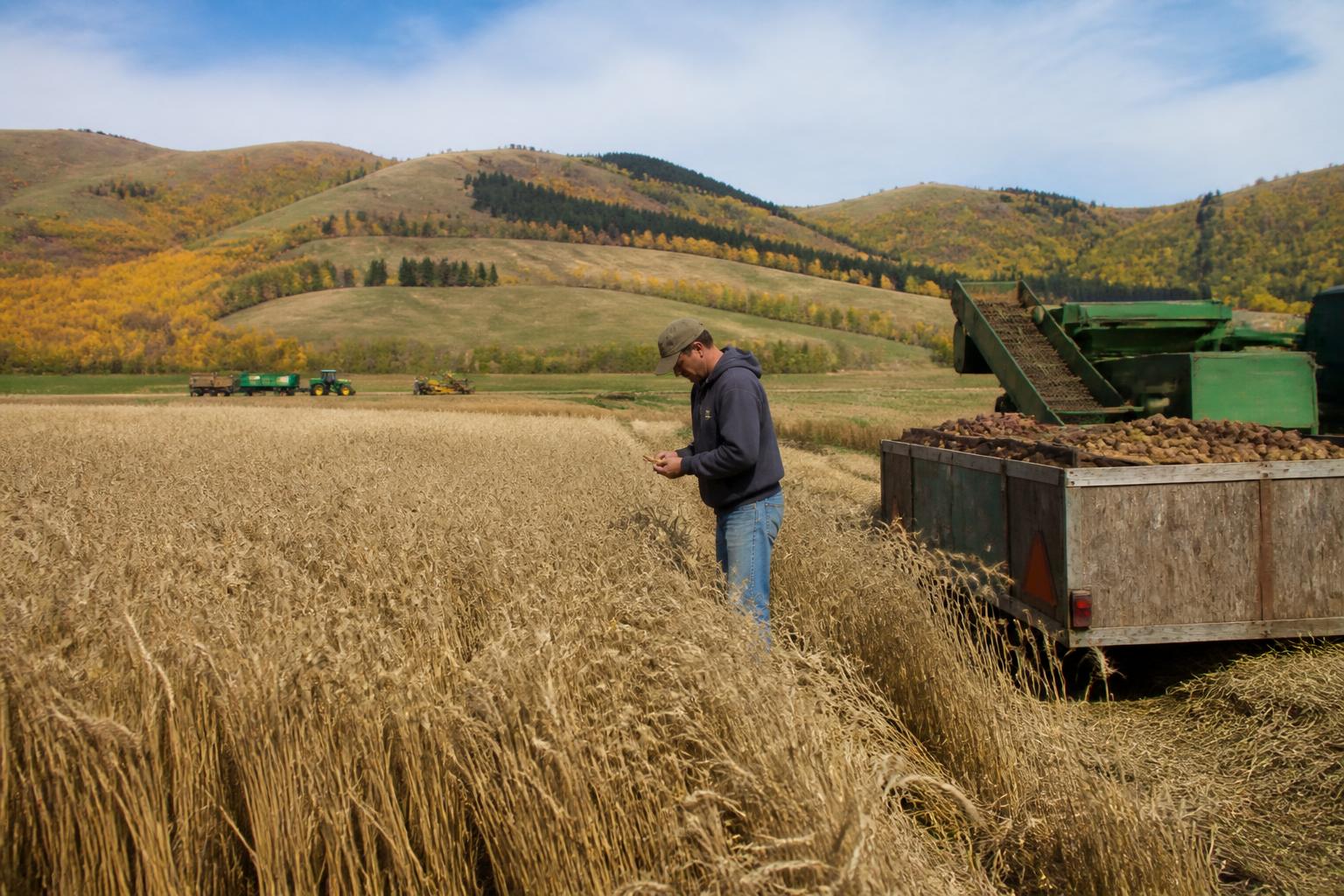
As the fall harvest season gathers momentum across Idaho, agricultural producers are shifting their focus from field management to the complex realities of storage and market movement. Recent seasons have highlighted the resilience of regional output, with some growers reporting record yields that underscore the productivity of Idaho’s diverse microclimates. However, this production success often introduces logistical pressure on local elevators and transport corridors as the state prepares for heavy seasonal movement.
For those managing the flow of commodities from the field to the terminal, staying ahead of regional bottlenecks is essential. While production numbers have shown positive historical trends, the current market climate remains influenced by broader economic factors, including trade dynamics and input costs that can impact overall profitability. Producers are encouraged to maintain clear communication with local storage facilities regarding delivery windows to mitigate the risk of congestion at loading sites.
Managing On-Farm Logistics During Peak Harvest
The intensity of the autumn window requires careful coordination of equipment and labor. In regions spanning from the eastern plains to the rolling hills of the Palouse, timing is everything. Market participants in Idaho often find that early engagement with logistics partners can provide a necessary buffer against the tightening capacity typically seen as trucks are pulled into peak seasonal activity. Beyond immediate transport, securing adequate storage capacity remains a priority for growers aiming to leverage future price fluctuations rather than moving all inventory at the point of harvest.
Assessing Long-Term Market Stability
While current field conditions allow for a productive harvest, the broader ag outlook in Idaho reflects a sense of cautious optimism. Industry seminars and local stakeholder discussions frequently point to the importance of monitoring how global trade policies and shifting agricultural infrastructure needs will affect local price points in the coming year. Understanding these macro variables is as critical as monitoring local moisture levels or managing soil health for the next rotation.
Key Takeaways for Producers
- Prioritize early scheduling for grain transport to avoid potential peak-season bottlenecks.
- Utilize localized market data to evaluate storage versus immediate sale options.
- Monitor regional infrastructure updates that may influence regional grain handling capacity.
What it means for the market: The blend of strong yield potential and global market pressure creates a complex environment for Idaho’s grain sector. Success this season will likely hinge on the efficiency of supply chain management and the ability of producers to navigate storage limitations while keeping a close eye on shifts in trade conditions that influence long-term pricing.
Comments
No comments yet - be the first to share your take.