
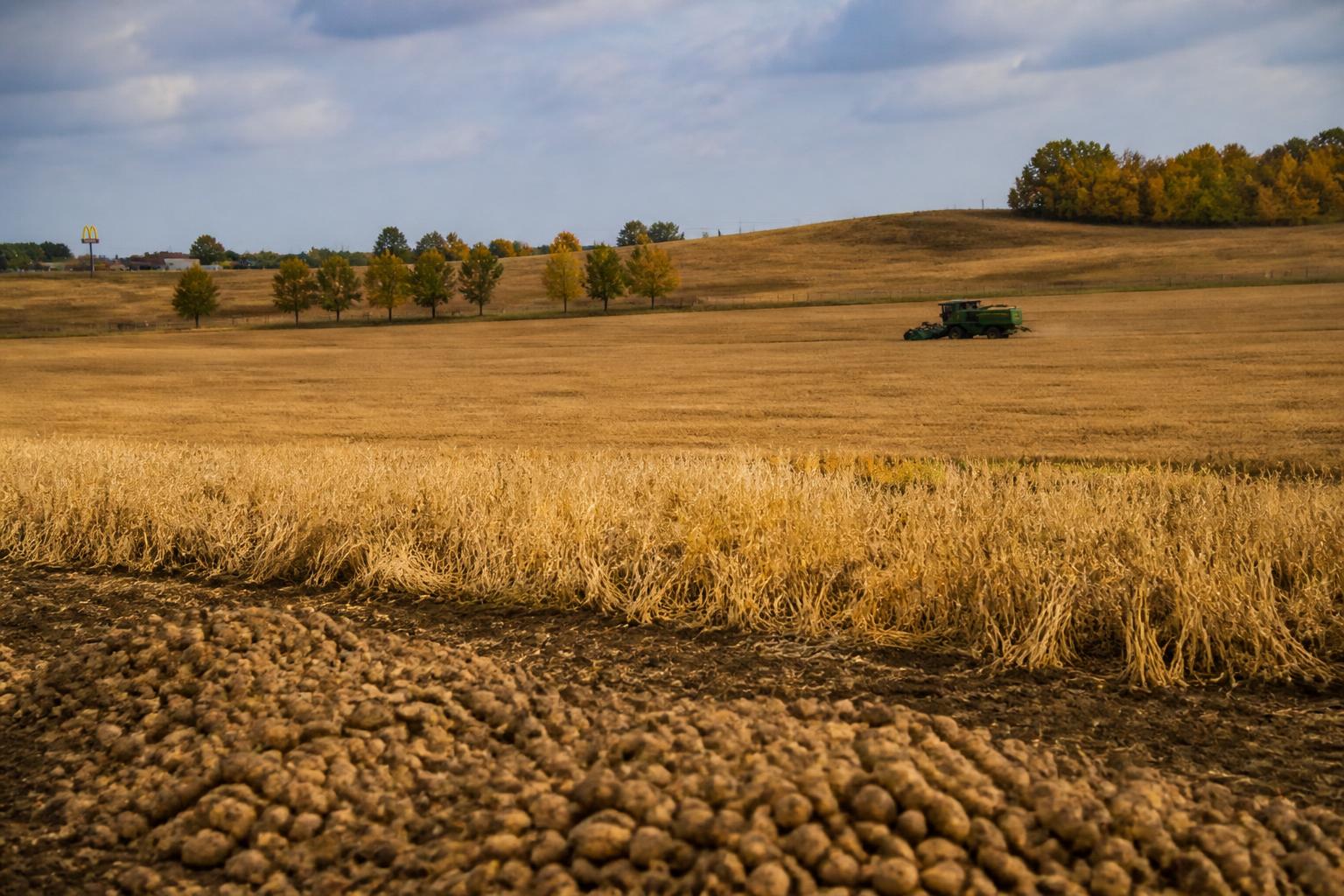
As harvest activity ramps up across North Dakota, producers and grain handlers are focusing on logistics and infrastructure capacity. The state's agricultural landscape continues to experience shifts in storage and processing capabilities, which play a critical role in managing seasonal throughput during the busiest months of the year.
Recent movements in the regional market indicate that grain facility management remains a dynamic sector. Strategic acquisitions of local infrastructure continue to shape how commodities are collected and distributed, potentially altering the competitive environment for growers looking to optimize their grain marketing strategies and current local pricing. Efficient handling is particularly essential as logistical bottlenecks can often emerge during the peak of the fall season.
Input Storage and Operational Resilience
For many North Dakota agribusinesses, the conversation has increasingly turned toward expanding input storage capacity. Fertilizer availability and supply chain stability are top-of-mind for operators as they look ahead to future planting cycles. There is ongoing discussion regarding policy adjustments that could support the development of more robust fertilizer storage facilities within the state, which may eventually provide a buffer against global supply fluctuations.
Adapting to Market Variability
The regional market also reflects broader industry trends, including a focus on research and development. New initiatives in crop breeding programs, such as those recently launched by industry players in the state, suggest a long-term commitment to enhancing productivity and crop resilience. Despite challenges such as market volatility and logistical hurdles that North Dakota growers manage during the late-season window, the state remains a pivotal hub for both traditional cereal grains and pulse crops.
What it means for the market
The current landscape suggests that producers who prioritize early coordination with grain facilities and monitor regional storage capacity may be better positioned to navigate potential logjams. As the industry evolves, maintaining flexibility in both input procurement and grain delivery will be key to managing the operational highs and lows inherent in North Dakota's diverse agricultural sector.
Comments
No comments yet - be the first to share your take.