
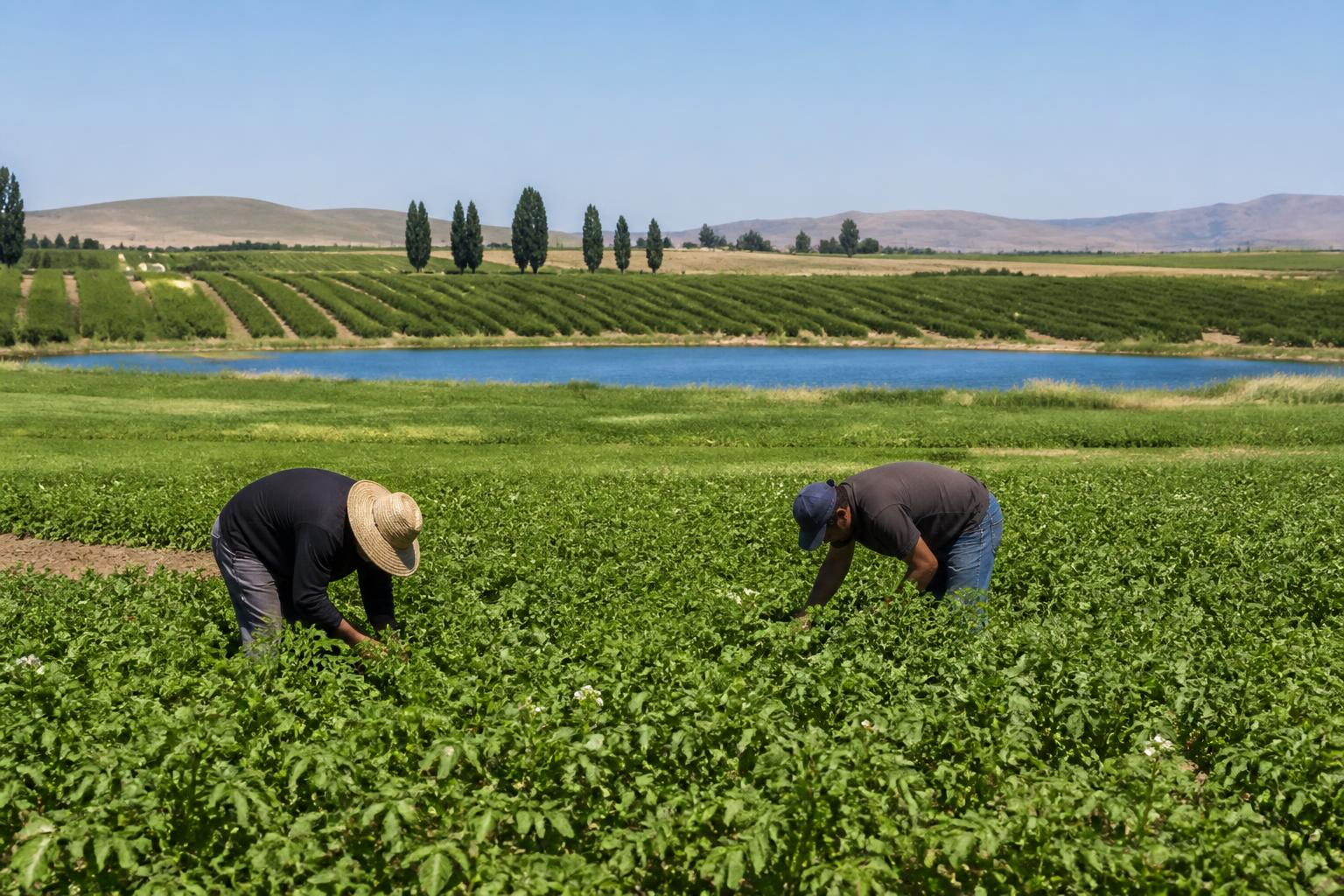
As summer settles over Idaho, the state's grain producers and agribusinesses are closely monitoring both the skies and federal policy. Water scarcity has emerged as a primary concern for growers across the Gem State, driving a collective push for robust risk management tools. With the federal Farm Bill advancing toward the Senate, local producers are hoping for legislative relief to offset mounting resource challenges.
Idaho's agricultural landscape relies heavily on a delicate balance of dryland farming and complex irrigation networks. This June, the tightening water supply is pushing water management to the forefront of operational planning. For grain handlers and input buyers, these environmental pressures are reshaping expectations for the upcoming harvest season.
The Water Squeeze and the Farm Bill
Water availability is the defining issue for many Idaho farms this season. Producers in irrigated regions, particularly along the Snake River Plain, are facing potential supply limits that could restrict late-season watering for spring grains. These supply constraints have intensified the agricultural community's interest in federal crop insurance and conservation programs. Growers navigating these dry conditions can review the Idaho wheat market challenges and opportunities to better understand how regional environmental pressures influence local prices.
As the Farm Bill makes its way through legislative channels, Idaho grain advocates are emphasizing the need for robust safety nets. Adequate funding for modernization of irrigation infrastructure and drought mitigation is critical. Without these policy cushions, prolonged dry spells could force shifts in planting intentions for future seasons, potentially reducing the acreage dedicated to water-intensive grain varieties.
Regional Realities: The Palouse to Southern Idaho
The impact of this summer's dry conditions varies significantly by region. In the northern Palouse, famous for its rolling hills and deep soils, dryland grain production relies almost entirely on seasonal precipitation and stored soil moisture. Growers in these northern counties are keeping a close watch on soil profiles, as spring wheat and barley require timely June rains to reach optimal yields.
In contrast, southern Idaho's grain production is highly dependent on reservoir storage and managed aquifer recharge systems. When water allocations are reduced, growers must make tough choices regarding crop prioritization, sometimes diverting water away from lower-value grains to high-value specialty crops. This regional dynamic often creates localized fluctuations in grain supply, affecting regional elevators and local feed markets.
Logistics and Crop Management Under Strain
With water restrictions threatening potential yields, maximizing efficiency on the ground is paramount. Grain handlers and transport carriers are coordinating closely to ensure that the logistics chain remains fluid. Keeping Idaho's wheat and barley moving efficiently along key transport corridors, such as US-95 and Interstate 84, toward Pacific Northwest export terminals is crucial for maintaining market competitiveness.
At the same time, agribusinesses are adjusting their crop input strategies. Fertilizer applications and pest management plans are being tailored to crops under moisture stress, ensuring that inputs are utilized as efficiently as possible to protect thin margins. Elevated resource management is proving essential to preserving grain quality and test weights ahead of the summer harvest.
What it means for the market
For the broader market, Idaho's summer grain outlook suggests a tight local supply scenario that could support regional basis levels, particularly for high-quality milling wheat. While logistics channels remain open and functional, the overarching constraint of water scarcity means that buyers must monitor local crop progress closely. Agribusinesses should prepare for potential yield variability and stay aligned with legislative developments in Washington, as the final details of the Farm Bill will set the tone for long-term risk management in the region.
Comments
No comments yet - be the first to share your take.