
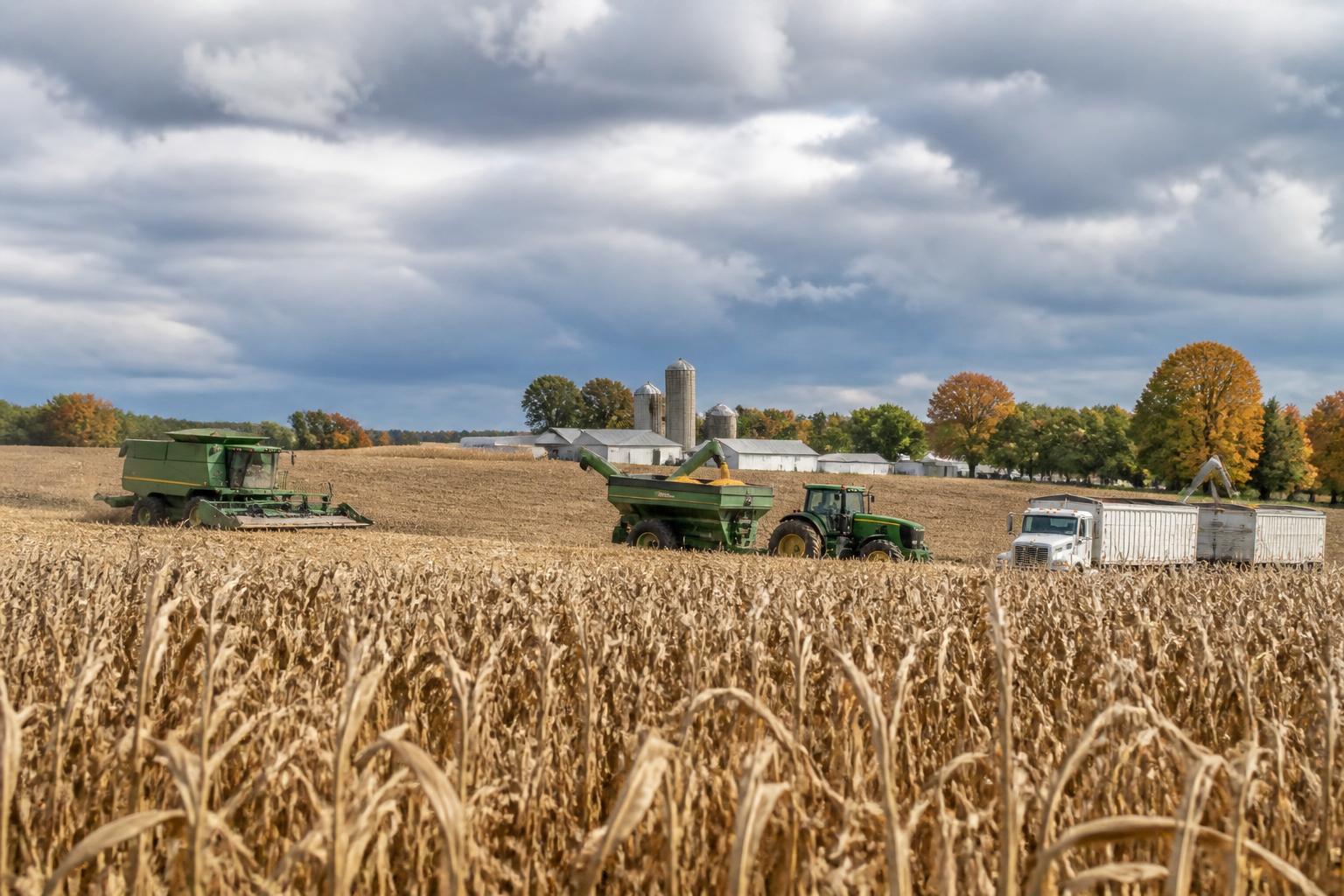
With the calendar turning toward the peak of the fall season, Ohio farmers are shifting focus toward harvest preparations. After a growing year marked by variable moisture and regional weather patterns, the priority is now securing the crop and managing field conditions to ensure optimal outcomes. Effective risk management and field safety remain paramount as heavy equipment prepares to hit the roads and fields.
Strategies for Late-Season Crop Protection
Managing the health of standing crops remains a priority even as the harvest window draws near. Producers often utilize integrated pest management strategies to address late-season pressures that can impact grain quality. Using tools such as well-timed fungicide applications may offer the edge needed to maintain plant integrity, especially in fields that experienced extended periods of high humidity earlier in the year.
Logistics and Field Readiness
As logistics become the primary concern, attention turns to the condition of access roads and drainage infrastructure. Ohio fields, which have occasionally faced challenges with excess moisture, require careful navigation to prevent soil compaction and ensure efficient transport of grain from the field to local elevators. Maintaining clear communication with local grain handlers can help align harvest delivery schedules with elevator capacity.
What it means for the market
For Ohio agribusinesses and farmers, the current market environment highlights the importance of operational resilience. By prioritizing crop protection and meticulous field logistics, growers are better positioned to handle potential volatility and maximize the quality of the harvested crop. As the season progresses, focusing on these operational fundamentals will be a critical component of navigating the remainder of the 2026 cycle.
Comments
No comments yet - be the first to share your take.