
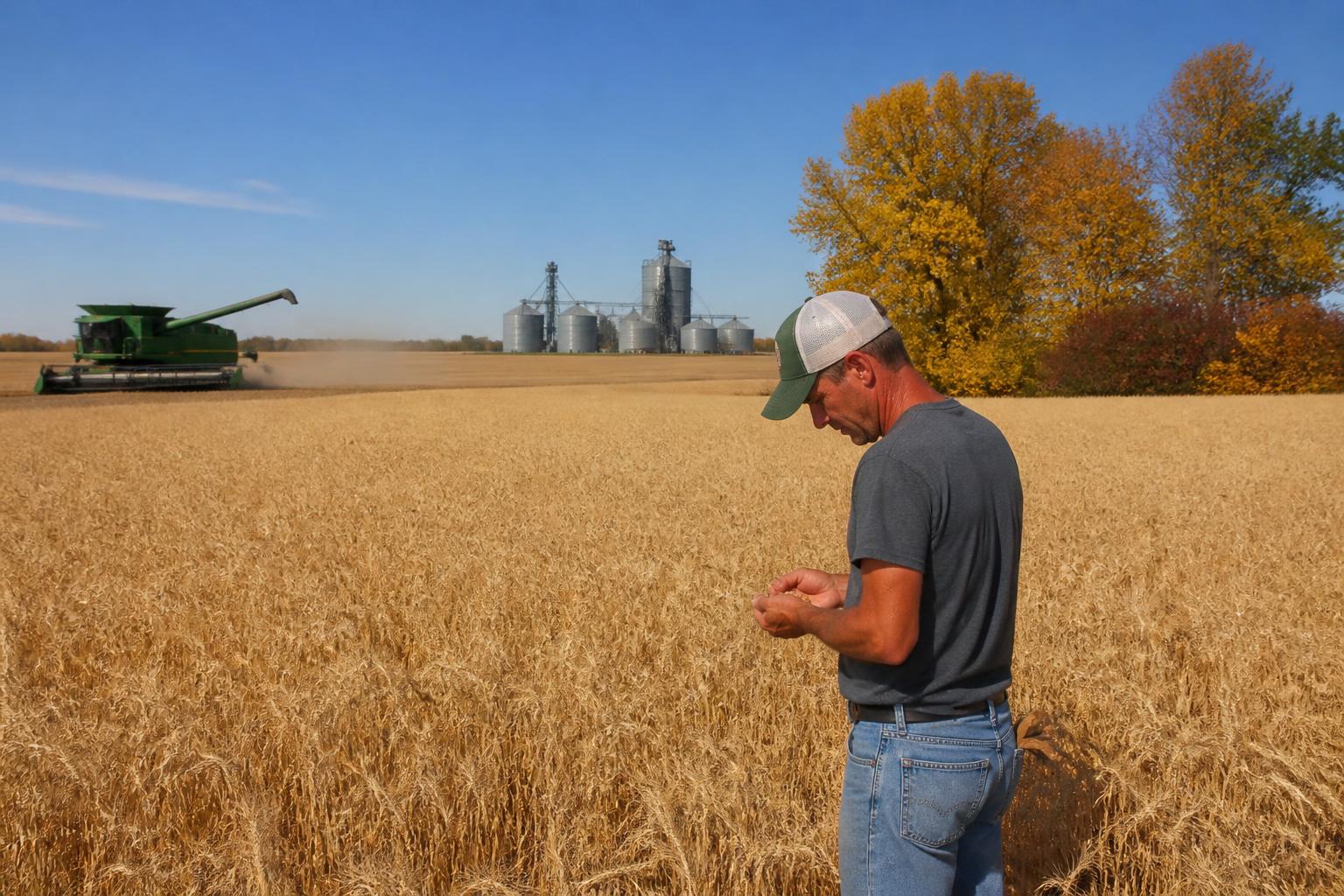
As we transition into the fall season across the plains, Kansas producers are facing a familiar mix of logistical planning and active crop protection management. While the focus naturally shifts toward harvest preparations and inventory management, maintaining vigilance against late-season agronomic threats remains critical to ensuring grain quality and maximizing yield potential.
For those managing sorghum acres, recent field reports indicate that sugarcane aphids continue to present challenges in various regions of the state. Addressing these infestations early is essential for protecting crop integrity as the season concludes. Beyond immediate pest control, farmers are increasingly looking toward integrated late-season pest management strategies to maintain long-term field health and operational efficiency.
Global Demand and Export Logistics
Market sentiment is being buoyed by renewed international interest in Kansas commodities. Recent trade agreements, including significant wheat supply deals with international partners like Taiwan and humanitarian efforts involving shipments to Kenya, highlight the state's enduring role in the global food supply chain. These developments often provide a necessary cushion for local producers, though they also underscore the importance of reliable internal transportation.
Navigating the complexities of seasonal rail and transit pressures is a recurring reality for elevators and grain handlers as they balance these export commitments against domestic storage capacity. Coordination remains a key component in successfully moving harvested grain from regional fields to major export points.
Innovation in Crop Protection
Looking ahead, the landscape for crop protection in Kansas is seeing technological shifts that may offer producers more robust tools for future seasons. Ongoing research into herbicide-resistant traits for grain sorghum, particularly efforts emerging from Kansas State University, could soon provide producers with a more effective toolkit for managing stubborn weed populations. Integrating such advancements, combined with resources like current fertilizer and input management strategies, remains a priority for those looking to tighten production costs while maintaining yield stability.
What it means for the market
For Kansas agribusinesses and farmers, the current environment demands a dual focus on tactical field management and broader logistics awareness. While pest pressure requires immediate attention to protect the bottom line, the export demand for wheat and other grains suggests that maintaining a high-quality product remains the best strategy for capturing current market premiums. Efficient storage utilization and proactive communication with logistics partners will be vital in navigating the remaining weeks of the fall season.
Comments
No comments yet - be the first to share your take.