
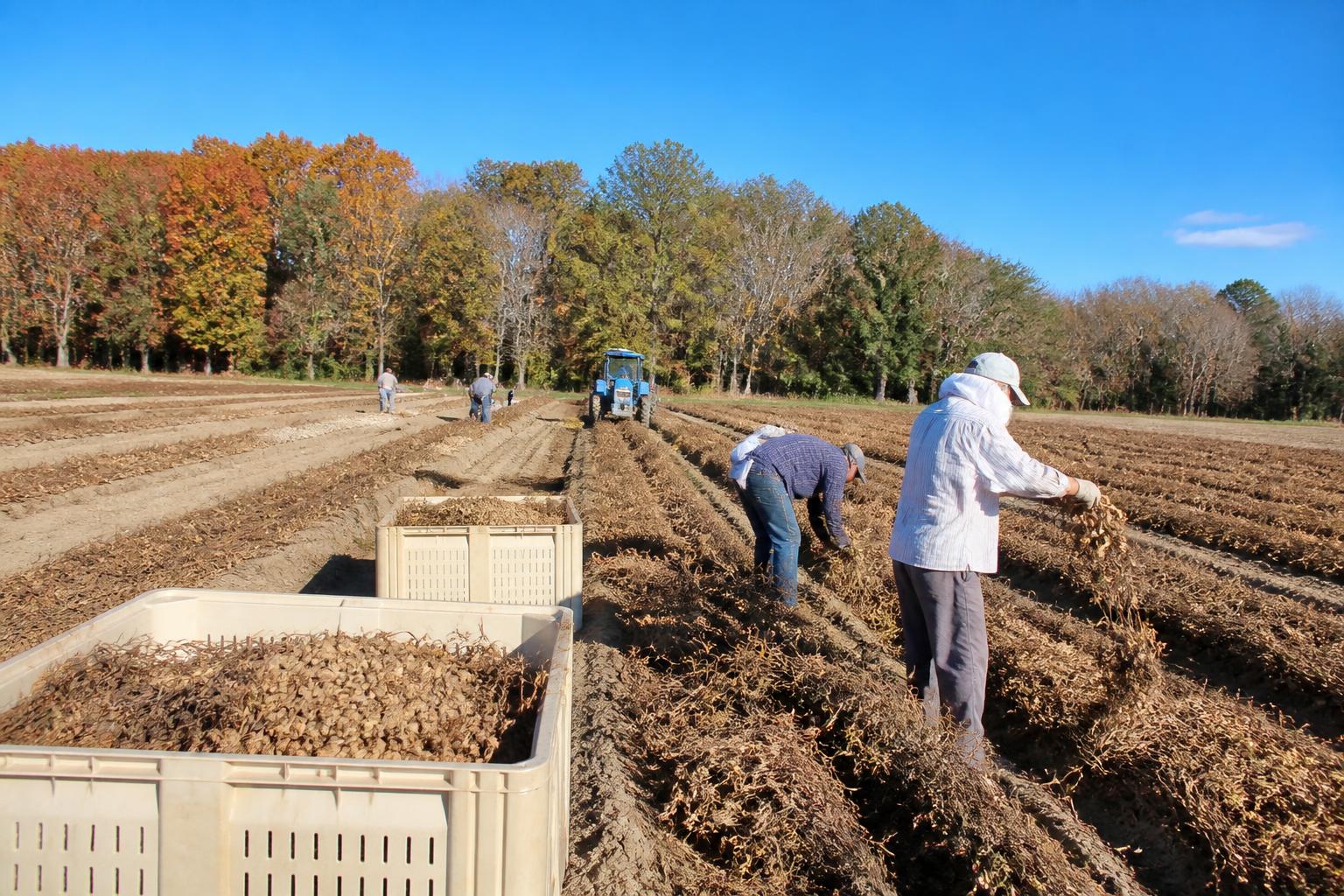
The arrival of September brings a focused intensity to South Carolina's rural corridors as producers transition into critical harvest windows. For many, the rhythm of the season is currently dictated by the intersection of crop maturity and the persistent need for efficient, timely transport. As ground-level activities pick up, logistics teams are balancing immediate moving needs against broader shifts in the state's storage landscape.
Recent infrastructure developments are drawing attention, particularly as new cold chain facilities break ground in the state. For regional agribusinesses, this investment may signal a long-term improvement in the ability to manage perishable flows and maintain product integrity before transit to port or processor. Integrating these facilities into local logistics plans is becoming a priority, as operators look for ways to mitigate the complexities of the middle-mile supply chain.
Navigating Seasonal Transportation Shifts
As navigating seasonal logistical hurdles remains a core challenge, growers and grain handlers are closely monitoring local road conditions and seasonal vehicle movement constraints. The interplay between field access and major highway corridors requires proactive planning to avoid delays that can quickly inflate operating costs. Ensuring that trucks are adequately staged to meet the demand of the peak harvest ensures that bottlenecks near smaller silos and localized distribution hubs are kept to a minimum.
Furthermore, producers are continuing to assess their logistical strategies in the face of yield potential and rising costs. With fuel volatility and equipment maintenance costs often impacting the bottom line, the efficiency of every load-out counts. Many are finding that a tighter focus on regional storage locations can help offset some of the current volatility in broader shipping markets.
What it means for the market
For the South Carolina agricultural sector, the current season represents a transition toward more specialized infrastructure. While immediate harvest logistics remain the primary focus, the ability to utilize new cold chain capacity and optimize short-haul transport routes will be a deciding factor in profitability. Maintaining flexibility in transport contracting and keeping a close eye on localized facility availability will likely serve as a competitive advantage through the remainder of the fall.
Comments
No comments yet - be the first to share your take.