
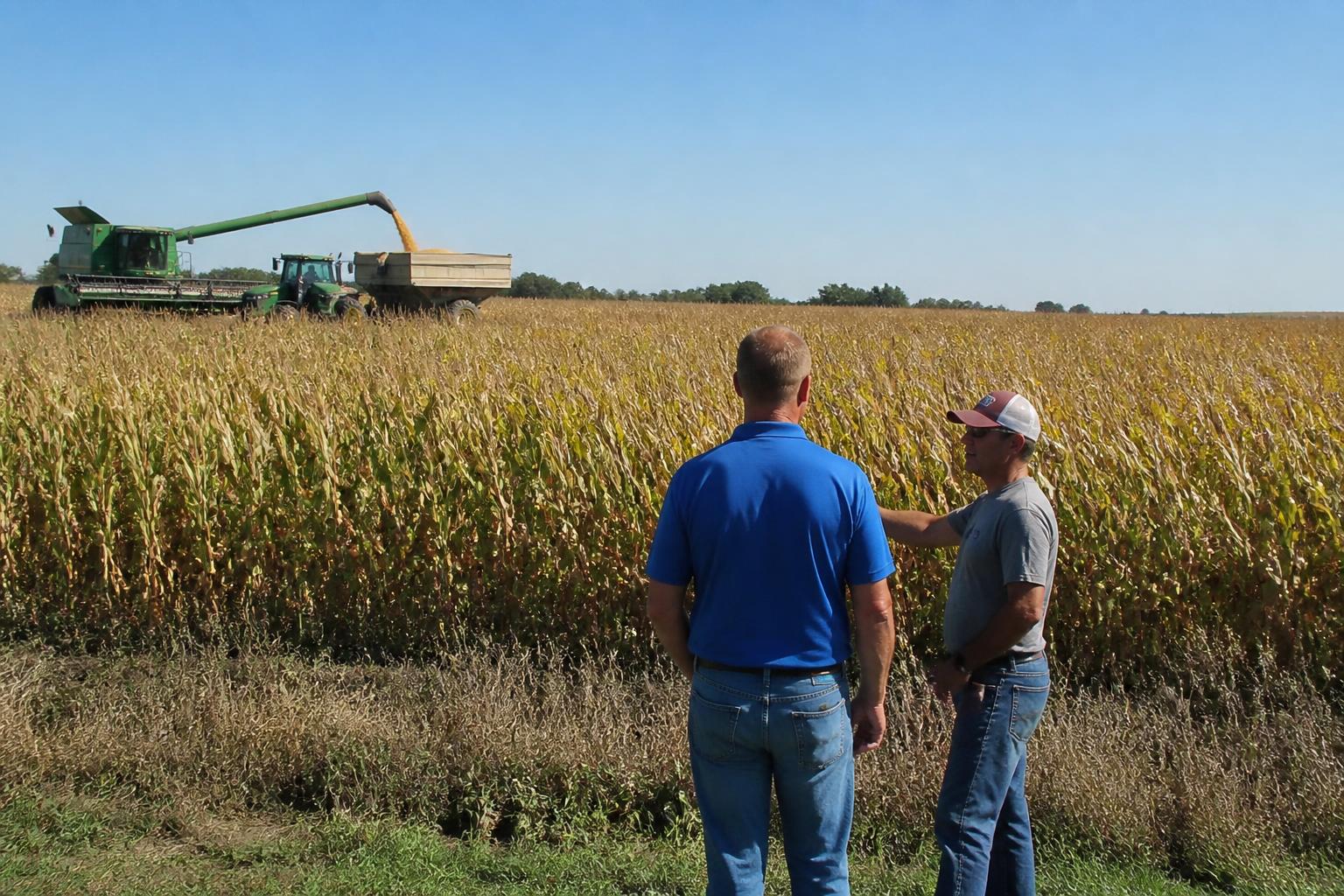
Iowa agriculture is currently navigating a complex period characterized by tightening margins and environmental uncertainty. With many producers across the state contending with the dual pressures of a deepening farm downturn and the long-term impacts of excessive moisture on field conditions, operational efficiency has become more critical than ever. For those managing grain marketing plans, the ability to adapt to shifting market signals—often during periods of volatile pricing and fluctuating income levels—remains a primary concern for local operations.
Input Costs and Resource Management
The cost of essential inputs, particularly fertilizer, continues to be a central theme in roundtable discussions and farm policy forums. As farmers weigh the economic impact of high input prices, many are reevaluating their nutrient management strategies to mitigate runoff and improve soil health. This focus on resource efficiency is not merely environmental; it is a tactical necessity to safeguard thin profit margins as the sector faces broad economic headwinds.
Infrastructure and Future Growth
Despite the broader economic cooling, investment in regional infrastructure persists, signaling a long-term commitment to the state's agricultural capacity. Recent expansions at major regional facilities, such as the significant project at the Monsanto plant in Iowa, reflect a continuous effort to streamline processing and support local logistics. These developments, alongside ongoing partnerships between cooperatives and regional suppliers, are essential for ensuring that producers have the necessary support systems to handle harvest-time logistics.
Strategic Adaptations
In this environment, producers are increasingly turning to educational and networking opportunities, such as upcoming agricultural conferences, to share insights on managing farm business health. Whether diversifying into emerging specialty crops like organic flax or refining standard corn and soybean production, the focus remains on building resilience. For grain handlers and carriers, the upcoming harvest season will likely require a careful balancing of capacity and timing as field conditions remain highly variable across the state.
What it means for the market
For Iowa agribusinesses and producers, the current climate demands a proactive approach to risk management. Market participants should prioritize liquidity and monitor logistics bottlenecks closely as the fall harvest progresses. Strengthening partnerships between cooperatives and regional providers will be vital for maintaining efficient grain flow, while careful attention to input optimization may provide the necessary buffer against ongoing income volatility.
Comments
No comments yet - be the first to share your take.