
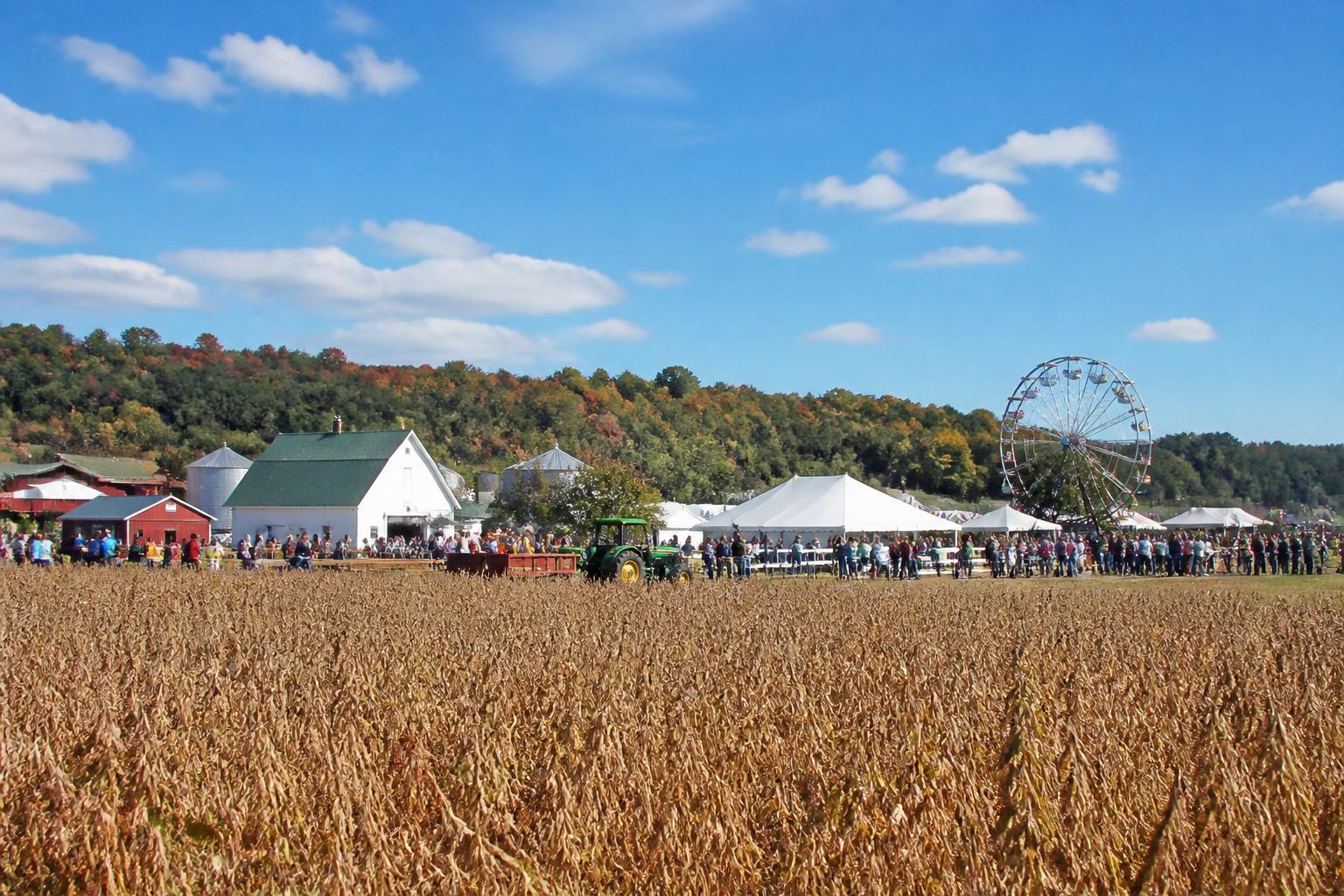
As mid-September operations accelerate across Indiana, the agricultural sector faces a unique convergence of infrastructure development and market complexity. With harvest activities ramping up from the river bottoms to the northern plains, the efficient movement of commodities remains the primary focus for grain elevators and regional logistics hubs. Farmers and shippers are currently navigating a landscape defined by both long-term state investments and lingering global economic ripples that influence input costs and commodity demand.
For those managing the flow of grain, staying informed about early fall logistics and field-specific variability is critical. Recent state-level commitments to bolster life sciences and agriculture industries suggest a long-term focus on strengthening the state's processing capacity, which may provide more reliable end-markets for Indiana producers over the coming decade. However, immediate logistics remain subject to the seasonal pressures of peak transport demand and potential bottlenecks in localized storage and transit corridors.
Adapting to Market Volatility and Input Costs
The broader economic environment continues to impact farm-gate economics. Analysts have noted that agricultural commodity markets often experience lagged responses to international geopolitical tensions, leading to a sticky price environment for consumer goods and essential inputs. Producers are encouraged to evaluate their current storage strategies and logistical workflows while considering the potential shifts in input demand that typically influence operational planning as the calendar turns toward winter.
Building Resilience in the Supply Chain
While infrastructure expansions and logistical firm investments across the U.S. aim to improve capacity, local conditions in Indiana remain the most immediate factor for daily decision-making. Whether managing transport to regional river ports or local rail-loading facilities, clear communication between producers and freight partners is essential to mitigate delays. Understanding the nuances of current harvest volatility can help stakeholders better position themselves as they move crops from the field to bin or market.
What it means for the market: For Indiana agribusinesses, the current environment demands a blend of long-term planning and tactical agility. While the state's investment in industrial growth provides a stable foundation, current logistics require close monitoring of local crop quality and transport availability to capitalize on shifting price windows throughout the remainder of the fall.
Comments
No comments yet - be the first to share your take.