
Market Headwinds in Input Costs
For California producers, the current season continues to present a complex financial landscape. Despite fluctuating demand, fertilizer prices remain stubbornly high, forcing many agribusinesses to reevaluate their nutrient management strategies. This environment requires careful budgeting, as margins in high-value specialty crops can be squeezed quickly by elevated input overheads.
Operational and Regulatory Compliance
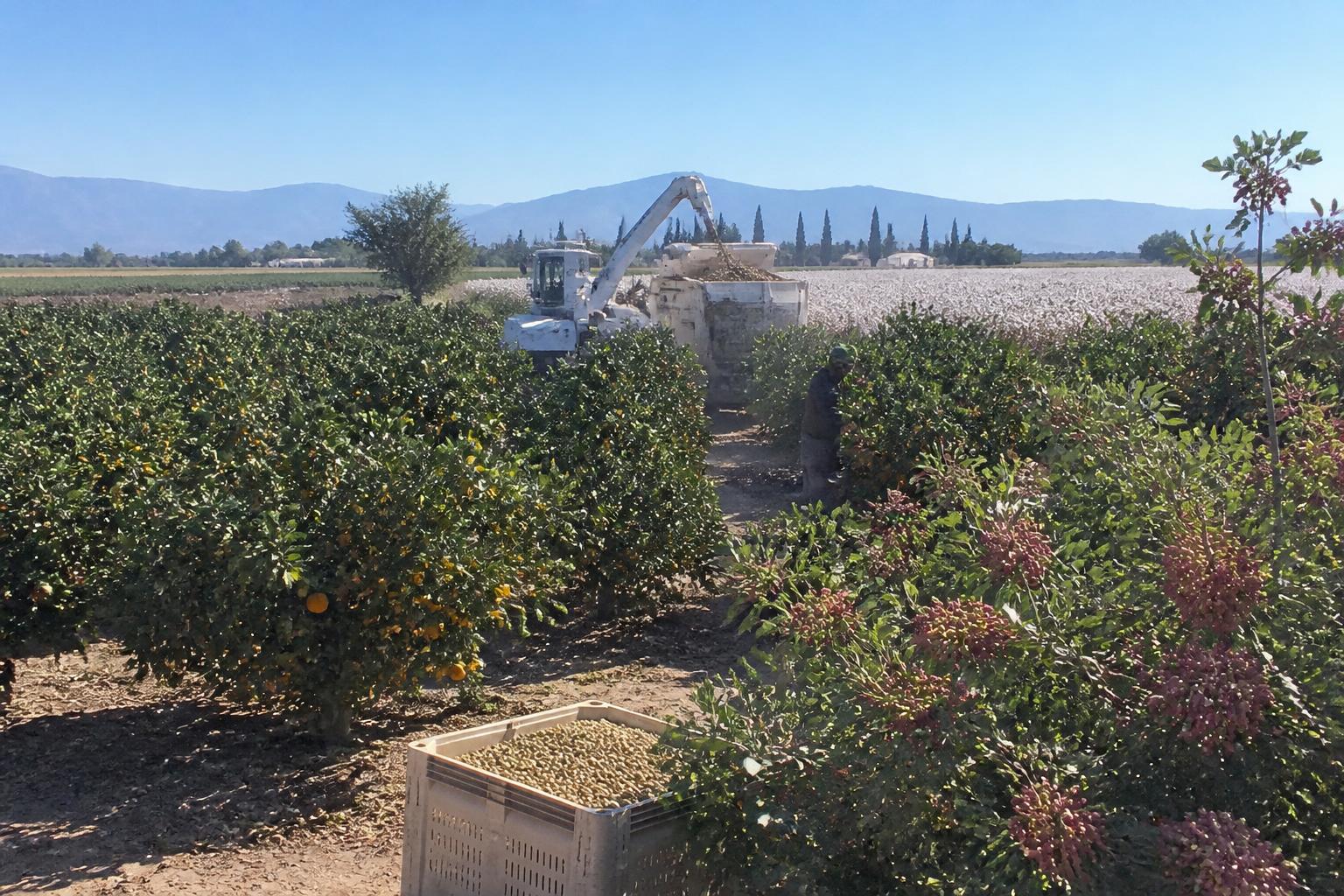
Efficiency remains the primary goal as growers shift into full harvest operations across regions like the Central Valley. Operational costs are also being influenced by recent regulatory updates, including new lighting requirements for nighttime field activities. These mandates, while aimed at safety, necessitate adjustments to harvest schedules and equipment management for operations working under tight seasonal windows. Furthermore, firms are increasingly turning to digital resources and training modules to navigate ongoing labor shortages and streamline worker productivity.
Strategic Shifts in Crop Management
Diversity in the portfolio is a recurring theme this season, with some regions observing shifts in regional interest, such as the renewed activity in cotton production in Tulare County. Meanwhile, expectations for a steady pistachio crop offer some stability for tree nut growers. As producers manage these diverse yields, the broader California harvest landscape demands a proactive approach to both logistics and cost containment to ensure the season reaches a profitable conclusion.
What it means for the market
The convergence of high input prices and regulatory compliance indicates that success this harvest will favor operations that prioritize resource efficiency and adaptive labor management. With the fall season in full swing, monitoring local utility costs and supply chain fluctuations will remain essential for protecting net margins throughout the post-harvest period.
Comments
No comments yet - be the first to share your take.