
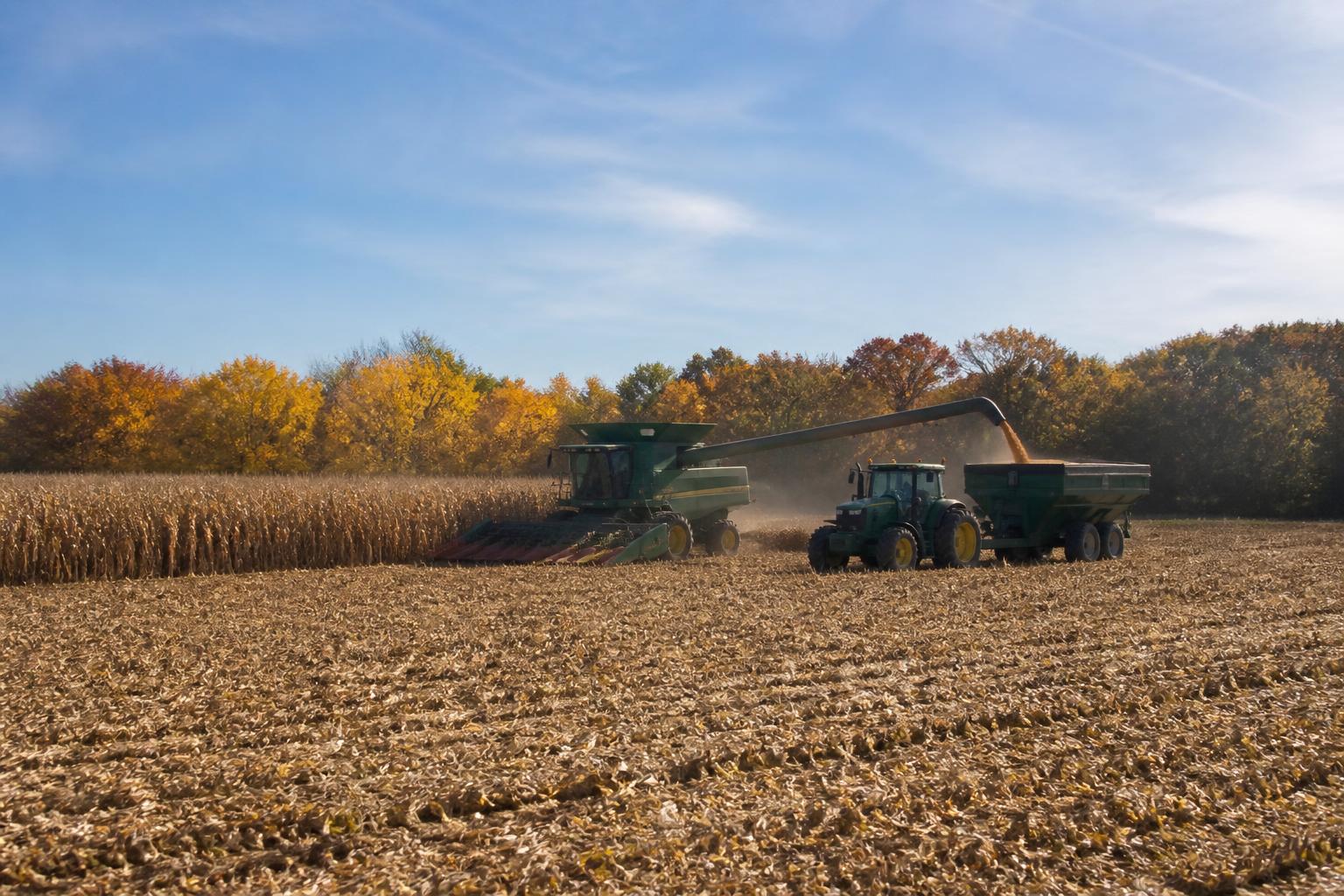
As harvest operations ramp up across North Dakota, producers are shifting focus from summer field management to the complex intersection of logistics and input security. With the season's work well underway, the agricultural community in regions from the Red River Valley to the western plains is balancing the immediate pressures of the bin with long-term strategic decisions regarding crop protection and supply chain resilience.
For many local operations, the current climate has underscored the necessity of robust, adaptable protection strategies. Growers are increasingly looking at long-term soil health and efficiency, often weighing the benefits of no-till systems against emerging environmental challenges such as PFAS management. These issues, while varied in nature, are collectively shaping how farmers plan for the next planting cycle.
Evaluating Input and Market Resilience
Market volatility remains a constant theme, with producers closely monitoring global fertilizer supply chains and regional commodity demand. As growers navigate volatile input costs, the emphasis on precise, cost-effective crop protection has become more pronounced. Recent reports suggest that producers are increasingly selective with new product applications, prioritizing efficacy as they manage potential pest pressures in sunflowers and other specialty crops common to the northern tier.
Logistics and Regional Coordination
Beyond the field, infrastructure continues to play a pivotal role in the state's economic health. As harvest activity peaks, coordination between local elevators and transportation networks is essential. This is particularly important for operations looking to manage their grain sales in the face of shifting drought conditions or local transport bottlenecks. Staying informed on North Dakota infrastructure and logistics updates remains a top priority for agribusinesses seeking to minimize downtime during the busy September window.
What it means for the market
The convergence of input management and logistics efficiency signals a tighter margin environment for the remainder of the year. For North Dakota producers, the ability to pivot between maintaining high-yield protection protocols and managing capital-intensive logistics will likely be the deciding factor in maintaining profitability through the end of the 2026 harvest season.
Comments
No comments yet - be the first to share your take.