
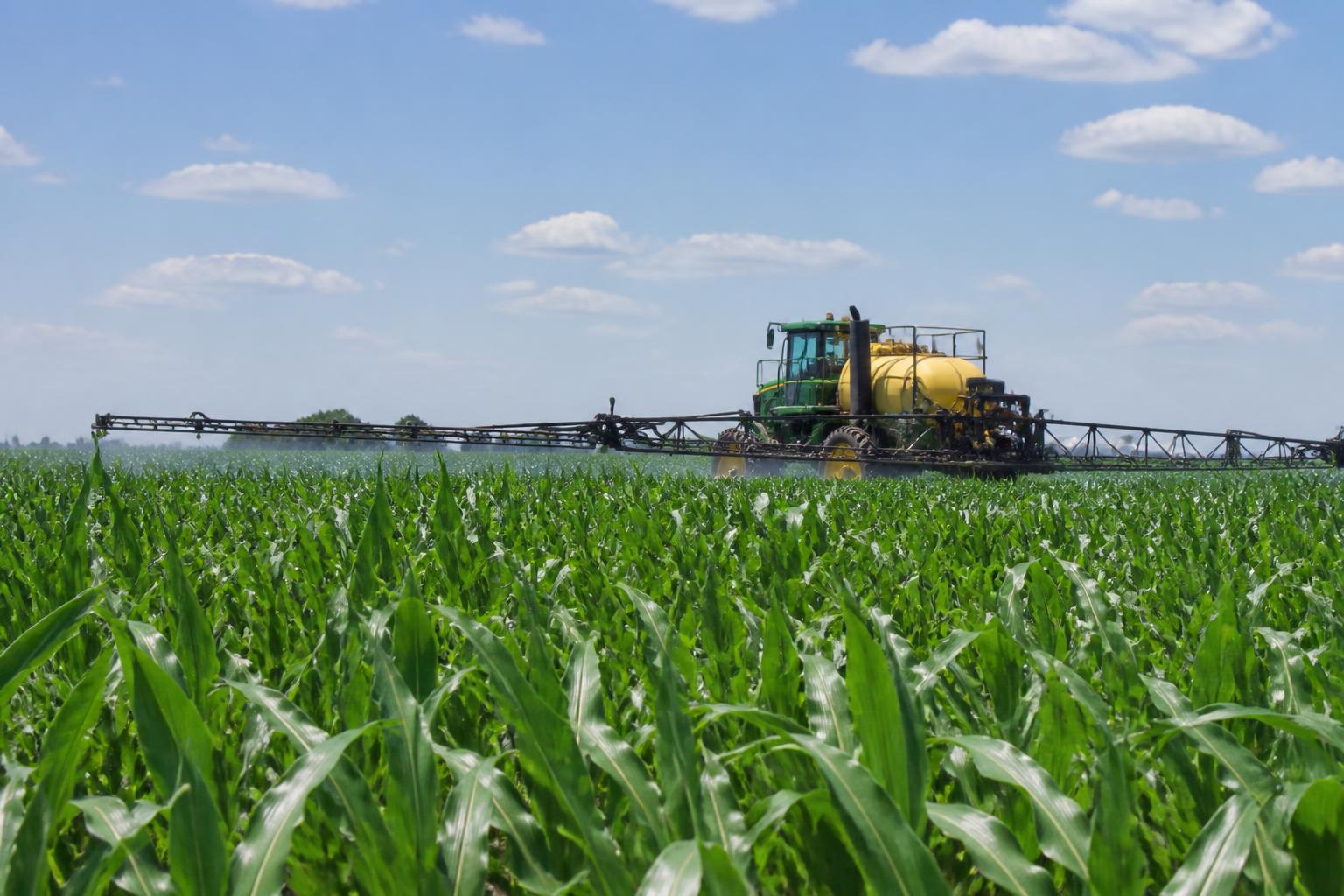
As Illinois farmers navigate the critical mid-summer growing window, crop protection and input logistics are taking center stage. From tight regulatory deadlines to safety protocols for hazardous chemicals, growers from the southern Wabash Valley to the fertile northern counties along the Interstate-80 corridor are balancing field operations with strict compliance requirements.
With changing weather patterns and market volatility putting pressure on margins, protecting yield potential while maintaining environmental and logistical safety remains a top priority. In particular, this season requires precise timing for herbicide applications and renewed attention to fertilizer transportation safety across the state's vast highway network.
Dicamba Cutoff and Mid-Summer Weed Control
For soybean growers across Illinois, the clock is ticking toward the critical June 30 dicamba application cutoff date. This regulatory deadline is a firm boundary designed to prevent off-target drift during the warmer summer weeks when volatility risks increase. Farmers are actively scouting fields and coordinating with custom applicators to ensure that necessary applications of this key crop protection tool are completed before the end of the month.
The cutoff forces agribusinesses to pivot quickly to alternative weed control strategies for the remainder of the summer. Managing late-emerging waterhemp and giant ragweed requires careful planning, especially when integrating federal conservation initiatives and local protection guidelines. To stay ahead of these operational shifts, many growers are reviewing Illinois summer risk management strategies to safeguard their acreage while remaining fully compliant.
Ammonia Logistics and Transportation Safety
While crop protection chemicals control weeds, sustaining soil health and crop nutrition is equally vital. However, handling and transporting agricultural inputs like anhydrous ammonia demands high vigilance. Past industrial accidents, such as the severe hazmat spill in Beach Park, Illinois, serve as critical reminders of the dangers associated with ammonia transport. Both retailers and farmers must comply with strict safety protocols, ensuring valves, tanks, and towing couplers are thoroughly inspected before hitches hit the road.
Logistical safety is not the only challenge surrounding fertilizers. Recent studies on Illinois agricultural retailers show shifting dynamics in retail margins for anhydrous ammonia. Understanding these margin trends helps grain producers and input buyers anticipate shifting retail pricing structures, especially as they look ahead to fall applications along major rural freight routes.
Reviving Protection Through Cover Crops
Long-term protection of Illinois soils is also receiving a substantial financial boost. The state has revived its cover crop program, supported by a $7 million USDA grant. This funding aims to expand the use of cover crops, which protect vulnerable topsoil from erosion, improve water infiltration, and reduce nutrient runoff into local watersheds like the Illinois River system.
Integrating cover crops into traditional corn and soybean rotations helps build organic matter and suppress weeds naturally, reducing reliance on synthetic inputs over time. This renewed funding offers a practical financial incentive for operators aiming to protect their land and optimize input costs during challenging economic cycles.
Key Takeaways for Illinois Operators
- Dicamba Deadline: June 30 remains the hard cutoff for dicamba applications in Illinois, requiring swift coordination for late-season weed management.
- Ammonia Safety: Rigorous transport safety and equipment checks are essential to prevent hazardous spills during fertilizer transit.
- Cover Crop Funding: A $7 million USDA grant is reviving state cover crop programs to enhance soil protection and curb runoff.
What it means for the market
For the Illinois agricultural market, these protection and safety dynamics underscore the thin margin of error for summer operations. As regulatory deadlines approach and fertilizer logistics demand careful handling, operational efficiency will dictate seasonal profitability. For buyers and sellers on the AgroPost marketplace, keeping a close eye on retail input margins, local safety compliance, and conservation funding opportunities will be key to navigating the summer months successfully.
Comments
No comments yet - be the first to share your take.