
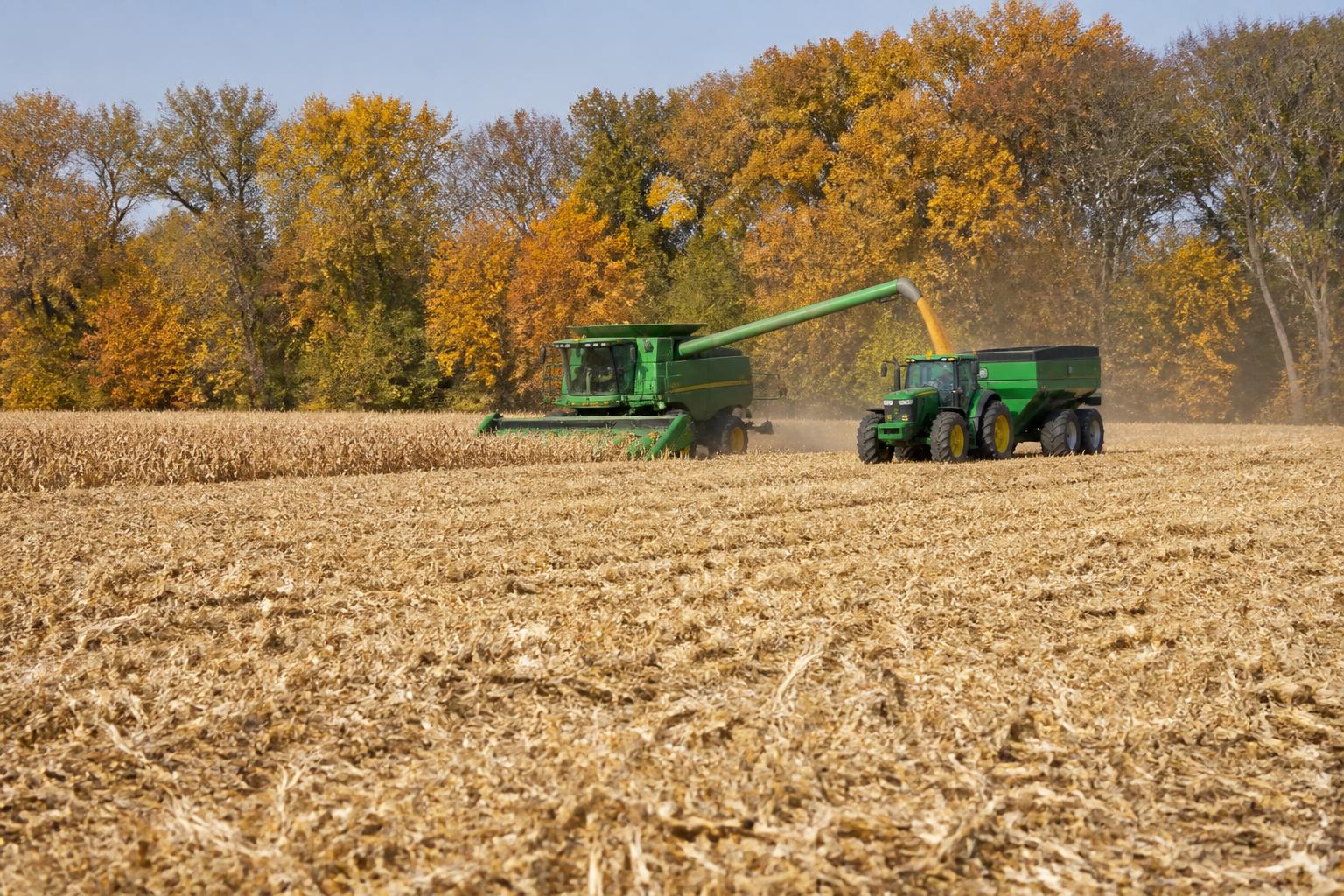
As the fall harvest season accelerates across North Dakota, the state's agricultural community finds itself balancing localized production gains with a complex web of regulatory and logistical shifts. From the Red River Valley to the western plains, producers are navigating a period of transition where regional policy updates are increasingly defining day-to-day operations.
A notable development in the state is the introduction of new pesticide protection laws, which represent a significant shift in how regional oversight is managed. These legislative steps are setting a precedent that may influence farm management practices well beyond North Dakota's borders, encouraging growers to prioritize compliance alongside yield protection as they wrap up the season.
Global Reach and Infrastructure Support
Despite the challenges posed by policy changes, North Dakota remains a key player on the international stage. Recent efforts, such as the successful representation of regional cooperatives at international trade forums like Gulfood, have opened new doors for local commodities in global markets. This push for market expansion is supported by ongoing investments in state infrastructure and logistics, which remain vital for moving grain and livestock efficiently through rural corridors.
For those managing livestock, the focus remains on resource allocation and transport reliability. The expansion of state-level drought assistance programs has provided a necessary cushion for many producers, helping to mitigate the financial strain caused by volatile weather and rising input costs. Furthermore, ongoing discussions at the federal level regarding reforms for livestock haulers are being closely watched, as they may soon impact the cost and availability of critical shipping services in the region.
Digital and Field-Level Resilience
Technology continues to play an essential role in long-term farm stability. The state's ongoing leadership in agricultural technology, bolstered by new research networks, is providing farmers with more sophisticated tools to optimize field management. Whether through advancements in precision soil management or logistics-based data tracking, the integration of these systems is helping many operators manage the inherent risks of modern production. As harvest progresses, producers are encouraged to keep a close eye on both shifting federal requirements and local resource accessibility to maintain their competitive edge.
What it means for the market
For growers and agribusinesses, the current environment demands a dual focus: maintaining high standards for chemical application and logistics compliance while aggressively pursuing new trade outlets. With infrastructure and regulatory landscapes in flux, the most resilient operations will be those that integrate long-term tech-driven efficiencies with proactive participation in the emerging policy discussions shaping Northern Plains agriculture.
Comments
No comments yet - be the first to share your take.