
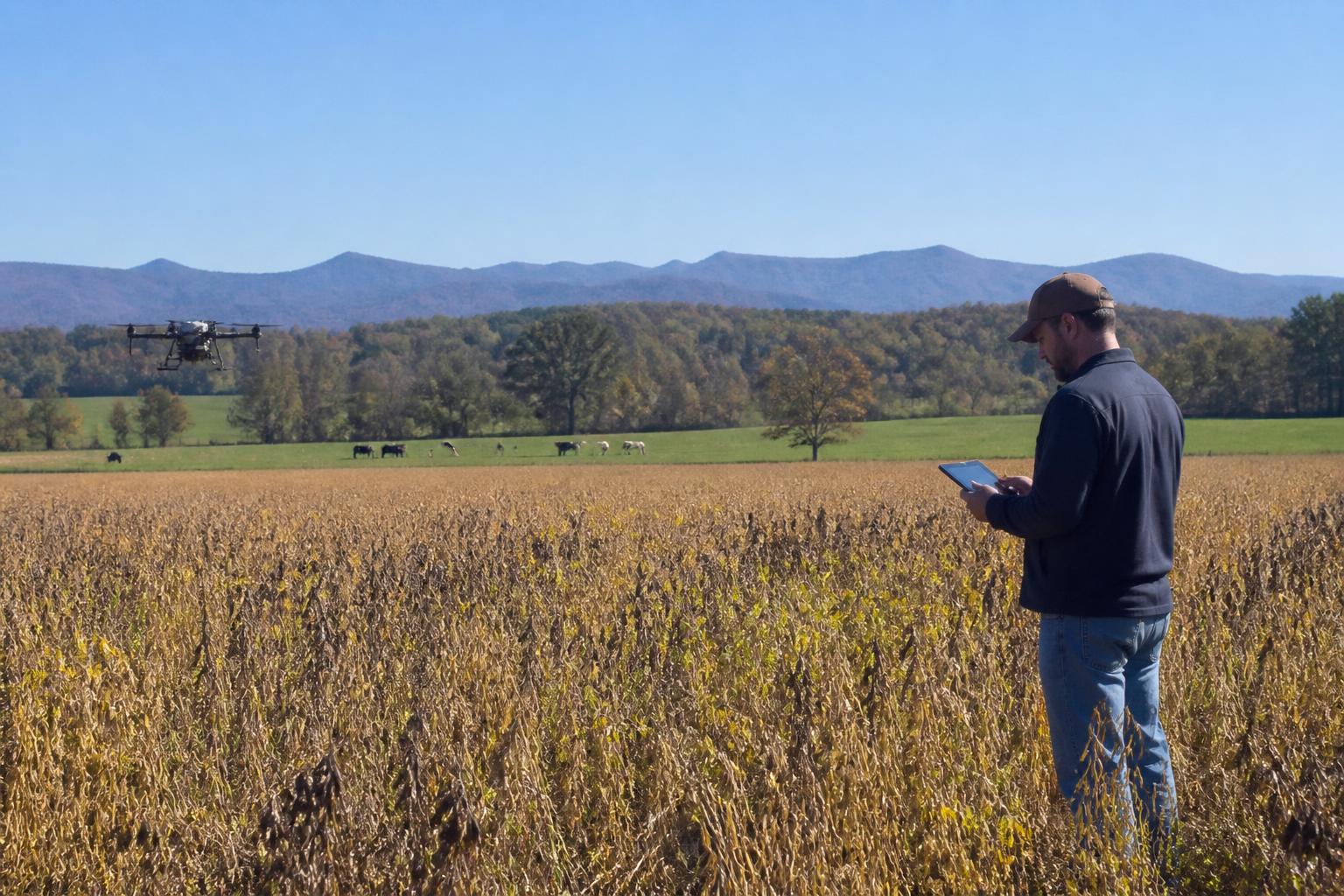
With the fall harvest season rapidly accelerating across Tennessee, farmers are turning their focus toward finishing strong while contending with late-season agronomic challenges. The recent growing cycle, characterized by cooler temperatures in many areas, has introduced specific pressures, most notably the emergence of soybean Sudden Death Syndrome (SDS) in several fields. Producers are advised to scout remaining acreage closely, as moisture levels and soil temperatures can influence the progression of these fungal pathogens during the final weeks before senescence.
Managing Field Inputs and Infrastructure
Beyond disease management, the emphasis on efficient input logistics and equipment readiness continues to define the current operational rhythm. For those utilizing chemical applications, the state has opened the renewal window for commercial pesticide applicator certifications. Ensuring that operators are up to date with the latest compliance standards is essential for maintaining seamless spraying schedules, whether for late-season weed suppression or preparing for winter cover crop establishment.
As operations scale up, maintaining robust asset security and infrastructure, from grain storage facilities to equipment yards, remains a high priority. In protecting agricultural assets, growers often find that proactive monitoring and clear communication with logistics partners during peak transport periods can mitigate potential bottlenecks on rural access roads and at regional elevators.
What it means for the market
The convergence of variable yield potential and the need for stringent compliance measures suggests that operators who prioritize both field health and logistical foresight will be best positioned for the remainder of the season. By addressing disease outbreaks early and ensuring all licensing and certifications are current, Tennessee agribusinesses can help minimize downtime during the critical high-traffic weeks of harvest, keeping localized supply chains moving effectively as crops move from field to storage and toward regional markets.
Comments
No comments yet - be the first to share your take.