
Delta growers face a complex balancing act during the sweltering summer months. Managing pests and weeds in primary row crops like cotton and soybeans requires timely chemical applications, yet regional logistics and volatile weather patterns frequently disrupt agricultural input delivery. As growers navigate these pressures, the twin priorities of securing local crop protection supplies and maintaining environmental stewardship have taken center stage across Mississippi.
To mitigate seasonal supply-chain bottlenecks and reduce dependence on long-distance freight, Mississippi agricultural businesses are increasingly looking toward regional manufacturing and local conservation programs. By combining localized input production with soil health initiatives, the state's agricultural sector is working to build a more resilient production model.
Localizing Crop Protection Supply with Regional Manufacturing
Securing timely access to chemical inputs is a perennial challenge for growers in the Deep South. The opening of Nufarm's crop protection manufacturing facility in Mississippi represents a major step toward strengthening regional supply chains. Localized manufacturing helps insulate Mississippi farmers from national transport bottlenecks, ensuring that essential herbicides, fungicides, and pesticides are positioned closer to the fields where they are needed most.
In many parts of the state, having a nearby production hub helps agribusinesses and retail co-ops maintain reliable inventory levels during peak summer application windows. This proximity is particularly valuable when sudden pest outbreaks or rapid weed growth demand immediate treatment, preventing the costly yield losses associated with delivery delays.
Soil Health and Water Quality Stewardship
While chemical inputs remain a cornerstone of modern pest management, Mississippi agricultural experts are emphasizing the role of conservation in long-term field protection. The Mississippi State University Extension Service has actively promoted the adoption of cover crops to protect soil assets. Integrating cover crops into traditional crop rotations helps suppress weed growth, improve water retention, and minimize nutrient runoff into local watersheds.
These practices tie directly into broader efforts to protect water quality throughout the Mississippi River basin. Because agricultural runoff can influence water systems far downstream, regional initiatives focus on optimizing fertilizer and chemical application techniques. However, conservation is only one piece of the puzzle. As growers manage on-farm runoff, they must also watch the wider logistical landscape, where low Mississippi River levels can threaten grain movement and drive up barge freight costs.
Managing these environmental and supply-chain variables requires a coordinated approach. Understanding regional watershed dynamics is essential, especially when farmers are forced to navigate seasonal Mississippi ag transport and infrastructure challenges that complicate both input arrivals and harvest logistics.
Protecting Diversified Acreage and Specialty Crops
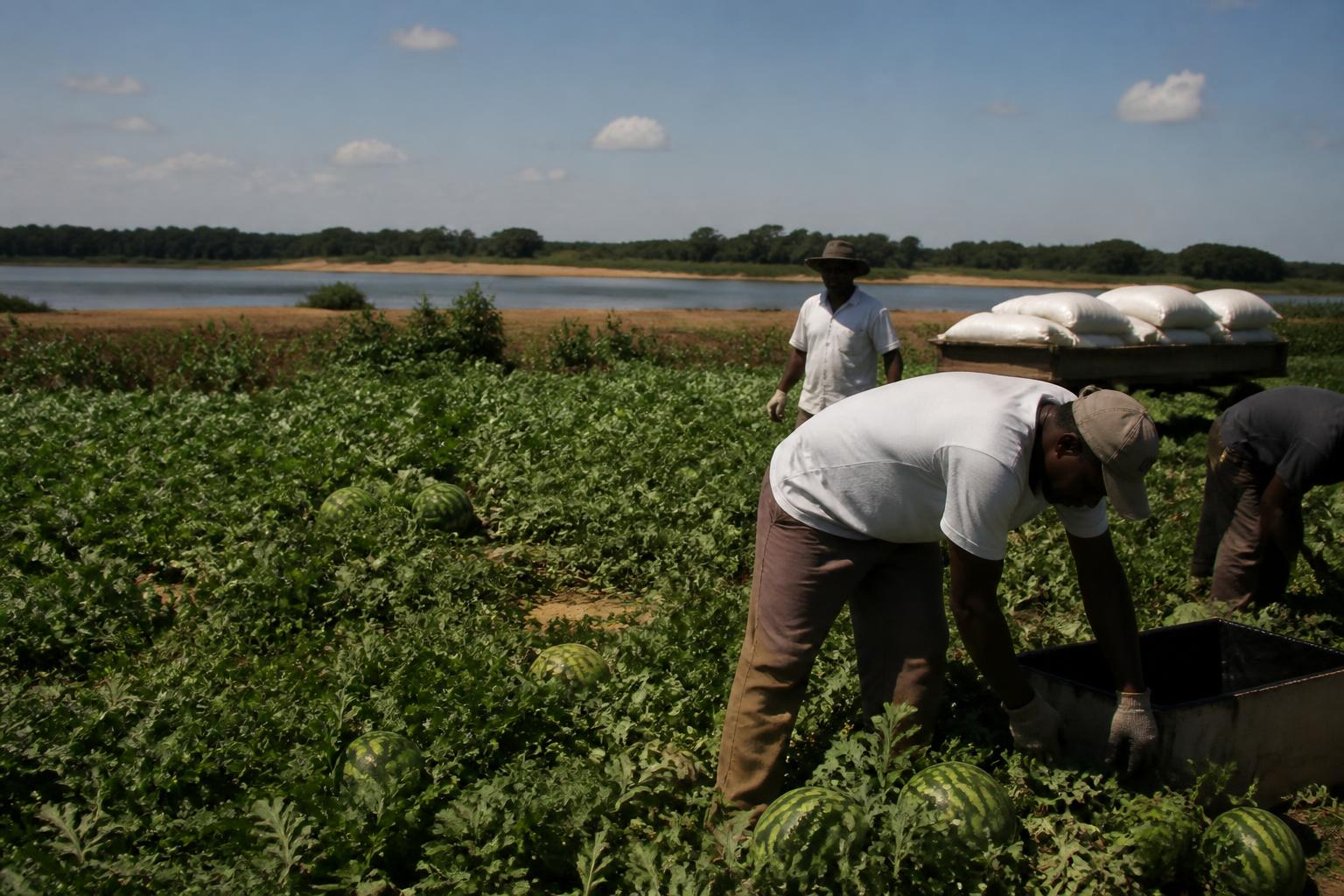
Beyond the vast cotton and soybean fields of the Delta, Mississippi's agricultural diversity requires specialized protection strategies. While row crops command the majority of input volume, specialty crops like watermelons and Mississippi's struggling catfish industry require unique management and protection protocols. Specialty crop block grants allocated to the state are helping research-intensive protection methods reach smaller, diversified farms.
Whether managing extreme summer heat and drought on dryland acreage or ensuring water quality in commercial aquaculture ponds, Mississippi producers rely heavily on regional research and extension guidance to tailor their chemical and biological protection programs. This balanced approach protects high-value specialty crops alongside the state's primary economic drivers.
Key Takeaways for Mississippi Producers
- Regional Chemical Supply: Localized manufacturing, such as the Nufarm facility, provides Delta retail suppliers with a more dependable inventory of crop protection products during peak summer demand.
- Conservation Synergies: Incorporating cover crops helps suppress weeds and improve soil moisture retention, reducing overall reliance on intensive chemical applications.
- Water Quality Commitments: Implementing targeted application techniques supports ongoing efforts to protect Mississippi River water quality while maintaining crop safety.
- Logistical Awareness: Monitoring river levels and transit corridors remains vital, as transport bottlenecks directly impact input delivery costs and grain export marketing.
What it means for the market
For Mississippi's agricultural market, the convergence of local input manufacturing and proactive conservation stewardship creates a more stable operating environment. By reducing exposure to national freight disruptions and investing in soil health, growers can better protect their margins against fluctuating commodity prices and high input costs. Input buyers and distributors who align their summer procurement with localized regional supply chains will be best positioned to navigate seasonal logistics challenges and keep Delta fields productive.
Comments
No comments yet — be the first to share your take.